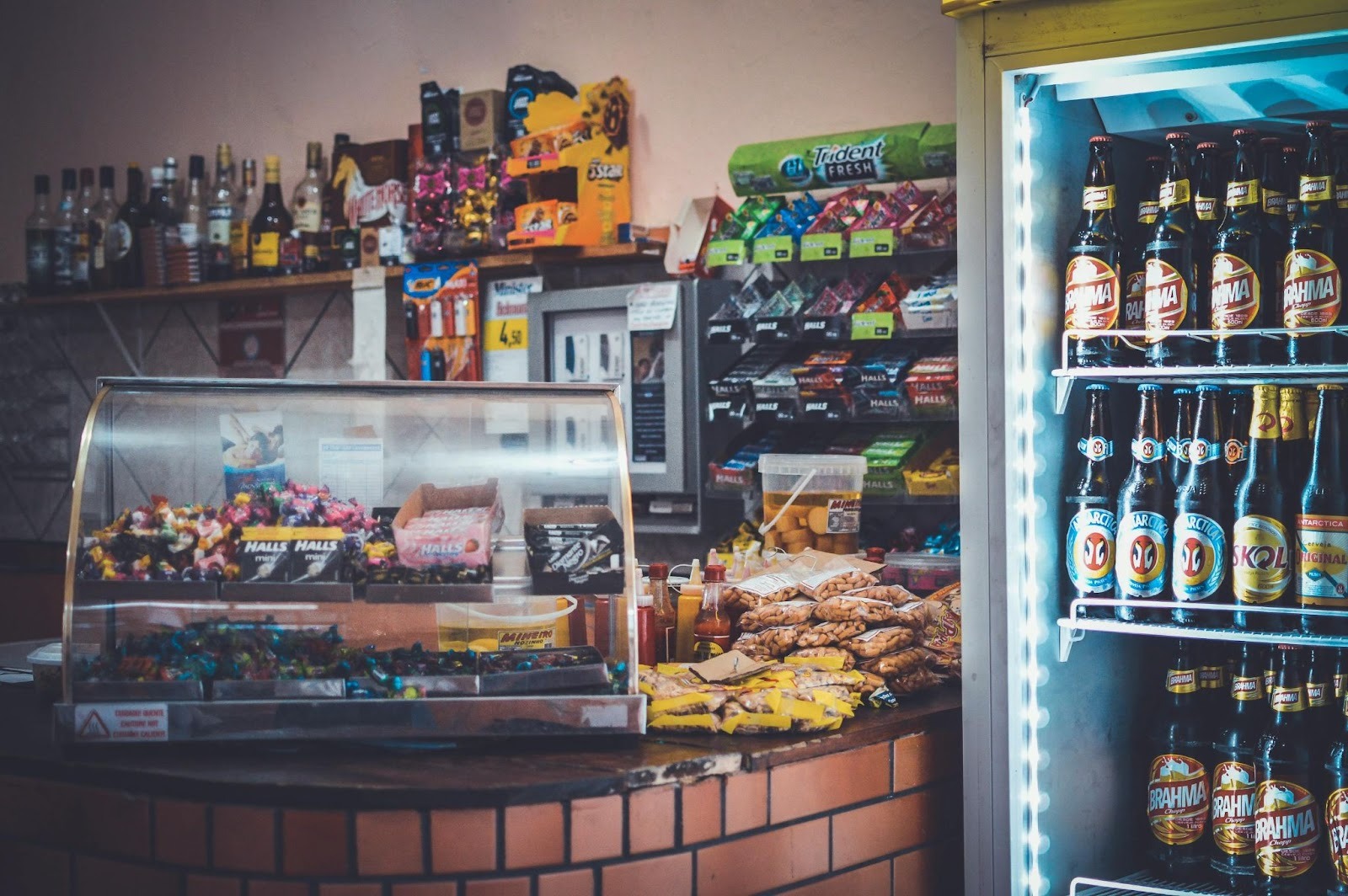
The food and beverage sector is vast; there’s no denying that. And for a business set up or wanting to expand in this area of business, you can guarantee it’s not without its issues, despite its profitability.
Whether you’re running a craft beer company, you sell baked goods only, or you are centering yourself in the fast food sector and have a food truck. There are and always will be operational mistakes that will catch you out and ensure that the road forward and the path to success isn’t as smooth as you want it to be.
With this in mind, let’s take a look at some of the risks that can catch you out, because forewarned is forearmed, and once you know about them, you can protect against them.
CO2 Supply Interruptions
A niche but important one. If you’re running any operation that involves the supply of carbonated beverages, this can humble you fast. If you run out of CO2 during business hours, you can instantly struggle, being unable to sell these beverages from your supply list for the shift or until you secure a new delivery.
But the thing here is it’s not just shortage scenarios or failure to order. It’s miscalculation in usage, delivery delays, or unreliable suppliers that can pose problems. And the last thing you want is staff wasting time trying to rectify problems outside of their control.
Mitigation here starts with forecasting accuracy and supplier reliability. You need backup cylinders, and you need a supplier who can meet your required volume of orders regularly, not whenever it works for them. Finding dependable CO2 supply providers means you can reduce the risk of mid-service disruption and protect this valuable revenue stream.
Refrigeration Failures
Cold storage breakdowns are one of the most financially damaging risks in the food and beverage sector. This is your walk-in coolers, freezers, prep fridges, and display cabinets. These units are frequent and play an important role for all foodstuffs that need to be kept at a consistent chilled temperature. The result is more than just repair or replacement charges. It’s a loss of food, waste, potential health risks, and loss of customers, too.
The fix here is to know the signs of degradation before they pop up “out of the blue.” It’s regular servicing to check the internal components you can’t see to ensure continuous operations. It’s checking door seals, cleaning coils where possible, and ensuring nothing is impacting the unit’s ability to function. It’s also getting repairs carried out at the first indicator something is amiss, be it a strange noise, a change in efficiency, condensation buildup, or extended run cycles. All should be noted, logged, and acted upon immediately.
Equipment Downtime
The timing of downtime amplifies the damage and operational pain. Equipment failure at any time is a huge problem. However, failure during high trading periods is even more disastrous. And if equipment such as fryers, ovens, POS systems, or dishwashers, for example, go down, you’ve got a serious and urgent workflow problem.
From here, staff suffer, customers suffer, the bottom line takes a hit, and suddenly your well-oiled operation is interrupted in the most violent way, even if it’s just for a short period.
The trick here is to have regular checks, routine servicing, and maintenance. It’s identifying critical equipment dependencies and having contingency plans in place should the worst materialize. Because the sooner you know these pain points, the earlier you can put plans in place, and when things stop working, the faster you get back up and running, the better.
Delivery and Logistics Delays
Food and beverage operations rely heavily on predictable logistics. You need fresh ingredients, beverages, consumables, cleaning equipment, etc., and when shipments arrive late or not at all, this impacts menu availability, prep schedules, and your service flow disintegrates fast.
But there are multiple things that can impact your delivery and logistics, and many are not even controllable for the most part. It’s things like routing inefficiencies, weather events, warehouse bottlenecks, and fleet shortages. And when this becomes an even bigger problem is when you rely on one sole provider for all or the bulk of your deliveries.
You need to maintain secondary vendor relationships so that you have a buffer for events like this. Having a relationship in place when you need backup fast means you can reduce the disruption and the pain of finding new suppliers.
It’s essentially covering your bases. You have your primary provider, but one or two other providers who overlap, you use on a regular basis to hold over the relationships so they can come through for you if you need them to.
Staffing Gaps
Alongside retail, the food and beverage sector has one of the highest turnover rates of all industries. That is something all owners and managers should expect as standard. And labor instability is a huge problem across all companies, even the most established ones like McDonald’s and PepsiCo, et al., not just smaller outfits.
Unexpected business hiring complications and shortages in applicants for vacancies all impact your operations. Whether front or back of house, there’s no getting around it.
There are a few different approaches you can take here to help you limit the impact of staffing gaps. You can cross-train staff so that if illness or vacancies do arise, you have members of the team who can easily cover other activities, so you’re not short there. You can also look at your employee culture and your management teams to ensure that these factors are not making it difficult to retain and recruit new employees. Building flexibility into the schedule where possible will also take the hit from any staffing gaps, too.
As you can see, there are multiple operational risks your food and beverage companies can experience on a daily basis. This list isn’t exhaustive, but it’s a few practical problems that you might run into more frequently than others, and protecting the company against these will help you keep moving forward and not repeat the same mistakes over and over.
Leave a Reply