Construction projects are big, complicated jobs with a lot of money and effort on the line. Handling the risks involved isn’t just about avoiding disaster; it’s about making sure you stay profitable, hit your deadlines, and keep your good name. Taking a proactive approach to risk can be the difference between a project that succeeds and one that costs you a lot. This article will walk you through key strategies for spotting and managing risks in your construction work.
Identifying Common Project Pitfalls
Every construction project hits snags, but you can see many of the most common problems coming. These often include budget blowouts, schedule delays, safety incidents, and quality control issues. The trick is to do more than just acknowledge these possibilities; you need to actively work on early detection and mitigation. For example, a small delay in getting materials might seem minor, but it can set off a chain reaction that pushes back many later project phases.
Likewise, an unclear design can lead to expensive rework down the line. A thorough risk assessment at the start helps you sort and prioritize potential problems, so you can focus your attention where it matters most. You can find a detailed list of common construction company risks and their solutions to help build your initial assessment framework.
The Impact of Site Preparation on Outcomes
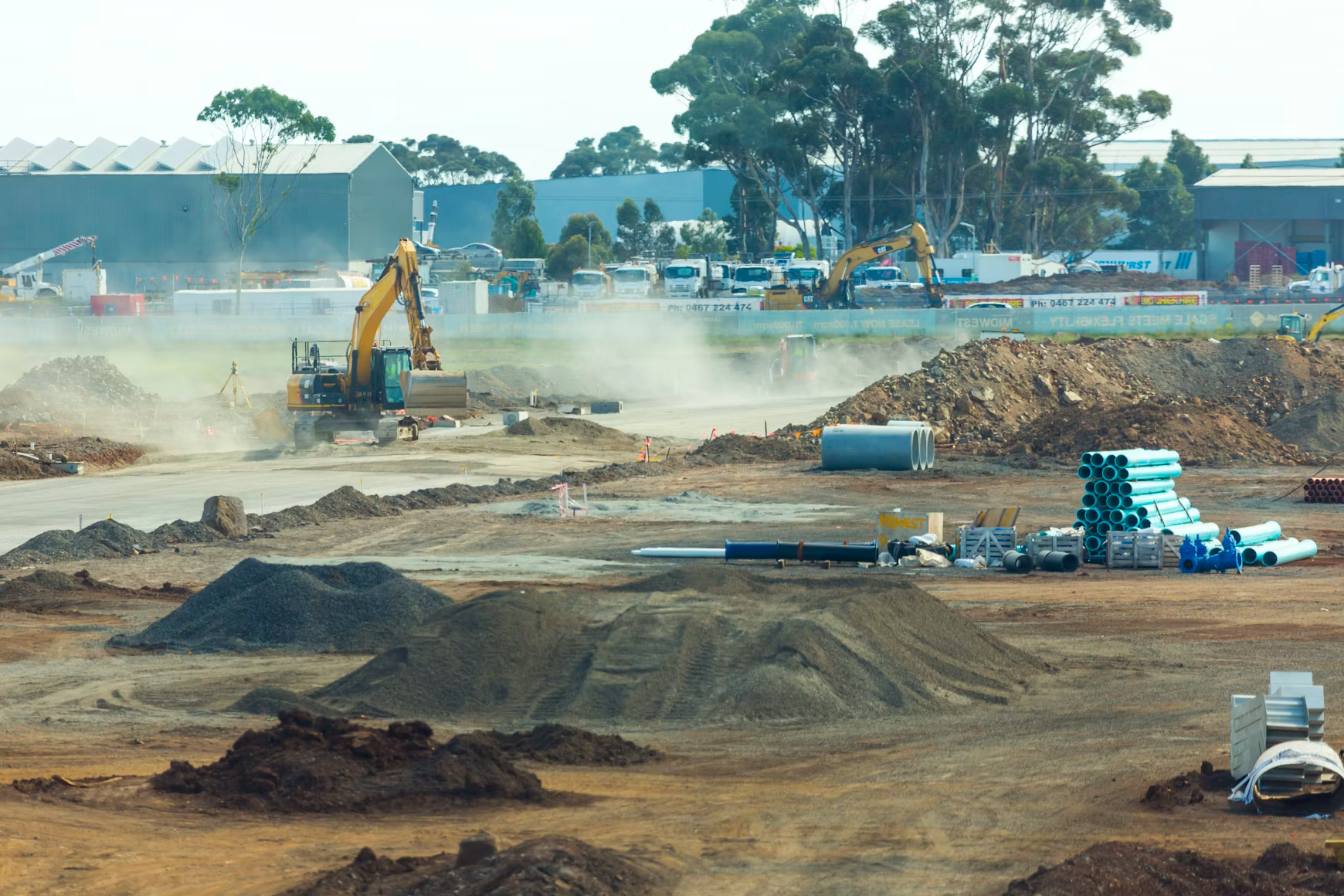
A construction project’s success truly starts from the ground up. Poor site preparation is a major cause of future headaches, leading to structural problems, drainage issues, and costly fixes. Good groundwork means more than just clearing a patch of land; it requires precise excavation, grading, and soil compaction to create a stable base for everything that follows.
Skipping this step can result in shifting foundations, water damage, or trouble installing utilities correctly. Hiring a professional excavator hire service ensures the land is cleared and graded right from the start. These experts have the proper equipment and experience to handle different soil types and terrains, preventing long-term problems that are much more expensive to fix later.
Choosing Reliable Operational Partners
Your project is only as strong as its weakest link, and that often turns out to be an unreliable partner. Subcontractors, suppliers, and consultants all directly affect your timeline, budget, and quality of work. A subcontractor who cuts corners on safety or a supplier who constantly delivers materials late can derail even the most carefully planned project.
Vetting your partners is a crucial step in managing risk. This process should involve checking references, reviewing their past work, and confirming they have the necessary licenses and insurance. Don’t just go with the lowest bid. Paying a bit more upfront for a proven, dependable partner is an investment that helps you avoid much bigger expenses and headaches later on. Clear, detailed contracts that spell out expectations, timelines, and payment schedules are also essential for protecting everyone involved.
Contingency Planning for Unexpected Challenges
No matter how well you plan, unexpected things will happen. Bad weather, sudden supply chain disruptions, or client-requested design changes are just a few variables that can impact a project. A solid contingency plan acts as your safety net for these situations. This isn’t just a vague idea to “deal with problems as they come”; it’s a structured way to handle unforeseen events. A good starting point is to set aside a contingency fund, usually 5-10% of the total project budget, to cover unexpected costs. You should also build buffer time into your project schedule. Creating a risk register that lists potential issues, how likely they are, and a predetermined response plan can help your team react quickly and effectively, minimizing disruption and keeping the project on track.
Effectively managing risk in construction means constantly looking ahead and preparing. By focusing on solid groundwork, reliable partners, and proactive planning, you can protect your projects from common pitfalls and build a reputation for delivering results on time and on budget.