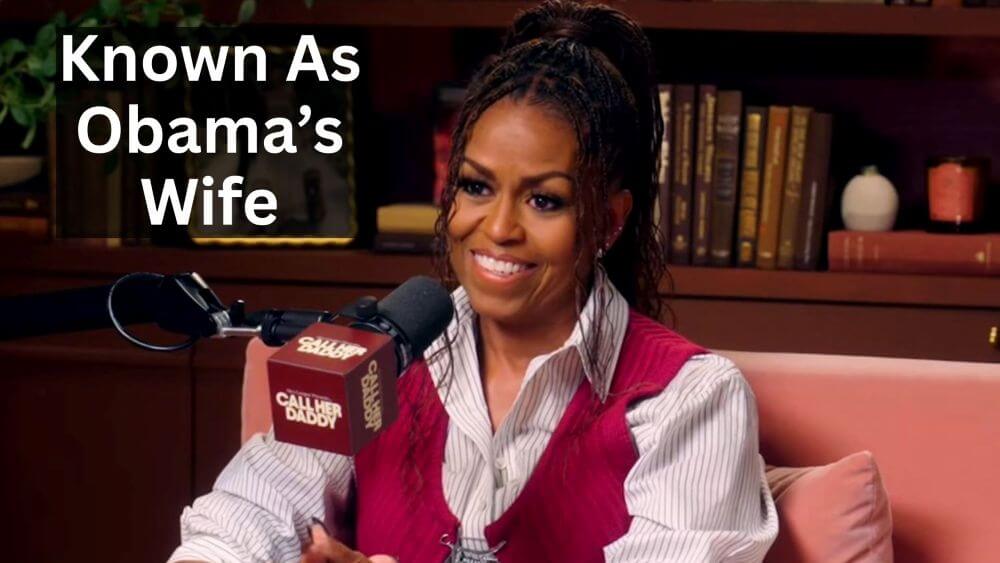
Michelle Obama possesses one of the most recognizable brand names on the planet. With millions of followers and a platform that most world leaders would envy, she has an almost unparalleled potential to effect meaningful change and tackle the world’s most pressing issues.
However, looking at her recent media appearances—including her recent stint on the “Call Her Daddy” podcast—it feels as though that potential is being sidelined in favor of the trivial and the divisive.
The Focus on the Trivial
In a widely circulated clip, the former First Lady spoke at length about the “hassle” of maintaining her hair as a Black woman in the public eye. While hair politics is certainly a conversation within specific communities, is this truly the best use of a global stage?
Every Black woman in the world is as competent to speak on that experience as Michelle Obama. When someone of her stature chooses to focus on hair products and “the struggle” of grooming, she trades her role as a global stateswoman for that of a lifestyle influencer.
Similarly, she made headlines by discussing the “burden” of having to pay for her own personal expenses while living in the White House. To hear a multimillionaire complain about paying for her own groceries and meals—while living in one of the most prestigious residences on Earth—strikes a tone-deaf chord with everyday people struggling with actual inflation and cost-of-living crises.
A Lack of Post-White House Vision
On “Call Her Daddy,” Michelle lamented that people primarily know her as “Barack Obama’s wife.” But if we look at her output since 2017, it’s hard to find a different identity to latch onto. Much of her public discourse revolves around complaining about the constraints of life in the White House or the personal toll of public service.
Contrast this with other women who have held immense power, such as Condoleezza Rice. Since leaving the State Department, Rice has returned to academia as a director at Stanford’s Hoover Institution, advised on complex geopolitical shifts, and focused on educational reform. She speaks about international security and economic policy—not shoe colors or fashion choices.
The Meritocracy vs. Identity Politics
In another recent video, Michelle advocated for specifically supporting Black fashion designers. While supporting small businesses is noble, framing it through the lens of skin color brings us back to the controversial territory of Diversity, Equity, and Inclusion (DEI).
When we encourage the public to support a creator based solely on their race rather than their merit, we are essentially advocating for a form of reverse discrimination. This sends a concerning message to the next generation: that your skin color—not the quality of your work or the depth of your character—is your most important asset.
By leaning into these topics, Michelle Obama isn’t just “keeping it real”—she’s shrinking her legacy. We should expect more from a woman who has seen the inner workings of global power. We need voices that inspire excellence and meritocracy, not more complaints about the “hassle” of being famous.