Investing in land is a unique blend of financial strategy and personal responsibility. Unlike assets that only exist on paper or in digital form, land is a real, lasting resource. If you’re an investor looking to diversify your portfolio, understanding how land ownership works is the first step toward unlocking its long-term potential for both building wealth and being a responsible steward.
Why Land Is a Unique Asset Class
Land holds a special place in any investment portfolio. It’s tangible – you can walk on it, see it, and touch it. This physical nature offers a sense of security that digital or paper assets often lack. There’s also a limited supply of land, which can naturally protect against inflation over time. While it usually doesn’t offer the quick gains of a volatile stock, it also tends to be less volatile. For investors seeking stability, exploring whether land is a good investment can show its potential for steady, long-term growth and how it fits into a balanced financial plan.
Understanding Land Management Costs
Ownership goes beyond just the initial purchase price. To keep your investment in good shape and protect its value, you’ll need to budget for ongoing costs. Property taxes are a main annual expense, and they can vary a lot depending on where the land is and how it’s zoned. Liability insurance is also key to protect you from financial losses if accidents happen on your property. Depending on the land’s condition and your goals, you might also face costs for things like fence repair, road maintenance, or basic brush clearing to keep the property accessible and follow local rules.
Enhancing Land Value Through Active Care
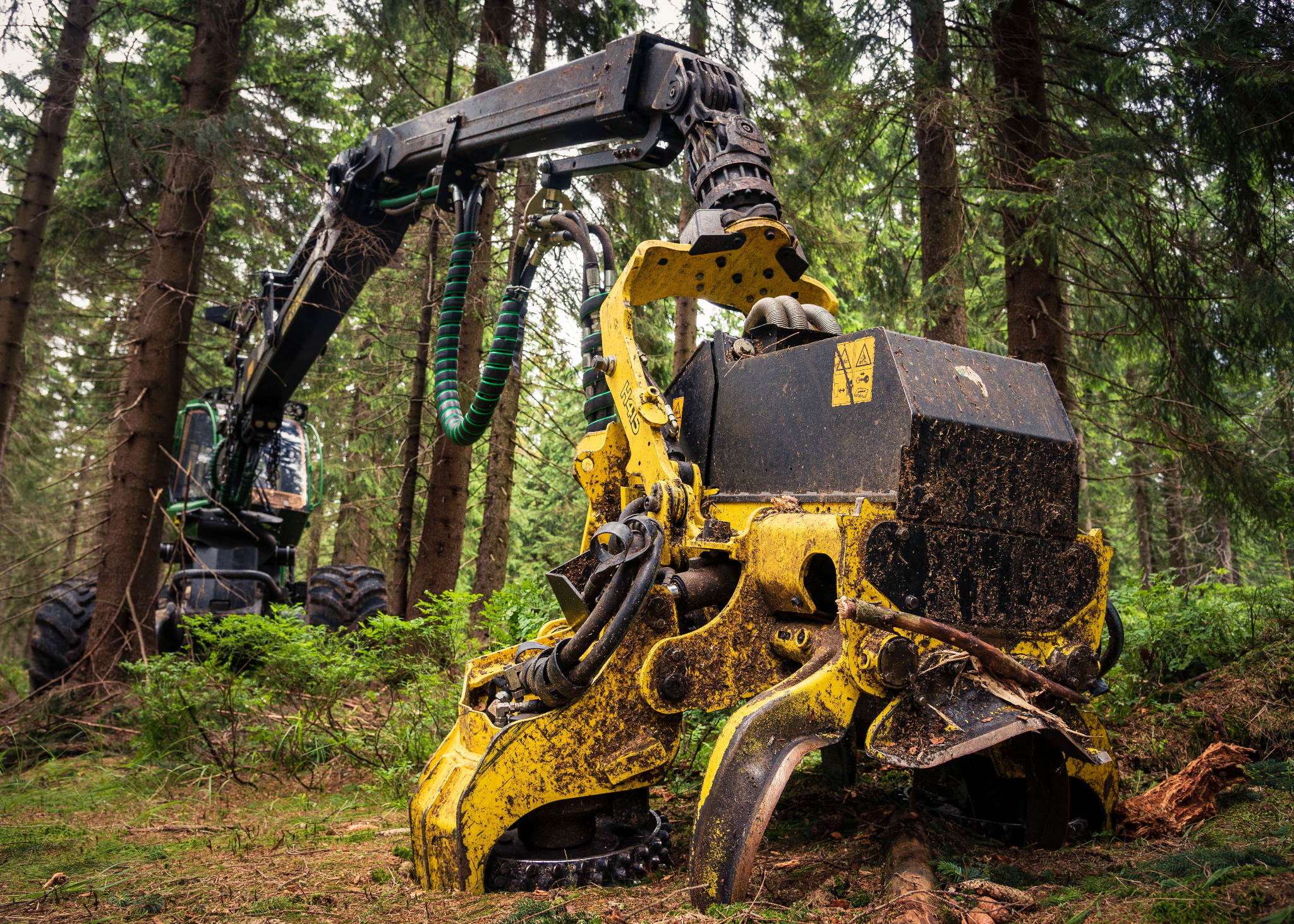
Just owning land can preserve its value, but actively caring for it can significantly boost it. Simple improvements can make your land much more appealing and useful for future buyers or for your own plans. This could mean creating clear access roads, marking property boundaries, or improving drainage to make the site more functional. Learning how to reclaim an overgrown property can also help landowners identify practical ways to improve neglected areas and make better use of the space. For overgrown or wooded areas, clearing unwanted vegetation is often the first and most effective step. When land becomes heavily overgrown, professional forestry mulching services can help clear unwanted trees, brush, and vegetation while leaving the mulched material on the ground.
Mitigating Risks for Landowners
Every investment comes with risks, and land is no different. As a landowner, you could face potential liability from trespassers, boundary disputes with neighbors, and the financial hit from natural disasters like wildfires or floods. Plus, changes in local zoning laws or environmental regulations might limit how you can use your property in the future. Understanding land as a capital preservation strategy means being proactive. This involves having enough insurance, staying updated on local governance, and actively managing the land to reduce hazards.
Sustainable Practices for Future Returns
Modern land stewardship isn’t just about preserving; it’s about creating lasting value. Using sustainable practices can bring both environmental and financial benefits. This might involve managing timber resources for selective harvesting, restoring natural water features to prevent erosion, or planting native vegetation to support local ecosystems. These actions not only improve the health of the land but can also make the property more attractive to a growing market of eco-conscious buyers. In some cases, these efforts might even qualify you for conservation-related tax benefits, directly adding to your financial return.
Investing in land is a commitment that goes beyond a simple transaction. It offers a unique chance to build wealth while also being a steward for a tangible piece of the future.