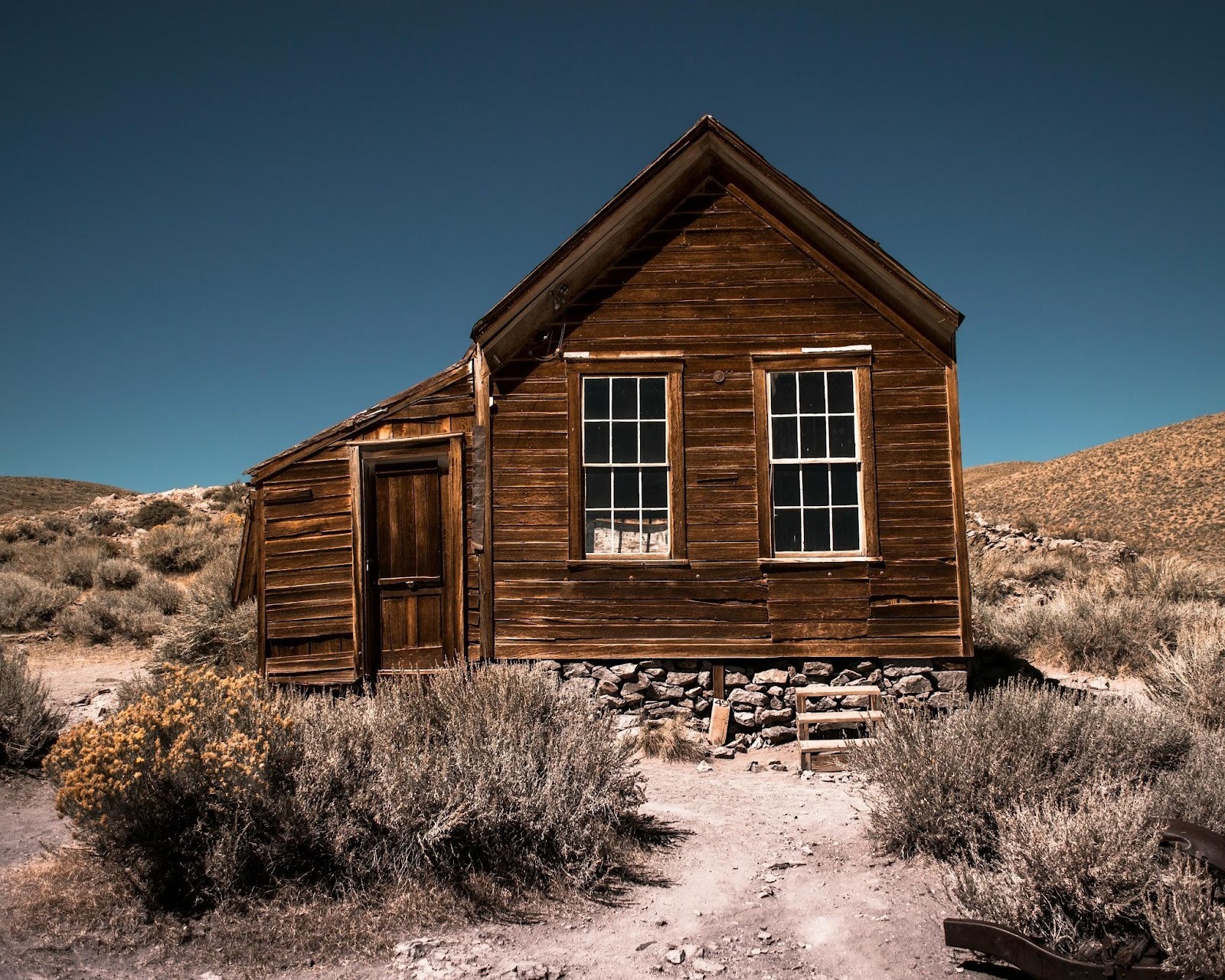
Whatever kind of house you live in, and however long you have lived there, you are probably keen to make sure that you are protecting it as well as possible. One of the things you’ll need to consider here is the elements themselves, and how you might ensure that you are keeping your house protected from them in all their diversity. The truth is that there is a lot you might want to think about here, and that it might require the ability to have a varied way of looking at things to do with your home.
Keeping your home protected from the outside elements is one of those quiet responsibilities that only becomes visible when something goes wrong. A sudden leak, a creeping draught, or dampness spreading across a wall can quickly turn a place of comfort into a source of stress. The truth is, a well-protected house isn’t just about reacting to problems – it’s about understanding how your home interacts with the world outside and making small, consistent efforts to strengthen that boundary.
The Battle Between Inside & Out
Your home is in constant negotiation with the environment around it. Wind pushes, rain tests every seam, sunlight slowly degrades materials, and temperature shifts cause expansion and contraction in ways that aren’t always obvious. Even in relatively mild climates, these forces add up over time. The result is that no part of your house is ever truly static – it’s always responding, adapting, and occasionally struggling. The key to protection lies in recognising where your home is most vulnerable. Typically, these are the areas where different materials meet: joints, edges, openings, and transitions. Windows, doors, and especially the roof play a central role here, acting as both shields and potential weak points.
Why the Roof Matters More Than You Think
If your house had a single line of defence, it would be the roof. It takes the full brunt of the weather – rain, hail, snow, and the relentless exposure to sunlight. Despite this, it’s often the most overlooked part of a property until something goes visibly wrong. A well-maintained roof does more than keep water out. It regulates temperature, supports ventilation, and protects the structural integrity of the entire building. Missing tiles, damaged flashing, or worn-out underlay can all create subtle entry points for moisture. These small issues rarely stay small for long.

Regular roof inspections – even just from ground level with a careful eye – can help you spot early warning signs. Look for uneven lines, slipped tiles, or debris build-up. If something feels off, it usually is. Addressing these issues early is almost always cheaper and far less disruptive than dealing with the consequences later.
Walls That Breathe and Endure
Your walls do more than hold everything up – they manage the delicate balance between keeping water out and allowing moisture to escape. This is especially important in older homes, where materials were designed to “breathe” rather than seal tightly. Cracks, peeling paint, or damaged render can all compromise this balance. Water that seeps in may not cause immediate problems, but over time it can lead to mold, weakened structures, and an overall decline in indoor air quality. Repainting, repointing brickwork, or resealing surfaces isn’t just cosmetic maintenance – it’s a protective layer that helps your home continue to function as intended. Think of it less as decoration and more as preservation.

Windows and Doors
It doesn’t take much for the elements to find their way inside. A tiny gap around a window frame or a worn door seal can let in cold air, moisture, and even pests. These small breaches often go unnoticed because they don’t cause dramatic damage, but they steadily reduce your home’s efficiency and comfort. Simple fixes like replacing seals, applying weatherstripping, or resealing frames can make a noticeable difference. Not only will your home feel warmer and more secure, but you may also see a reduction in energy costs. It’s one of those rare situations where comfort, efficiency, and protection all align.
Gutters and Drainage
Water management is one of the most critical aspects of protecting your home, and your guttering system plays a surprisingly large role in this. When gutters become blocked with leaves or debris, water has nowhere to go. Instead, it overflows, running down walls, pooling around foundations, and finding its way into places it shouldn’t.
Keeping gutters clean and ensuring downpipes are directing water away from the property can prevent a whole host of issues. It’s not glamorous work, but it’s deeply effective. Sometimes the simplest maintenance tasks are the ones that carry the most weight.
The Ground Beneath Your Feet
Protection from the elements doesn’t stop at the walls. The ground around your home has a direct impact on how water behaves during heavy rain. Poor drainage can lead to water pooling near the foundation, increasing the risk of damp and structural issues over time. Simple adjustments like ensuring the ground slopes away from your house, maintaining clear drainage paths, or even installing gravel borders can help manage this. It’s about guiding water away rather than fighting it.
A House That Lasts
At its core, protecting your home from the outside elements is about respect – for the materials, the structure, and the environment it sits within. Houses are remarkably resilient when cared for properly. They don’t demand constant attention, but they do require awareness. When you look at your home not just as a place to live, but as a system interacting with the world, everything changes. Maintenance becomes less of a chore and more of a quiet dialogue between you and the space you inhabit.