For businesses all over, sustainability isn’t just a buzzword anymore, but it’s a smart business strategy. Customers love it, employees appreciate it, and it feels good knowing that your business is doing its part to help the planet. The great news is that you don’t need to overhaul your entire operation or build an eco castle in the woods to make a difference.
It doesn’t matter whether you’re running a cozy coffee shop, a bustling tech startup, or a midsize manufacturing company, as there are plenty of fun, practical, and effective ways to make sure that your business leans more towards sustainability than anything else. Let’s take a look at some easy to implement ideas that can help you to shrink your carbon footprint without shrinking your bottom line.
- Start with an audit. This might sound boring, but it’s not actually as boring as it sounds. Think of a sustainability audit in the same way you would a treasure hunt, except the treasure is saving money and doing good. Take a look at how your business currently uses its resources. If your lights are on 24/7 or you have a printer in every office, you may not be as resourceful as you think. Make a checklist to find out where the biggest energy hogs are, waste producers are and water guzzlers are. You might be surprised at the easy wins, such as unplugging unused electronics or replacing outdated light bulbs. Once you know where the energy leaks are, it’s a lot easier to patch them. And the bonus here is showing that you care enough to evaluate your practices is a good look for your brand.
- Start investing in renewable energy. If you are serious about sustainability, take a look into installing solar panels or sourcing your power from renewable energy providers. This is where you may want to consult commercial solar installers to find out what kind of system would work best for your building or business. Solar energy is more affordable than it ever has been and is more accessible than ever before. It will dramatically reduce your long term operating costs and that is a benefit for your business if ever there was one.
- Swap to LED lighting and get smart with your thermostat. This may be one of the lowest effort but highest impact changes that you can make for your business. By changing out your traditional light bulbs for LED ones, having your lights on 24/7 won’t be as bad of an impact. Adding a smart thermostat into the mix, you’ll have a Dynamic Duo. It’ll automatically adjust the heat or the cooling depending on your schedule, which helps to reduce waste and keeps everybody comfortable without breaking the bank. It’s these that are the smaller changes but have the big impacts.
- Encourage remote work. Your employees will love you for this one because commuting is one of the biggest contributors to an office’s carbon footprint. You can drastically reduce your carbon footprint by encouraging remote work at least part time. Not only will you reduce emissions, but you’ll have much happier employees who will be more loyal to you as a result of this flexible work schedule. It comes with good side effects like less traffic stress, lower office energy consumption and maybe even some smiles when people realise they can skip the Super sweatpants. Full on remote work may not be feasible for your business, but even offering flexible hours or carpooling incentives can help to move the needle in a greater direction.
- Rethink your office supplies. While you do your energy audit, take a look inside the office supply cabinet. If you’ve got mountains of plastic pens or piles of sticky notes, then you may need to think about ordering your supplies differently. Look for items that are made from recyclables or biodegradable materials. Consider reusable alternatives like refillable pens, whiteboards instead of notepads, and even washable cloth towels in the kitchen. You could also reduce unnecessary printing and switch to cloud based file sharing, which makes a big difference and helps you to keep track of everything.
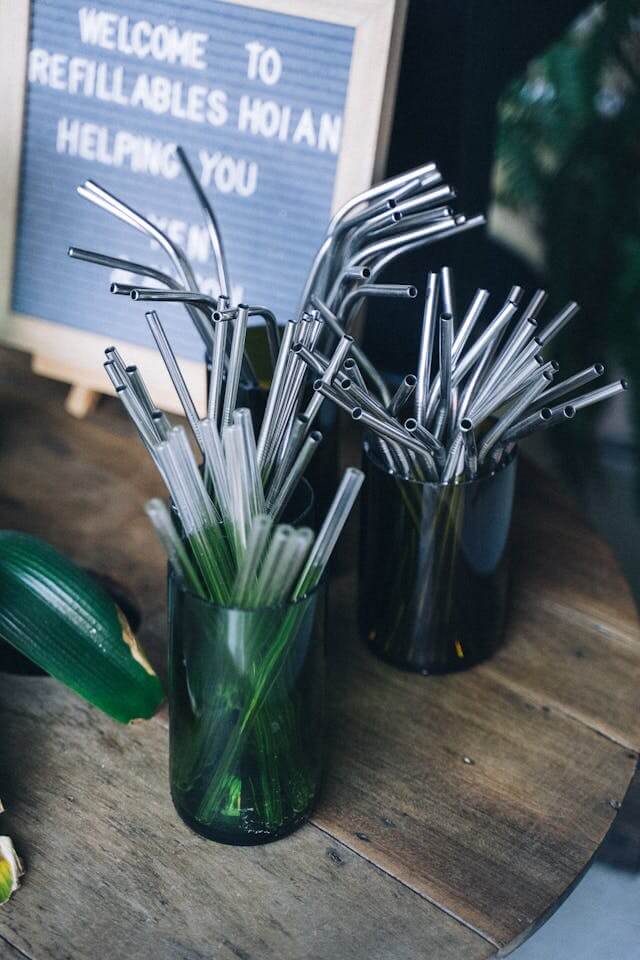
- Start phasing out single use plastics. Everyone loves a good office coffee, but if your break room is packed with disposable coffee cups, plastic stirrers and bottled water, it may be time for a change. Encourage employees or provide them with reusable mugs and water bottles. Branded ones as welcome gifts or employer rewards are always nice and you can stock the kitchen with real mugs. It takes less energy to run a dishwasher once or twice a day than it does to constantly throw out all of these materials.
- Make sure that your office equipment is energy efficient. Older office equipment is kind of like that outdated fax machine still lurking in a backroom. It’s slower, it’s inefficient, and it’s really way past its prime. With modern appliances, computers, and even printers, you can think about energy conservation and keep it in mind. You can look for Energy Star rated products when it’s time to upgrade, as these use less power, produce less heat, and save you money over time. It’s a good win for your wallet and it’s good for the planet.

- Go with sustainable packaging. If you ship products, packaging is a prime place to go green. Instead of foam packing peanuts and layers of plastic wrap, you can look for recycled, recyclable, or compostable materials. Customers love a brand that cares and unboxing experiences matter more than ever. Some companies even include a little note inside their packaging to let customers know that the materials are sustainable. It’s a small touch, it makes a big statement, and it helps customers to know what can and cannot be recycled.
- Go green when you clean. The cleanliness of your office is important, but those harsh chemical cleaners are not so great. Switch to non-toxic eco friendly cleaning products that are better for your team and better for the environment. There are always bonus points if you hire a green certified cleaning service that shares your values. If your business involves lots of customer foot traffic, a clean and green pledge can even be a big selling point.
- Go local with your support. Take a look at your supply chain. Are your vendors aligned with your current values? Picking local, ethical and sustainable suppliers doesn’t just reduce your emissions from shipping, but it strengthens your community ties while supporting small businesses. The next time you’re choosing a caterer, a printer, or a promotional product vendor, look for one that uses green practices in your local business area.
- Make recycling easy. If your recycling bins are hidden in a corner or are confusing to use, the chances are your employees will take the easy route and just toss everything in the main trash. You can make it simple and more obvious. Label your bins clearly with pictures, put them in convenient locations, and educate your team on what goes where. You can even make a little game of it by hosting a Recycling Week Challenge and reward your eco stars with a prize or shout out. The easier you make it, the more people participate and that’s the goal, getting everyone involved.
- Ditch the paper trail. You don’t have to go fully paperless overnight, but reducing paper waste is a big win. Start by digitising common processes like employee onboarding or expense reports and receipts. There are tons of apps and platforms that make this painless, and digital tools usually improve productivity and organization at the same time, so it is a double win.
- Plant Greenery. Adding plants to your office isn’t just a fun decor choice, it improves air quality, boosts moods and reduces stress. Studies have shown that a few leafy friends around the office can increase productivity and reduce sick days.You can take it a step further with a rooftop garden or a vertical plant wall, and you can even use a small indoor herb garden in the break room. It makes your workspace feel alive, and customers will notice that natural vibe because nature equals good business.
- Make sustainability part of your business culture. One time changes are great, but the real impact comes from embedding sustainability into your company culture. You can start small with quarterly green challenges or clean up events and then recognise and reward employees for eco-friendly ideas.Including sustainability in your mission statement or onboarding is also a great plan. When your employees feel ownership over these initiatives, they’ll be more engaged and more likely to come up with creative solutions that you haven’t thought of.
Greener businesses are better businesses, and making your business more sustainable doesn’t require a huge budget or even a masters degree in environmental science. All it takes is a little intention and a willingness to rethink the way things have always been done. Start with what makes sense, swap the bulbs or start a garden and talk to your team about it. The best time to start your sustainability journey without going off the grid is right now.