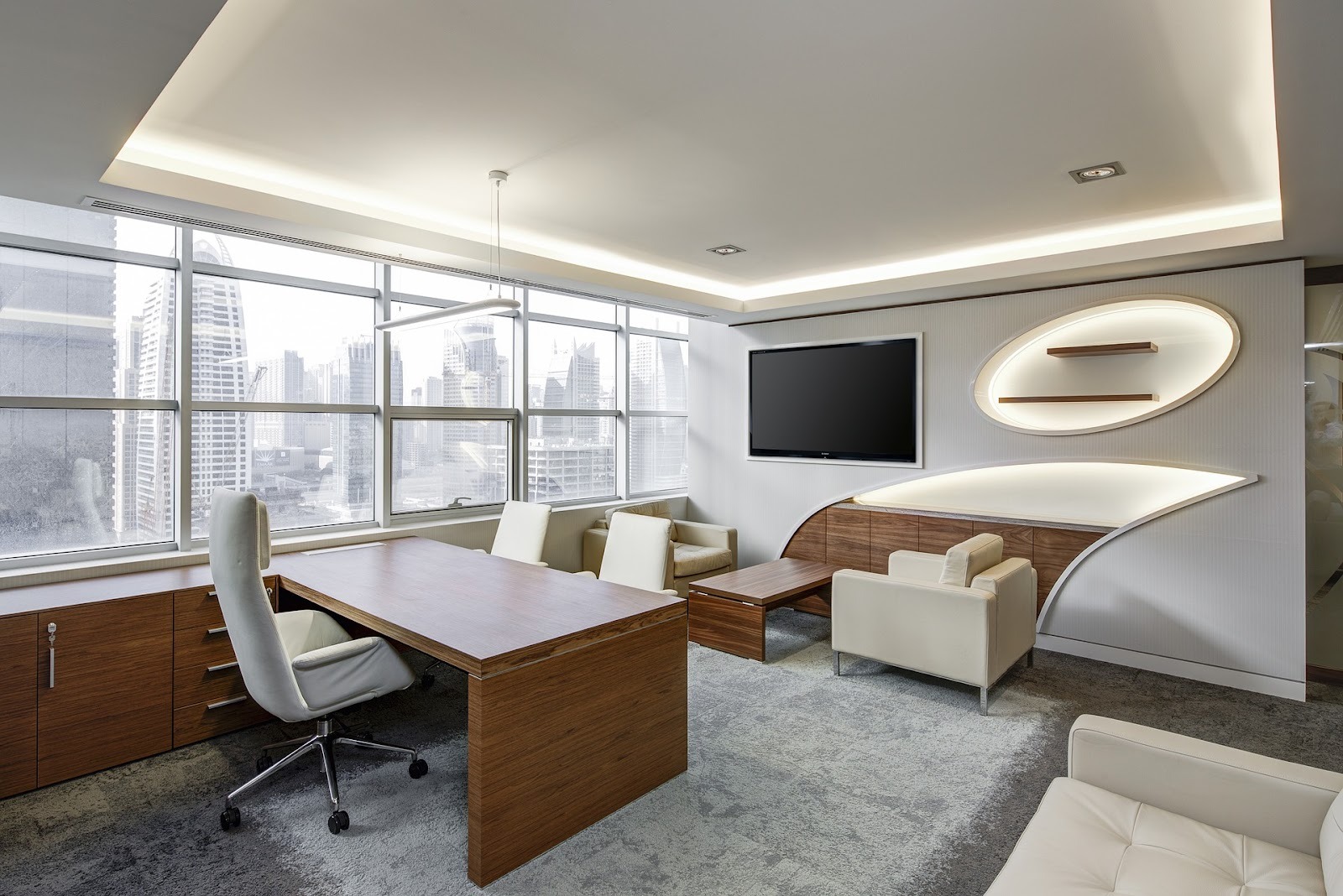
Workplace productivity will always be influenced by several different factors. One that is often underestimated is the office furniture design that is used. Beyond aesthetics, the layout, comfort of furniture and flexibility all play a very direct role in how your employees will focus, move through their workday and collaborate.
As work environments continue to evolve, many businesses are putting a bigger emphasis on furniture that will support well-being and efficiency at the same time. Instead of treating furniture as a fixed asset, there are many organizations that now view it as a strategic tool that is able to shape exactly how work gets done.
The Connection Between Design and Performance
Office furniture will often affect posture, movement, as well as accessibility. All of these can contribute to the comfort of employees as well as their energy level. When employees use poorly designed seating or have rigid layouts, it can lead to a lot of physical strain and reduce concentration as time goes on.
In contrast, ergonomic chairs as well as adjustable desks and workstations that are thoughtfully arranged can help reduce fatigue and support sustained focus. Design will also influence how people are able to interact with each other.
Open and adaptable layouts will encourage collaboration while well-defined individual workspaces provide areas for employees to increase their concentration. The most productive offices are those that strike a balance between these two needs by making intentional furniture choices.
Flexibility in Modern Workplaces
As hybrid and flexible work models become a lot more common, offices will no longer be designed in a single way of working. Furniture will be able to adapt to different types of tasks, changing team sizes and evolving technological requirements. Modular desks, multipurpose seating and movable partitions will allow spaces to start shifting throughout the day without disruption.
This type of flexibility will help businesses to make better use of any available space they have while still accommodating diverse work styles. It will also reduce the need for there to be frequent renovations. This makes adaptable furniture a very practical long-term investment.
Supporting Collaboration Without Sacrificing Focus
Collaboration is always essential in workplaces, but having constant interaction can be distracting as well if spaces are not designed very thoughtfully. Furniture will play a key role in helping to create zones that will support different activities. Lounge-style seating as well as shared tables will encourage informal discussions, while enclosed workstations will provide quality areas for focused tasks.
Businesses that are exploring workspace solutions will often consult providers such as an office furniture store to identify designs that are able to create a balance between collaboration and privacy without having to rely on rigid layouts or even permanent structures.
Long-Term Value of Thoughtful Design
Well-designed office furniture will often contribute to more than just immediate comfort. It will also support employee satisfaction, reduce the risk that there will be strain-related issues, and also help organizations to adapt, to change much more easily.
Over time, all of these benefits are going to translate into an improvement in productivity among employees and better use of the organization’s resources.