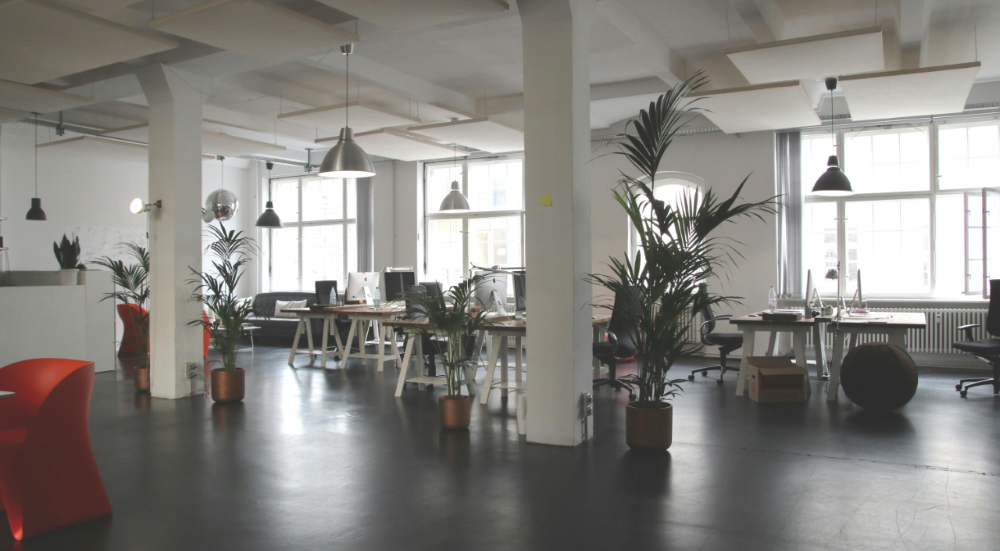
The physical structure of an office carries information. It signals how work is organized, what behavior is expected, and how people relate to each other. Rows of desks, tucked meeting rooms, and open areas should never be just arranged elements at random. They frame the way people move and interact. When a space emphasizes visibility, people respond to that visibility. When it offers places to step away, that becomes part of the rhythm. These decisions happen early, often when companies move or renovate, but their effects are ongoing. They influence how culture is felt on the floor, literally and otherwise.
Cleanliness as a Cultural Signal
There’s also what happens between those fixed design elements. A building can age well or poorly. Maintenance plays a role in how people experience a space. It’s not about whether an office looks new. It’s whether it feels taken care of. That feeling develops through repetition of fresh surfaces, working fixtures, and clean floors that are kept that way. Routine services like commercial carpet cleaning reinforce consistency. Carpets absorb a lot of the office day, and how they’re treated becomes part of how the space speaks back to the people in it. This kind of upkeep becomes a baseline. People read that baseline and measure their own behavior against it.
Spatial Logic and Behavioral Norms
There’s often an obvious pattern to how people will walk through a space. Sometimes it’s clean and simple, like paths from desks to doors, to kitchens, to conference rooms. Other times, the space folds back on itself. When the layout makes sense, people fall into it. When it doesn’t, they work around it. Over time, those workarounds become informal rules. The structure sets a tempo. If something is hard to find or get to, that friction doesn’t go unnoticed. It affects how people meet, how quickly things move, and how often small moments of coordination happen.
Adaptability as a Reflection of Organizational Flexibility
Office furniture that moves, rooms that shift in function, spaces that allow for change without much effort are choices that reflect an orientation toward adaptability. Some teams reconfigure their environment weekly. Others need it to stay stable for longer stretches. Neither is better, but what matters is that the space makes room for those preferences without getting in the way. When the physical environment accommodates new patterns without resistance, it makes those patterns easier to adopt. Culture often follows what’s physically available.
Visibility and Shared Responsibility
When facilities management is visible and transparent, employees engage with their environment differently. If cleaning, repair, or infrastructure upgrades are seen rather than hidden, it creates a sense of shared responsibility. Employees begin to understand that maintenance is not external but part of the organization’s internal rhythm. This visibility can promote accountability and foster a culture where people are more likely to care for the space themselves, rather than defer that responsibility to others.
Conclusion: Aligning Space and Values
Culture will eventually show up in people’s work. But before that, it shows up in where they work. The layout, the maintenance, the little systems that make a space feel workable, all of that contributes. The environment can support a company’s values or make them harder to live by. When the space and the culture point in the same direction, things tend to move more smoothly. There’s less friction. More signals. Less explanation. More clarity in how people show up and what they expect from the day.