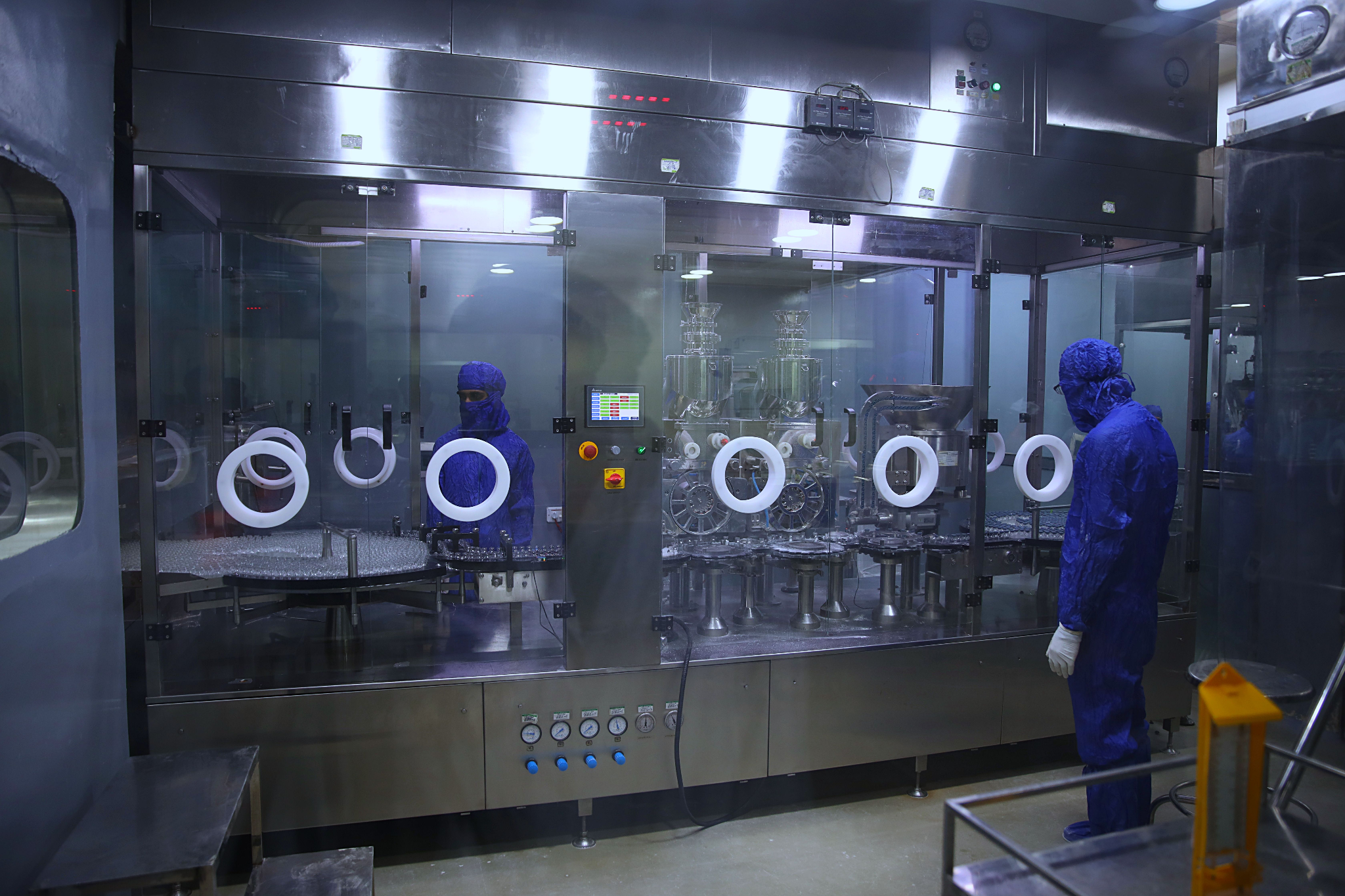
The medicines we rely on need to be safe and consistent, and that starts long before they reach a pharmacy. It begins in highly controlled manufacturing environments where precision and sterility are crucial. For decades, the pharmaceutical industry has worked to make this process not just more efficient, but also fundamentally safer. Today, new technology is changing how drugs are made, reducing risks for both workers and patients.
Embracing Single-Use Systems for Contamination Control
One of the biggest risks in making pharmaceuticals is cross-contamination between different batches or products. In the past, this was handled by thoroughly cleaning and sterilizing stainless-steel equipment. This process was time-consuming, expensive, and still carried a small risk of failure. The industry has made significant advances by moving to single-use systems (SUS). These systems use pre-sterilized, disposable parts for the entire production process.
This approach means manufacturers don’t need to sterilize key components themselves, which greatly reduces the risk of contamination. From sterile bags and tubing to precise parts like specialized filling needles, these technologies create a closed, sterile path for the product. This not only makes things safer but also lets manufacturers switch between different drug products more quickly and flexibly, helping vital medicines get to patients faster.
Automation and Robotics Minimize Human Error
Even in the best-run facility, human involvement can lead to variations and errors. More and more, automation and robotics are being used for tasks that are repetitive, delicate, or dangerous. Robotic arms can fill vials with a level of precision and consistency that a human operator would find hard to maintain over a long shift. They can also work inside sealed, sterile environments called isolators, which minimizes human contact with the product.
This automation also makes workplaces safer. Pharmaceutical manufacturing sometimes involves handling potent or toxic compounds. By giving these tasks to robots, companies can significantly reduce how much employees are exposed to hazardous materials. This creates a safer work environment and helps ensure the final product stays pure.
Continuous Manufacturing for Real-Time Quality Assurance
Traditionally, drugs were made using “batch processing,” where a large amount of a product is made in separate steps. Quality testing often happened only at the very end. If a problem was found, an entire batch, potentially worth millions of dollars, might have to be discarded. Continuous manufacturing, a key part of the modern pharmaceutical innovation journey, changes this approach.
Instead of large batches, this method involves a steady flow of materials through a contained, integrated system. Sensors monitor the process in real-time, allowing for immediate adjustments to maintain quality. This not only makes production more efficient and reduces waste but also improves safety. Any deviation from the standard is caught and corrected right away, ensuring the final product meets all specifications from start to finish.
The Power of Data and Advanced Analytics
Modern pharmaceutical plants are full of sensors that collect huge amounts of data on everything from temperature and pressure to the number of particles in the air. The challenge has been determining how to use this information effectively. With the rise of the Internet of Things (IoT) and artificial intelligence (AI), manufacturers can now use advanced analytics to turn this data into useful insights.
AI algorithms can analyze trends to predict when equipment might fail. This allows for maintenance to be done proactively, preventing costly downtime and potential product contamination. While there are still barriers to innovations in manufacturing that the industry is working through, the potential for continued advancement is substantial. Machine learning can optimize process settings to improve yield and consistency, making sure every dose of medicine is as safe and effective as the last.
These advancements aren’t just about making pharmaceutical production faster or cheaper. They’re about building a more resilient, reliable, and secure supply chain for the medicines that millions of people depend on every day.