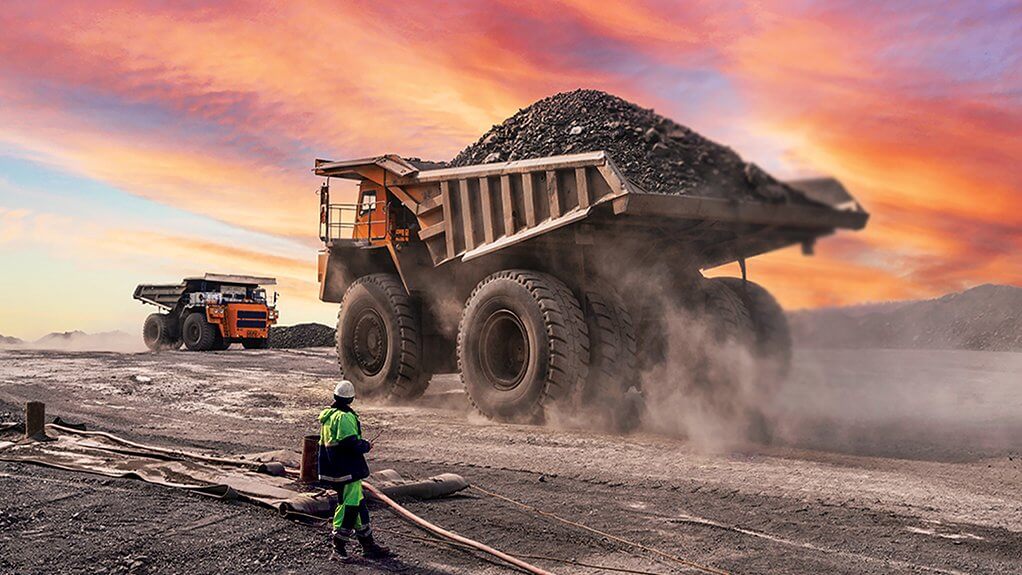
While mines operate under the guidance of nothing but dumb luck and physical labor, behind each ton of minerals mined and processed exists an army of specialized equipment operating non-stop. While people envision the large equipment such as excavators, hauling trucks, crushers, etc., the real story of mine efficiency lies in dozens of auxiliary support systems that only come to mind when they fail.
This type of equipment is not glamourous; nor does it appear in marketing videos or investor presentations. However, these systems represent the difference between a site producing within its production target, and another site that continuously plays “catch-up”.
The Challenge of Material Flow
There are several challenges associated with moving the materials mined from underground. First and foremost, the materials mined do not want to be moved. Ores are sticky, fine powders can pack together to form a hard mass of material similar to concrete, and clays are wet and sticky and tend to gum up all equipment that contacts them. Additionally, gravity assists in helping to move the materials, but only to a certain extent.
Once the material enters a silo or hopper, and begins to flow into the hopper or silo, things can get complicated quickly. The material may flow well into the silo or hopper, but begin to form a “bridge” in the middle of the silo or hopper and cease to flow. Alternatively, the material may create a “rathole”, which refers to the situation where material flows down the center of the silo or hopper, leaving a shell of material attached to the sides of the silo or hopper. In both cases, the production process must be stopped while the issue of how to restore flow is resolved.
In the past, operators used manual methods to resolve flow problems. Operators would climb up the side of the silo or hopper with long poles or sledgehammers and attempt to dislodge the blocked material. Obviously, this method is extremely dangerous, and rarely effective. Many facilities continue to employ external vibrators to assist in resolving flow problems. Unfortunately, these devices also create their own set of problems including structural fatigue of the equipment, excessive noise generation, and unreliable performance with respect to difficult-to-move materials.
This has changed the face of bulk material handling with the introduction of air blasters. These systems provide short blasts of compressed air directly into the area of the material flow obstruction, and break the obstruction prior to shutting down the entire operation. Because these systems are automated, they can be programmed to perform on a schedule, or can be triggered by sensors that detect abnormal flow conditions. As such, these systems eliminate the need for personnel to manually intervene in the event of a flow problem.
More Complicated Than They Appear – Conveyor Systems
Moving material from point A to point B appears to be a relatively simple task until you consider the distance and volume of the material being transferred in a typical mining operation. Conveyors may extend for many kilometers, transferring thousands of tons of material per hour. When a conveyor operates correctly, it is a beautiful sight to behold. Conversely, when a conveyor malfunctions, it can bring production at the mine to a grinding halt.
Cleaning of the belt is likely the most underappreciated maintenance requirement of the mining industry. Carry-back (the amount of material that remains on the belt after it has been discharged) is the culprit responsible for the majority of problems experienced by the belt. Carried back material accumulates on the return rollers of the conveyor system, and falls off randomly throughout the length of the conveyor system. This accumulation of carried back material creates chaos wherever it lands. If carried back material is allowed to accumulate for extended periods of time, it can ultimately damage the belt or cause tracking problems that result in tearing of the belt and subsequent spills.
Most modern mining operations utilize two types of belt cleaners. Primary cleaners are positioned near the discharge end of the conveyor, and remove the majority of the carried back material. Secondary cleaners are positioned farther along the length of the conveyor, and clean up the remaining carried back material. While the concept of using two cleaners may seem simple, the quality of the cleaners can be easily discernible in terms of the maintenance costs and the lifespan of the belt.
Additionally, the maintenance requirements of the conveyor system include the need to maintain the correct level of belt tension, and ensure that the conveyor system is properly aligned. If the belt is under-tensioned, it will slip excessively. Conversely, if the belt is over-tensioned, the life of the bearings and other moving parts will be shortened. Tracking systems are utilized to ensure that the belt is running down the center of the conveyor bed, and require periodic adjustments as the belt stretches and settles.
Many mining operations have an employee who is solely responsible for walking the conveyor system, making minor adjustments to the tracking system, and preventing major problems from developing.
Not Just An Environmental Issue – Dust Control
Minerals produce significant amounts of dust. Furthermore, while dust control measures are becoming increasingly stringent due to environmental concerns, controlling dust is also important for maintaining the longevity of equipment, and protecting the health of employees.
Dust finds its way into nearly all components of equipment, including bearings, motors, electrical panels, and control panels. The presence of dust accelerates the wear rate of moving parts. Similarly, electronics also do not appreciate dust. Facilities that do not take dust control seriously, spend significantly more money on maintenance and replacement parts than those facilities that do.
Spray systems utilizing water are utilized to suppress dust at transfer points and along haul roads. However, it should be noted that spraying water in areas where materials may be sensitive to moisture, or in colder climates where water sprayed onto surfaces can freeze, can create additional hazards.
Enclosed transfer points equipped with proper ventilation and filtration systems are ideal for controlling dust at the point of creation. Additionally, bag houses and scrubbers can be used to remove dust from the air prior to it escaping into the ambient environment. While the cost of installing these systems can be prohibitive, the savings generated by reduced cleanup activities, and lessened equipment wear can generate a substantial return on investment.
Unfortunately, even though dust control systems must be maintained to remain effective, filters must be cleaned or replaced periodically, spray nozzles must be inspected regularly, and bag houses must be repaired when leaks occur. Like all equipment, dust control systems function well, until they do not.
A Shift Toward Predictive Maintenance
Mining operations are rapidly becoming more intelligent. Sensors are being installed in mining equipment to monitor parameters such as belt speed, material flow, and equipment temperature and vibration. Once a sensor detects a parameter trending towards failure, the system sends a notification to maintenance personnel alerting them to potential failures. With this shift toward predictive maintenance, mining operations can now schedule maintenance on equipment during planned downtime. Maintenance personnel can receive parts ahead of schedule, and can prepare for maintenance tasks rather than fighting fires.
With the ability to remotely monitor multiple mining sites from a single location, engineering personnel can adjust settings, troubleshoot problems, and coordinate responses without physically being present at the individual site. Remote monitoring is especially beneficial for mining operations located in remote locations.
However, remote monitoring will only be successful if the basic systems are functioning properly. Automation is merely a multiplier of good systems. Good systems are improved, but bad systems cannot be improved by automation.
The Reality of Investing in Good Equipment
It is true that good equipment requires a higher initial investment than inferior equipment. However, the ultimate cost of owning inferior equipment far exceeds the initial cost of purchasing superior equipment. Inferior equipment will eventually break, and will require frequent and costly repair or replacement. Mining environments are harsh, and inferior equipment simply will not survive.
When evaluating the cost of owning equipment, one must evaluate the total cost of ownership. What is the expected lifetime of the equipment? What will be the ongoing maintenance requirements of the equipment? How much downtime will be incurred when the equipment fails? Superior equipment will often cost twice as much as inferior equipment, but will have a service life that is five times longer.
Some mining operations have finally understood this principle. These operations purchase equipment that is designed to maximize the lifecycle costs of the equipment, and minimize the ongoing maintenance requirements of the equipment. Other mining operations are continuing to learn this lesson, albeit the hard way, and are continuing to replace the same failed component repeatedly.
Keeping Everything Running
The equipment that keeps mining operations running smoothly isn’t flashy. It’s the flow aids that prevent blockages, the scrapers that keep conveyors clean, the dust control systems that protect equipment and people. It’s the automation that catches problems early and the monitoring systems that turn data into decisions.
Mining is a tough business with tight margins. The difference between profit and loss often comes down to uptime and efficiency. That means having the right equipment in place, maintained properly, and replaced before failure becomes catastrophic. The sites that understand this run smoother, safer, and more profitably than those that don’t.