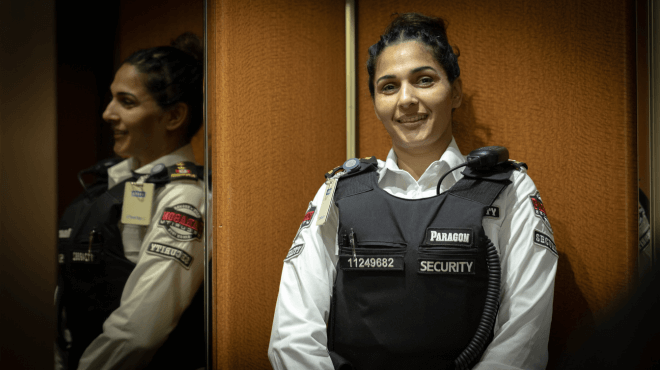
In private security and tactical work, clothing isn’t just a uniform—it’s part of the equipment. Every piece worn on duty must balance mobility, protection, and function. Unlike casual wear, professional-grade tactical apparel is engineered for high-stress environments where failure isn’t an option.
Here’s a look at the essential apparel that keeps private security teams and tactical operators effective, safe, and mission-ready.
The Foundation: Tactical Pants
The most critical piece of any security loadout is the pants. They need to move with the operator, not against them. Regular denim or work pants tear easily and lack the structure for carrying gear.
That’s why durable options like 5.11 tactical pants have become the industry standard. They’re constructed from ripstop or Teflon-coated poly-cotton blends—lightweight yet rugged fabrics designed to resist abrasion and moisture.
Key performance features include:
- Gusseted crotch and articulated knees for unrestricted mobility.
- Multi-pocket architecture that accommodates tools, gloves, magazines, and small med kits.
- Fade-resistant materials for uniform consistency after repeated washing.
Field testing shows the difference immediately. Operators can kneel, sprint, or climb without fabric drag or stress tears. Reinforced stitching prevents seam failure under load-bearing stress—a common issue with cheaper alternatives.
Shirts: Moisture Management and Discretion
Tactical shirts have to strike a balance between appearance and utility. Security personnel often work in public-facing roles but must be ready for rapid response.
Moisture-wicking fabrics like polyester-spandex blends keep operators cool during long outdoor assignments. Look for shirts with mesh ventilation panels and underarm gussets to maintain airflow under body armor.
For plainclothes or executive protection teams, covert tactical shirts provide a professional look while concealing gear. Hidden pockets, reinforced seams, and stretch materials allow concealed carry without printing.
Some manufacturers integrate anti-microbial treatments into fabrics to prevent odor buildup—critical for multi-shift operations where washing access is limited.
Footwear: Traction, Comfort, and Stability
Hours on your feet in variable terrain require precision footwear. Tactical boots must combine military-level support with occupational safety standards.
Look for:
- Slip-resistant outsoles for wet or urban environments.
- Composite toe caps instead of steel for reduced weight.
- Ankle stabilization to prevent injuries during pursuit or sudden movement.
Waterproof yet breathable membranes maintain comfort across climates. Many operators prefer 8-inch boots for full ankle protection, though 6-inch designs provide more flexibility in vehicles.
According to OSHA’s 2023 workplace data, over 24% of all occupational injuries involve slips, trips, or falls. Proper footwear isn’t just comfort. It’s a preventative measure that keeps teams operational.
Outerwear: Weather Protection and Concealment
Private security teams often operate outdoors or in transitional environments. Jackets and outerwear must handle temperature shifts, rain, and concealment needs simultaneously.
Softshell jackets provide lightweight insulation and wind resistance. Their stretch panels enable weapon access without snagging. Meanwhile, hard shells with waterproof membranes serve in severe weather operations or night shifts.
Field jackets with modular sleeve pockets and Velcro ID panels allow quick identification changes between tactical and civilian roles. Some models feature concealed weapon zippers, letting personnel access gear even while zipped up—a small detail with major tactical value.
Gloves and Hand Protection
A proper glove system protects against cuts, burns, and environmental exposure without sacrificing dexterity.
Mechanic-style gloves are common for patrol or field use, offering grip and tactile sensitivity. For higher-threat environments, Kevlar-lined models add cut resistance. Touchscreen-compatible fingertips ensure device use without removal.
The glove fit should be snug but not restrictive. Loose fabric interferes with trigger control and equipment handling.
Belts and Load-Bearing Systems
A belt is not just for holding pants—it’s a foundation for carrying essential gear. Tactical duty belts must distribute weight evenly and stay rigid under pressure.
Choose belts constructed from nylon webbing with polymer reinforcement. The best models feature ratcheting or quick-release buckles, allowing rapid removal in emergencies.
For operators who carry heavy loads such as handcuffs, radio, flashlight, and firearm, two-belt systems (inner and outer) provide stability and quick detachment capability.
When integrated with body armor or plate carriers, the belt system must complement rather than compete with chest load distribution.
Headwear and Accessories
Visibility and temperature control matter. Moisture-wicking caps or boonie hats protect from sun exposure during outdoor assignments. In tactical scenarios, ballistic-rated helmets may be required for specific threat profiles.
Eye protection is non-negotiable. ANSI Z87.1-rated ballistic glasses shield against debris, impact, and UV. Polarized lenses reduce glare for vehicle and perimeter operations.
Ear protection, especially low-profile electronic hearing protectors, balances situational awareness with auditory defense during firearms use or loud environments.
Integration and Layering Strategy
Every piece of apparel must integrate seamlessly. Tactical teams operate under the principle of mobility through modularity. Layers should complement each other.
For example:
- Lightweight base layers wick moisture under plate carriers.
- Mid-layers trap warmth without bulk.
- Outer shells resist wind and abrasion.
Apparel should be selected as a system, not a collection of unrelated items. This ensures efficiency, comfort, and consistency across assignments.
Conclusion
In private security and tactical operations, clothing isn’t fashion—it’s function. Every thread, stitch, and pocket exists to improve mobility, durability, and readiness.
From tactical pants with reinforced knees to moisture-managing shirts and load-bearing belts, the right apparel transforms how effectively teams perform.
The gear you wear defines how well you respond under pressure. Invest in what lasts and what keeps you operational when conditions turn unpredictable.