
The topic of immigration for military families isn’t always as straightforward as you might think it is. When you’re stationed overseas, there are extra layers of complexity that civilian applicants don’t always face. Assignment cycles, relocation orders, residency records, and jurisdictional differences will all influence processing timelines.
And delays for these applications won’t always be caused by eligibility issues, but by documentation gaps, mismatched records, or unrealistic expectations about how long approvals actually take.
With this in mind, here are some tips to help you navigate the immigration process as a member of the military.
Build an Immigration Timeline Before Orders Change
Here’s the thing, military timelines are inherently fluid. PCS orders, deployment schedules, and extensions can alter your residency status, mailing addresses, and consular jurisdiction with limited notice.
This means you need to establish your immigration timeline early to allow your family to sequence applications, medical exams, interviews, and deliver supporting documentation before unexpected moves get the chance to disrupt the process.
Waiting for reassignment and working within compressed timelines increases stress, and mistakes creep in here. Immigration timelines and military schedules rarely align, and knowing this, and preempting it, gives you a head start to prepare what you need for any potential move.
Keep Essential Family Documents Accessible and Updated
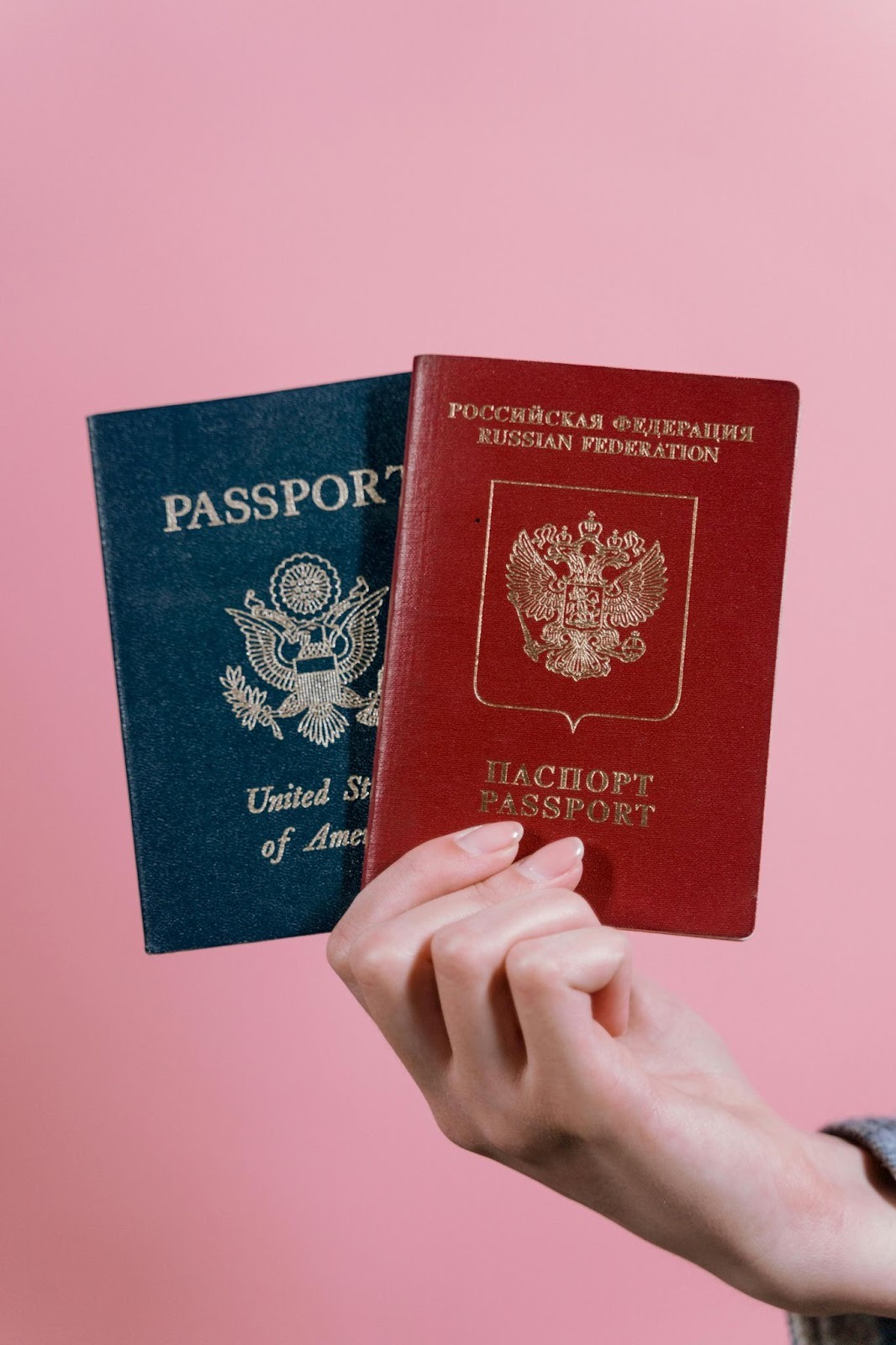
You don’t need to be told how much more complicated accessing records becomes when you’re posted internationally. Collecting birth certificates, marriage certificates, passports, prior immigration records, or legal name change documents are all essential for this process, but tricky to obtain if you don’t already have them to hand.
Then when you factor in expired or non-existent passports, missing certified copies, or outdated civil documents, things get really complicated really fast. And if you need to request duplicates, this takes time and effort.
It pays to have a safe place to keep all of your important documents secure and accessible. Put everything together as you gather it, and stay alert to anything missing or expiring before you actually need it. Because for families pursuing US Immigration for Military Families Based in Germany, this preparation matters, and the right documentation helps your process run more smoothly.
Verify Legal Names and Records Match
Name inconsistencies cause friction. Friction you don’t need during this process. If your name, or those of your family members, don’t match across official records, you’re likely to run into problems. Make sure names match across passports, military IDs, marriage records, prior visas, and government databases, because if they don’t, you may need corrective documentation or affidavits.
This applies to missing middle names, abbreviated surnames, hyphenation differences, and even simple misspellings. Make a point to regularly cross-check information and correct any errors as soon as you notice them. And keep a clear paper or digital trail to support any amendments if verification is required later.
Prepare for Administrative Delays
Here’s the important thing. When preparing for something as significant as an immigration process, the last thing you should do is assume everything will run smoothly or on an ideal timeline. Government processing times fluctuate, and when you factor in security checks, document verification, and medical review backlogs, it’s easy to see how timelines can extend beyond expectations.
You can reduce disruption by allowing as much time as possible for required checks and procedural steps. This helps prevent rushed decisions, overlooked details, and last-minute complications that could delay approvals or travel plans.