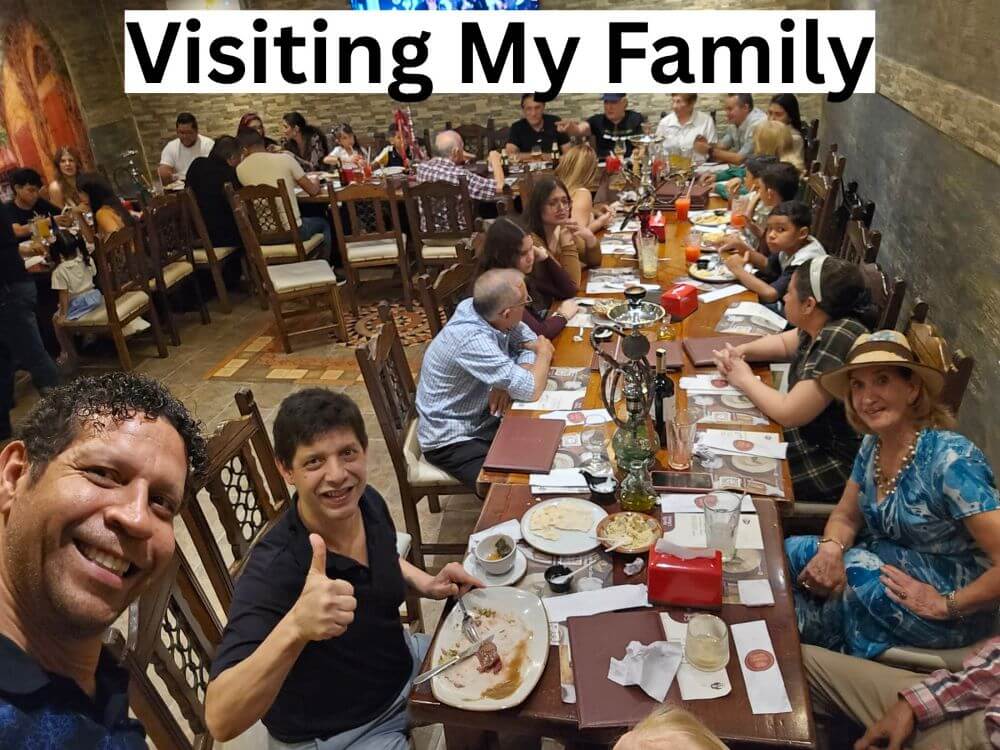
In an era defined by high-definition self-care and “rugged individualism,” we have become masters of our own domains but strangers to our neighbors. We track our macros, optimize our sleep, and curate our digital lives, yet we often return to empty living rooms. The truth is that while individualism feels like freedom, it often functions as a cage. We are built for building community bonds, validation, and shared experience—not just solo hustle.
The fall of community in the Western world isn’t due to a lack of desire; it’s due to a fear of imperfection. We want to host, but we feel pressured to present a “Pinterest-perfect” life. We tell ourselves we are too busy or that our houses aren’t “made up” enough to impress. This “Guest Stress Syndrome” keeps us isolated, watching Netflix and ordering UberEats, while our “civic muscles” atrophy.
My Journey in Building Community Bonds
I have always considered myself a community builder. It started with co-creating Dance Conmigo, where we hosted dance parties specifically so people could gather and move together. Later, I moved these gatherings into my own living room.
At first, we focused on personal development and self-improvement. Eventually, we began gathering for no reason at all, simply to enjoy each other’s company. While I make an effort to keep my apartment tidy, I’ve learned not to fear the imperfection of a “lived-in” space.
During the harsh Montreal winter, I’ll admit I neglected my meetings—the cold makes everything more laborious. But spring is coming, and I am making a conscious effort to open my doors more often.
The Antidote: Intentional Gathering
Intentional gathering acts as a powerful antidote to modern individualism by shifting our focus from individual optimization to the “shared life” of a group. It restores what philosopher Martin Bubler calls “I-Thou” relationships—divine connections between humans—rather than the transactional “I-It” interactions of the modern workplace.
Group Help vs. Self Help
While self-help tools focus on the “I,” group help tools help us navigate the “We.” These tools allow us to give up a small amount of individual freedom for the massive benefit of belonging.
- The Temporary Social Contract: Instead of relying on vague social norms, a host uses “generous authority” to set a mini-constitution.
- The Disputable Purpose: Give your gathering a reason to exist. I am meeting a few friend in a few weeks to discuss a book about the great depression in 1929. We are stock market nerds and this a great moment for us.
3 Strategies for Building Community Bonds This Week
You don’t need a mansion or a Michelin-star chef to create belonging. You just need to be willing to be “half-ass” and authentic.
1. The Half-Ass Potluck
This is the ultimate defense against the pressure of perfection. My own meetings are potluck-style, but with a twist: no one is obliged to bring anything. There is usually too much food anyway!
- The Rule: Your house must be “lived-in,” and the food can be as simple as store-bought pizza or a bag of chips.
- The Goal: Connection over correction. When you allow others to see the “mess,” you give them permission to be authentic too.
2. Create a “Crucial Moment”
Even in a casual setting, people crave structure. In my gatherings, I always include a moment where we all reveal something about ourselves.
- The Question: I might ask, “Tell us about the last book you read,” or “What is one book you would recommend to a friend?”
- The Result: These simple prompts help us discover the hidden depths of the people sitting right next to us.
3. Leverage “Milestone Scaffolding”
Don’t let birthdays or holidays pass as solitary events. Use them as “scaffolding” to bring people together. This weekend I am going to the birthday party of my friend Malena. Pretty soon it will be my birthday and she will be invited to come over as well.
Summary: From “I” to “We”
Building community bonds is a civic discipline. It builds the bridges we need to survive a diverse and often divided world. By choosing to be “of use” to one another—whether it’s through dancing, discussing books, or sharing a simple meal—we replace the devastating loneliness of individualism with the warmth of a village.
Frequently Asked Questions (FAQ)
What is “generous authority” in hosting? It is the host’s use of power to protect, connect, and lead guests. By setting clear rules, the host ensures everyone feels safe and included.
How do I overcome the fear of a messy house? Practice “good enough” hosting. Remind yourself that guests are there to see you, not your baseboards. Most people feel more relaxed in a house that looks lived-in.
What are some easy icebreaker questions for groups? Asking about recent books, favorite travel memories, or “what is one thing you are proud of this week” are great ways to spark deep conversation quickly.
Other Personal Development Posts