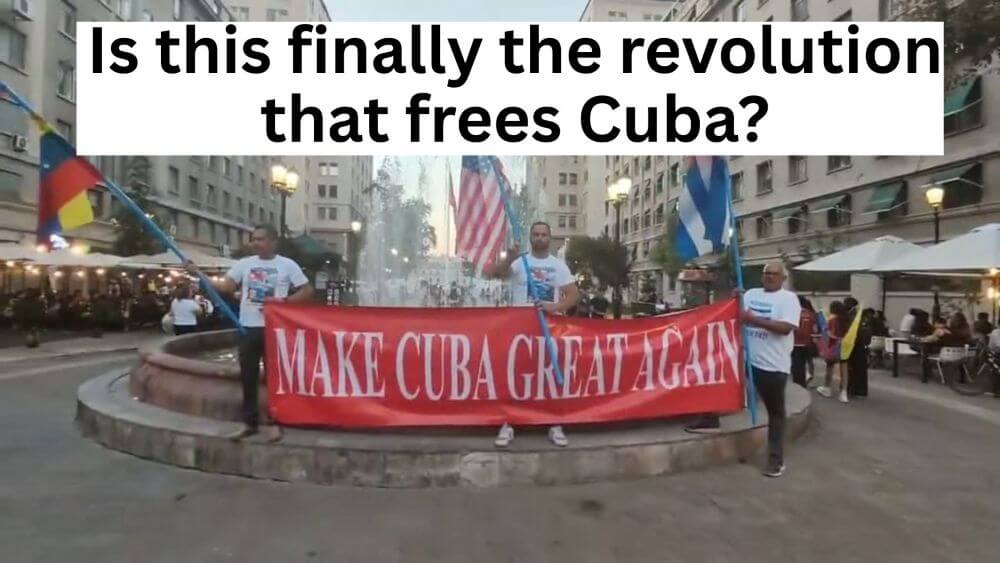
The relationship between Cuba and the United States has taken a significant turn, with recent events bringing the two nations to the negotiating table. This shift comes after years of tension and limited engagement, with a complex interplay of internal and external factors driving the change.
Cuba-U.S. Relations: A Catalyst for Change
The current situation can be attributed to a combination of economic pressures within Cuba and a shift in U.S. policy under the Trump administration. The tightening of sanctions and the pursuit of a “maximum pressure” campaign by the U.S. have significantly impacted the Cuban economy, limiting its access to external resources and exacerbating existing challenges.
This pressure, combined with the collapse of the Venezuelan dictatorship of Nicolas Maduro, a key ally and source of subsidized oil for Cuba, has created a perfect storm of economic hardship. The Cuban government is facing acute shortages of food, medicine, and fuel, leading to widespread dissatisfaction and a growing sense of urgency for change.
The Role of U.S. Pressure
The current administration’s approach to Cuba, spearheaded by figures like Marco Rubio and Donald Trump, has undoubtedly played a crucial role in bringing Cuba to the negotiating table. The unrelenting economic pressure, combined with a clear message of “deal or else,” has forced the Cuban government to reconsider its position and seek a path toward engagement.
This proactive stance by the U.S. government, while controversial, has created the necessary leverage to initiate dialogue and explore potential avenues for cooperation. The “maximum pressure” campaign, though criticized by some, has undeniably created a sense of urgency within the Cuban leadership, making it clear that status quo is no longer sustainable.
Potential Benefits for the Cuban People
The ongoing negotiations offer a glimmer of hope for the Cuban people, who have long endured the consequences of the decades-long standoff. Possible reforms could significantly improve their daily lives, providing access to essential goods, fostering economic opportunity, and creating a more open and dynamic society.
One of the most immediate benefits could be the easing of economic sanctions, which have severely hampered Cuba’s ability to trade and attract investment. This could lead to an influx of resources, a reduction in shortages, and a boost to the private sector, which has been growing in recent years despite significant challenges.
Cuba-U.S. Relations: A Path to Prosperity?
The potential for economic liberalization is particularly promising. By allowing greater freedom for private enterprises, Cuba could unlock the entrepreneurial potential of its people, creating jobs and driving innovation. This could lead to a more diversified and resilient economy, less dependent on state control and external aid.
Furthermore, improved relations could lead to greater cultural exchange and travel between the two nations. This would not only foster mutual understanding but also create opportunities for the Cuban people to connect with the wider world, access information, and benefit from educational and professional exchanges.
The Challenges Ahead
While the negotiations offer hope, significant challenges remain. The deep-seated mistrust between the two nations, ideological differences, and the complex web of domestic politics in both countries will undoubtedly create obstacles along the way.
The Cuban government, while signaling a willingness to negotiate, remains cautious about making concessions that could undermine its political system. The U.S. government, on the other hand, faces pressure from various stakeholders to either pursue a more confrontational approach or to seek tangible progress on human rights and political freedoms.
A Pivotal Moment in Cuba-U.S. Relations
The current negotiations mark a critical juncture in Cuba-U.S. relations, with the potential to reshape the dynamics of the region and improve the lives of millions. The role of U.S. pressure in bringing Cuba to the table cannot be overstated, and the potential benefits for the Cuban people are significant.
While the path ahead is fraught with challenges, the opportunity for dialogue and cooperation should be seized. A successful outcome could usher in a new era of engagement, characterized by mutual respect, economic prosperity, and increased opportunities for the people of both nations.
Protests and the Path to Reform
Last night, on March 13, 2026, the streets of Cuba were light up with fire as protestors are making their opinions clear; they are tired of the actual regime. The city of Morón, in the Ciego de Ávila province, became the flashpoint for a significant escalation. Demonstrators, pushed to the brink by 20-hour blackouts and a three-month fuel drought, reportedly stormed and set fire to the local headquarters of the Communist Party of Cuba (PCC). This act of defiance represents a major shift in the “maximum pressure” campaign that is now coming from both Washington and the Cuban people themselves.
The Night of Fire in Morón
The events in Morón signal that the pressure on the Cuban government has reached a boiling point. Reports and social media footage from last night show:
- Targeting the PCC: Protesters set fire to the Communist Party headquarters, removing and burning political propaganda.
- Clashes and Injuries: There are reports of police using live ammunition to disperse crowds, with at least one young person reportedly shot in the leg.
- Calls for Change: Chants for “Libertad” (Freedom) were joined by explicit calls referencing Donald Trump and U.S. intervention, reflecting a belief that external pressure is the key to breaking the current deadlock.
How Cuba-U.S. Relations Reached This Breaking Point
This escalation is the direct result of a calculated strategy. We must acknowledge the effectiveness of the “maximum pressure” campaign orchestrated by President Donald Trump and Secretary of State Marco Rubio. By maintaining a de facto oil blockade and isolating the island following the fall of the Maduro regime in Venezuela, the U.S. has left the Cuban government with no choice but to negotiate or face total collapse.
The administration’s refusal to provide an “off-ramp” without significant concessions has successfully brought Havana to the table. The recent secret meetings in the Caribbean between Rubio’s team and high-ranking Cuban officials prove that the pressure is working.
Potential Benefits of Reforms for the Cuban People
If these negotiations lead to actual structural changes, the benefits for the Cuban people could be transformative:
- Restoration of the Power Grid: A deal could involve lifting the energy blockade in exchange for political concessions, ending the misery of perpetual blackouts.
- Private Sector Explosion: Formalizing the rights of small businesses (PyMEs) to trade directly with the U.S. would create a middle class independent of the state.
- Human Rights and Amnesty: The release of 51 prisoners earlier this week is a start, but a successful negotiation could lead to a broader amnesty for all political detainees.
Summary
The events in Morón prove that the Cuban government is trapped between a desperate population and a relentless U.S. administration. The “maximum pressure” applied by Donald Trump and Marco Rubio has created a unique historical opening. For the first time in decades, the choice for Havana is clear: reform or ruin.
Frequently Asked Questions (FAQ)
What are the key issues being discussed in the negotiations?
The negotiations are reportedly focusing on a range of issues, including economic reforms, human rights, regional security, and the potential for increased trade and investment.
What is the role of third parties in the negotiations?
The Vatican and other international actors are playing a key role in facilitating dialogue and mediation between the two nations.
How will the negotiations impact the Cuban diaspora?
The negotiations could have significant implications for the Cuban diaspora, potentially leading to increased travel, remittances, and opportunities for engagement with family members on the island.
What are the potential risks associated with the negotiations?
There are risks that the negotiations could fail, leading to increased tensions and further economic hardship for the Cuban people. There are also concerns that the Cuban government might not be willing to make meaningful concessions.
How can the international community support the negotiation process?
The international community can play a supportive role by encouraging dialogue, providing humanitarian aid, and offering expertise in areas like economic reform and conflict resolution.
What happened in Morón, Cuba, last night? Protesters stormed and set fire to the Communist Party (PCC) headquarters in Morón, Ciego de Ávila, amid reports of police using live ammunition and several injuries.
Why is the U.S. pressure campaign considered successful? By cutting off fuel supplies and isolating Cuba from regional allies like Venezuela, the U.S. has forced the Cuban government to confirm official diplomatic talks for the first time in the current administration.
What are the Cuban people demanding during the protests? Demonstrators are calling for an end to blackouts, food security, “Libertad” (freedom), and the end of the one-party system.
Who is leading the negotiations for the U.S.? President Trump has indicated that Secretary of State Marco Rubio is spearheading the discussions, focusing on pressing for major changes in Cuban governance.
Leave a Reply