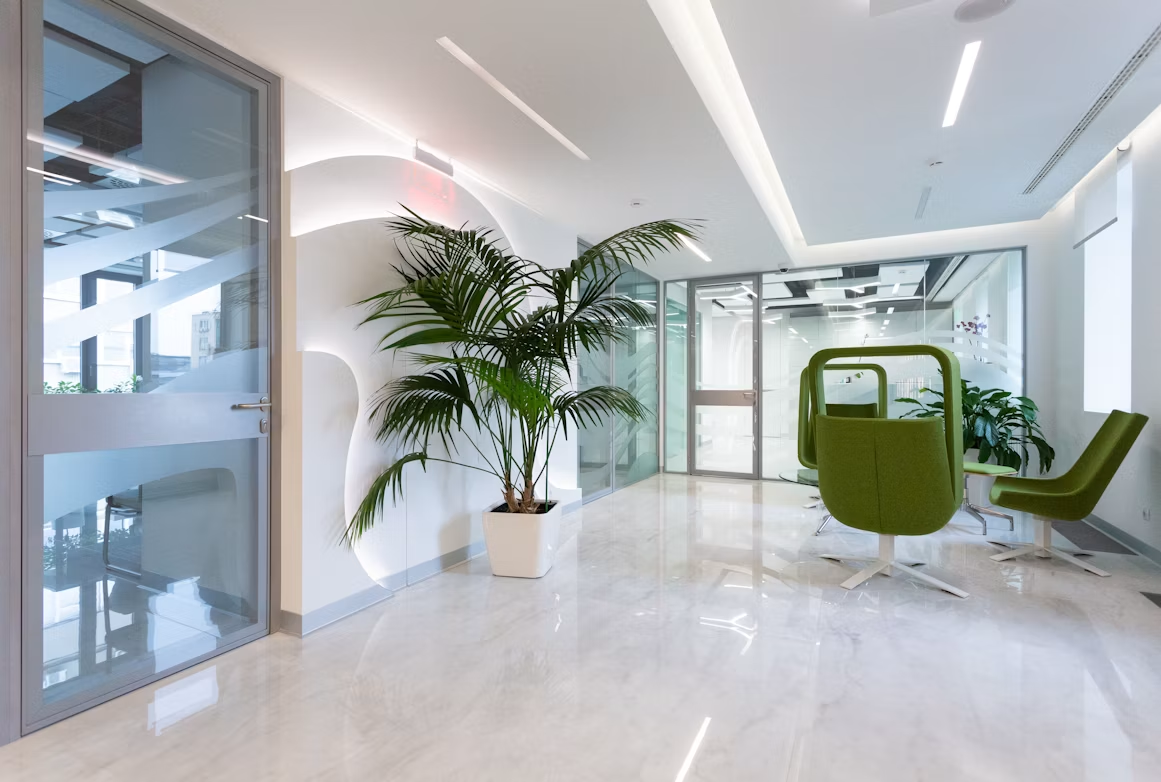
Making your workplace more sustainable isn’t just a passing fad; it’s a smart business move. It can boost your brand, make employees happier, and cut down on costs. You don’t need a massive overhaul to make your office greener. Taking steady steps can really make a difference for both the planet and your bottom line.
Audit Your Current Footprint
You can’t really improve something until you know where you stand. So, the first step to understanding your company’s environmental impact is to do a sustainability audit. This means gathering data on how much you’re using. Start by looking at your utility bills from the past year to track electricity, gas, and water. Check your purchasing records for office supplies, and review your waste management reports to see how much trash you produce compared to what gets recycled. A good audit will help you measure your business’s sustainability and figure out where you can make the biggest changes. Don’t just stop at daily items. If you’re planning any renovations, think about the lifespan of your building materials and how you can divert waste through programs like concrete recycling.
Optimize Energy and Water Use
For most offices, energy and water are two of the biggest expenses and have the largest environmental impact. Luckily, there are plenty of simple ways to use less.
- Lighting: Switch to LED bulbs. They use up to 75% less energy and last 25 times longer than old incandescent lights. Put motion sensors in places that aren’t always busy, like conference rooms, break rooms, and restrooms, so lights don’t get left on by accident.
- Equipment: Turn on power-saving modes for all computers and office gear. Remind employees to completely shut down their computers when they leave for the day.
- Water: Install low-flow aerators on faucets and fix any leaks right away. Even a small drip can waste gallons of water daily.
Waste Reduction Strategies for Offices
Modern offices can create a surprising amount of waste. You can significantly reduce your company’s footprint by putting a good waste reduction plan in place, much like how proper commercial building insurance protects its physical space. The classic “reduce, reuse, recycle” idea is a great guide. First, try to use less paper by making digital documents and communication your default. Encourage employees to use their own reusable water bottles and coffee mugs; you can even provide them at the office to cut down on single-use plastics. Improve your recycling program to include not just paper, but also glass, plastics, and aluminum. Make sure bins are clearly labeled and teach staff what can and can’t be recycled in your area.
Choosing Eco-Conscious Building Materials
When it’s time to renovate, expand, or build a new office, the materials you choose have a long-term effect on the environment. Picking sustainable building materials can mean better air quality, lower energy use, and less waste. Look for materials with a lot of recycled content, like recycled steel or insulation made from recycled paper. Bamboo flooring is another great option because it grows back quickly. Reclaimed wood adds character and keeps old timber out of landfills. Choosing materials from local sources can also lower the carbon footprint from transportation.
Foster a Green Company Culture
Your sustainability efforts will only work if your team is on board. Building a green company culture turns individual actions into a group effort. Start by putting together a “green team” of enthusiastic employees who can lead initiatives and encourage others to join in. Teach your staff about the new policies and why they matter. Make it fun by setting up challenges or giving rewards to the most eco-friendly department. When sustainability is part of your company’s mission and values, it shows a real, long-term commitment. When employees see that leaders are serious about being environmentally responsible, they’re more likely to adopt these sustainable business practices in their daily work.
Ultimately, making your workplace sustainable is an ongoing process of getting better. Every change you make, big or small, helps create a healthier planet and a stronger business.