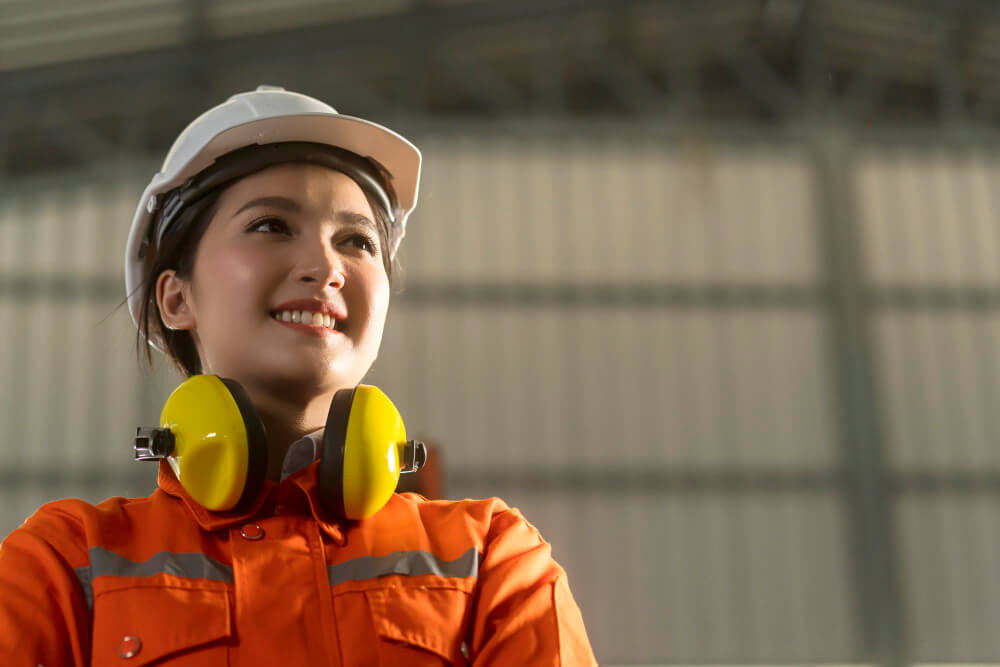
Building safe workspaces is an art and science, and well worth the time and investment. Without proper procedures in place, any business risks employee absence, disaster and even lawsuits. From risk mitigation to emergency preparedness, here are some health and safety suggestions. For businesses seeking expert HR guidance on safety, compliance, and ongoing people management support, partnering with Citation Group can strengthen every aspect of workplace protection.
Practical Security Measures
There is a lot that goes into making a workplace and workspace safe, and you can dive deep into all different aspects. However, the most powerful and immediately visible is practical security that aims to enhance overall safety measures. Working with a company like Ferrari Fence, businesses can secure hazardous sites, prevent theft, and provide employee peace of mind, working to reassure colleagues they are safe while appeasing the HR overlords as well!
Risk Identification and Mitigation
Risk comes in many forms and includes practical safety. It is vital that the workspace is regularly assessed for common risk problems such as loose wiring, slippery flooring and hazardous materials. This also feeds into effective maintenance routines that highlight, evaluate and rectify ongoing safety concerns. A plan must be formulated to address common issues so they can be assessed often, and measures implemented to tackle them within the workplace.
Building Safe Workspaces with Ergonomics
Being comfortable at work isn’t a luxury but a health issue. Around 9% of US workers report serious problems from repetitive strain injury (RSI), which is common for office employees. The benefits of an adjustable desk are well documented, but there is much more to ergonomics:
- Most RSI issues can be avoided by encouraging employees to take regular breaks.
- Proper screen positioning reduced neck, back and eye problems for office staff.
- Small accessories such as wrist pads and cushions reduce musculoskeletal issues.
Workplace safety needs a multifaceted approach, and this includes ergonomics. By addressing issues such as RSI, any business can reduce the influx of hazards and improve productivity.
Preparing for Emergencies
Emergency planning is vital for disaster recovery and continued operations. No one knows what will happen tomorrow, but your business will benefit from being ready for just about anything. Emergency response plans are pivotal for ensuring employees get through a situation without incident, even if it is practicing regular fire drills, which, of course, saves lives. However, there should also be first aid protocols, data backup plans and even terrorist threat guidelines.
The Psychological Aspect
Employees should always feel safe, but we live in a world where even office workers can be gunned down in a mass shooting for no reason. A culture of safety can provide peace of mind to workers and appease some of their reasonable fears. Open communication is a great start, where staff can raise safety concerns. However, you can also offer mental health support for employees who are struggling, and encourage discussion around workplace safety and security.
Summary
Installing practical security measures, such as fencing, helps when building safe workspaces for the security of all employees. It also helps to address ergonomics in the workplace to reduce injury while also ensuring workers feel peace of mind with a secure psychological state.