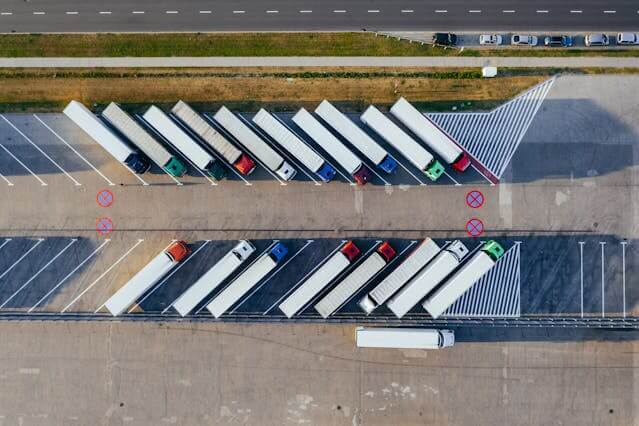
If you are a business owner who manages a fleet of vehicles, then it is likely that you have a huge responsibility on your shoulders, especially when you manage specialized equipment or big vehicles, like trucks. When you are liable for the transport of goods and provide specific services with your vehicles, there is a lot you need to know and do to manage and optimize your fleet.
At the same time, there are a huge number of challenges and risks that you are likely to face. If you want to successfully optimize your fleet, you need to know and understand the risks associated with the work and how you can work towards avoiding big and costly mistakes. It can only take something small, and it could result in some very negative consequences for the business, your employees, or your customers.
To support the management, optimization, and growth of your fleet, here are some of the biggest mistakes you need to avoid.
Not investing in the right equipment
Some businesses do the opposite of optimizing their fleet, and instead, cut corners with the equipment they use to carry out jobs. This can be a huge and costly mistake, as you increase the chances of something going wrong or someone being injured. Instead, you should properly invest in the equipment you need, such as a high-quality and reliable utility trailer.
Ignoring preventative maintenance
If you put off routine maintenance of your fleet vehicles, then you are increasing the risk of accident, injury, breakdowns, and decreased vehicle lifespans. This will mean unscheduled downtimes for the business, which can cost a lot of money. One single vehicle down will cause a negative consequence for the business, let alone a portion of your fleet. While routine maintenance may cost money and time, it will be a lot more effective than having to invest in repairing and replacing vehicles.
Neglecting driver training and communication
The management of your drivers is just as important as the vehicles. The education and the level of communication that your employees need to be considered and taken seriously, not underestimated. There should be regular training and tests to help avoid improper vehicle operation, accidents, and poor morale. Everyone within the business and those who operate the fleet need to be aligned and use the same methods of communication. This will ensure that everything runs smoothly and efficiently.
Poor fuel and route management
The routes that the vehicles take need to be meticulously planned to ensure that there is no unnecessary time and fuel wasted, delays with deliveries and services, fuel theft, and lack of efficiency. This can result in much higher costs, as well as unsatisfied customers, when there are unpredictable delays that cause issues with the specific jobs or services your business is supposed to deliver on. This can then have a knock on impact on your business reputation and the loyalty that your customers have with you.
Managing a fleet is extremely challenging. Make sure you are aware of these pitfalls and avoid them at all costs.