Most businesses don’t really think about waste—until it’s everywhere. That broken chair in the corner? The old printer collecting dust? The stacks of outdated office furniture crammed into storage? They just sit there, sometimes for years, because no one’s sure what to do with them.
Then, when the clutter gets out of control, the usual move is to dump everything in a dumpster. But that’s not always the smartest choice. Dumpsters fill up fast, they cost money, and they’re not exactly great for the environment. The good news? There are easier, smarter, and more responsible ways to handle bulky waste.
Why Bulky Waste Is a Bigger Problem Than You Think
Bulky business waste isn’t just an eyesore—it can cause real issues. Old furniture, equipment, and large items take up valuable space that could be used for more important things. They create safety hazards, making it harder to move around the workspace. And in some cases, businesses could even face fines for improper disposal.
For many companies, the problem isn’t that they don’t want to get rid of the clutter. It’s that they don’t know how to handle it properly. That’s where smart disposal methods come in.
The Right Way to Handle Bulky Business Waste
Instead of just dumping everything, businesses should focus on solutions that are efficient, cost-effective, and environmentally responsible. Here are some better ways to deal with bulky waste:
1. Use a Professional Bulky Waste Collection Service
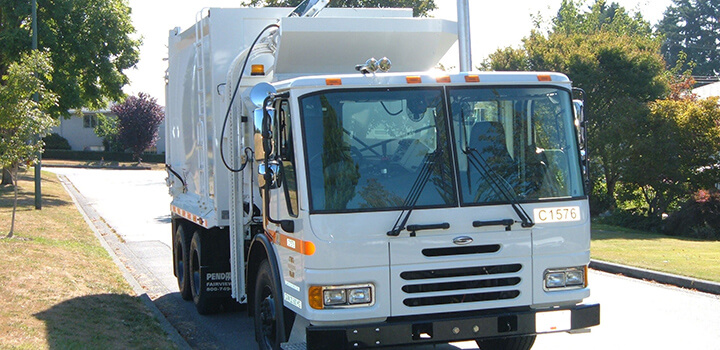
The easiest way to clear out large items is to hire professionals who specialize in bulky waste collection and disposal. Instead of struggling to haul everything away yourself, a collection service does the hard work for you. They ensure that waste is disposed of properly—whether that means recycling, donating, or safe landfill disposal.
This is a great option for businesses that need a quick and hassle-free cleanup, especially if they’re moving, remodeling, or upgrading equipment.
2. Sell or Donate Usable Items
Not all bulky waste is junk. Just because an office chair, desk, or filing cabinet isn’t needed anymore doesn’t mean it has to be thrown away. Many businesses sell old furniture and equipment through online marketplaces or donate them to schools, nonprofits, or startups.
Donation is a win-win. It helps businesses clear out space while giving useful items a second life. Plus, some donations may even be tax-deductible.
3. Recycle What You Can
A lot of bulky business waste is made from materials that can be recycled—metal, wood, plastic, and even electronics. Instead of dumping everything into landfills, businesses should check if local recycling programs or specialized companies can take their unwanted items.
Electronic waste (like old computers, printers, and monitors) should never be thrown in the trash. Many recycling centers or e-waste companies can safely process these materials and prevent harmful substances from polluting the environment.
4. Rent or Lease Instead of Buying
One way to avoid bulky waste problems in the first place is to rethink how businesses acquire furniture and equipment. Instead of buying everything outright, companies can lease or rent items. This means when they no longer need something, they can return it instead of figuring out how to dispose of it.
This approach works well for office furniture, technology, and even industrial equipment. It keeps businesses flexible while reducing waste.
Why Smarter Waste Management Matters
Clearing out bulky business waste the right way isn’t just about keeping things tidy—it has real benefits:
✅ Saves Space – Getting rid of large, unused items frees up room for things that actually matter.
✅ Reduces Safety Risks – Less clutter means fewer chances for accidents, like trips and falls.
✅ Improves Productivity – A cleaner, more organized workspace helps employees focus better.
✅ Protects the Environment – Recycling, donating, and proper disposal keep waste out of landfills.
✅ Saves Money – Avoiding fines, reducing storage costs, and selling old items can all add up.
Many businesses don’t realize just how much their waste is holding them back until they finally clear it out. When they do, the difference is huge.
Making Waste Management a Business Priority
The easiest way to stay on top of bulky waste is to have a plan. Instead of waiting until things pile up, businesses should make waste management part of their routine.
- Schedule regular cleanouts – Don’t wait until the office is overrun with old furniture. A quarterly or annual cleanout keeps things manageable.
- Have a disposal strategy – Decide ahead of time what to do with unwanted items—whether that’s selling, donating, recycling, or hiring a collection service.
- Encourage responsible waste habits – Employees should know where to recycle, how to handle old equipment, and when to request removal for large items.
A little planning goes a long way in preventing waste from becoming a problem in the first place.
A Smarter Approach to Business Waste
Bulky waste doesn’t have to be a hassle. Instead of defaulting to dumpsters and landfills, businesses have better options. Whether it’s using a professional collection service, donating items, recycling, or choosing to lease instead of buy, there are smarter ways to handle waste.
At the end of the day, a clutter-free workspace isn’t just about appearances, it makes businesses run smoother, safer, and more efficiently. So rather than letting unused items take up valuable space, businesses can take action now and keep their work environment clean and efficient.