Creating a work environment that matches your brand’s standards is about more than decoration. It’s about defining how people experience the company at every level from employees and visitors to potential clients. A workspace that feels polished and intentional sends a message about care, quality and professionalism without having to say a word.
Whether the business caters to clients in person or operates behind the scenes, a well-designed environment creates trust and confidence. When team members show up every day to a workspace that looks and feels aligned with brand values, they’re more likely to feel proud and stay motivated.
First impressions and brand perception
Walking into any business space, people immediately form opinions based on what they see. An office with clean reception areas, thoughtful lighting and simple decor communicates that the brand values order and attention to detail. It’s a silent introduction that speaks volumes about how seriously the company takes its image.
Messy corridors, sticky floors or cluttered desks convey the opposite message and can quickly undermine confidence in the brand. A professional atmosphere helps brands feel reliable, consistent and confident.
Employee morale and productivity
Workspaces that are clean, organized and inviting do more than look good–they support better performance. When employees don’t spend their energy navigating clutter or noise, they can focus more clearly on their tasks. That clarity builds efficiency and a sense of calm that encourages higher-quality work.
Inviting spaces with good air quality, natural light and uncluttered layouts promote well-being and reduce fatigue over time. Teams who feel cared for are more likely to treat each other and clients with similar respect.
The role of cleaning services
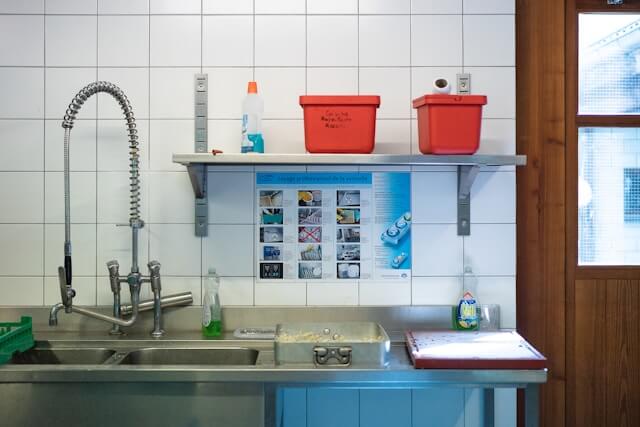
Keeping a workspace consistently clean can be a challenge as companies grow or schedules get busy. That’s where commercial cleaning services add real value. Having professionals come regularly to handle floors, restrooms, shared areas and really deep clean surfaces keeps the space aligned with brand expectations and hygiene standards. For businesses with storage areas or mixed-use spaces, incorporating specialist services such as garage floor cleaning can further enhance overall cleanliness and reinforce a polished, professional environment.
These services can help maintain a level of polish that staff may struggle to keep up with on their own, especially when everyone’s focused on client work or projects. The result is a space that always feels ready for inspiration, collaboration or client visits.
Aligning physical space with brand voice
The aesthetic choices made within an office such as furniture, colours and layout should connect with the message and identity of the brand. A company focused on innovation may use more open layouts, bright accents and communal zones, while a more traditional brand may stick to rich finishes, formal meeting rooms and classic visuals.
Consistency in visual branding across signage, artwork, uniforms or even the office style reinforces brand identity at every turn. When physical space echoes the message online or in marketing, the experience feels cohesive and believable.
Client-facing spaces matter most
If the brand welcomes guests for meetings, presentations or coworking space offerings, those environments are critical. Waiting areas, conference rooms and reception desks form the backdrop for key interactions. Building trust starts with visible care in the space that clients experience. For companies hosting events or client sessions in the city, platforms offering meeting room hire in london can help ensure the environment aligns with the brand’s standards of professionalism and accessibility.
Small details such as tidy refreshment areas, readable signage and accessible power outlets show thoughtfulness that people often notice more than they realize. When every surface looks clean, every lighting plan fits the mood and every soft furnishing feels intentional, clients pick up on that care and feel confident in the brand’s ability to deliver. These design choices tell a quiet story about how the business pays attention, makes decisions and shows up for the people it serves.

Source: Unsplash (CC0)
Customising spaces for team creativity
Different teams have different needs. Design teams might benefit from desk clusters, wall space for brainstorming and flexible quiet zones. Sales teams may do better in areas with modular furniture and small meeting rooms built in. When space is arranged to support specific functions, it shows that each part of the brand has a role and is given what it needs to succeed.
Offering quiet retreats or breakout areas helps people recover focus or gather inspiration as project needs evolve. This same philosophy often extends beyond the office itself, with companies investing in offsite experiences such as company retreats porto to inspire teams in thoughtfully curated environments designed specifically for collaboration, reflection, and renewed energy.
Long-term care shows brand longevity
What happens when space is left to quietly degrade? Peeling paint, broken fixtures or dingy common areas give an impression of neglect. Keeping up with regular deep cleans, minor repairs and cosmetic updates shows that the brand is forward-looking and committed to sustaining quality over time.
A workspace that develops gracefully communicates that the brand is stable, growing and confident in its own identity. That consistency builds credibility and helps attract both clients and talent over the long run.
Sustainability and brand responsibility
More companies are thinking about how their workspace reflects their environmental values. That might include switching to LED lighting, using recycled materials, adding indoor plants or limiting waste in shared kitchens. Small choices like these communicate that the brand pays attention to how its actions affect the wider world, and that message resonates with today’s eco-conscious clients and employees.
Sustainability also supports healthier indoor environments. Cleaner air, better lighting and natural materials all contribute to how people feel at work, which matters for both well-being and productivity. Making these decisions part of everyday space planning can quietly reinforce brand responsibility without needing to say a word.
Maintenance routines that reflect brand care
An office that’s kept in good shape doesn’t happen by accident. Setting up regular maintenance routines shows that the brand doesn’t just care when things go wrong–it’s proactive. That might include checking HVAC systems, updating common furniture or inspecting lighting for consistency and safety.
Scheduling consistent cleanings and building touch-up checklists can keep a workspace looking fresh without requiring large investments. Thoughtful care in how the space is maintained says a lot about how the business treats everything else it manages. When care is visible, trust follows.
A work environment that reflects a brand’s standards is more than decor–it is a living representation of identity and values. When the space feels intentional, comfortable and aligned with the message, it strengthens trust, helps team performance and supports a thriving business at every touchpoint.