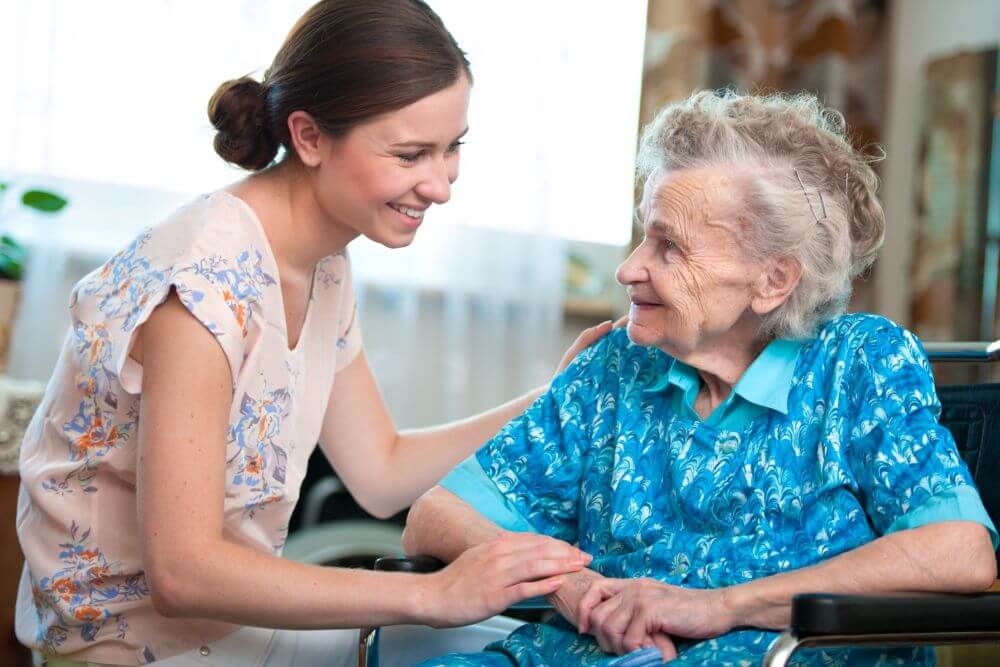
When most people think about caregivers, they imagine someone who visits a few times a week to help with basic tasks. While that’s true for some, there’s another type of caregiver who plays a much bigger role — the live-in caregiver. These are people who don’t just show up for a few hours. They actually live in the home of the person they care for, providing help and support around the clock. It’s a job that’s about much more than just completing chores or helping with medical needs. It’s about building trust, creating a safe environment, and often becoming part of the family.
What a Live-In Caregiver Actually Does
A live-in caregiver’s job can change a lot depending on who they are helping. For some, it’s assisting an elderly person with getting dressed, taking medication, and staying safe around the home. For others, it could mean supporting someone with a disability by helping them cook, drive to appointments, or even join in on hobbies they enjoy.
Because they live in the home, these caregivers are there for both the planned parts of the day and the unexpected ones. If something goes wrong in the middle of the night, they’re already there to help. This constant presence brings peace of mind to both the person being cared for and their family, who know there’s always someone to turn to in case of an emergency.
If someone feels drawn to this kind of role, it’s worth exploring opportunities to join Impactful Home Care as a live-in caregiver. Working with a professional care service can provide training, ongoing support, and a good match between caregiver and client.
More Than Just Physical Help
Many people assume the main role of a live-in caregiver is physical support — helping someone get around, manage daily activities, or handle personal care. While these tasks are important, they’re not the whole story. Live-in caregivers often become a source of emotional support.
Having someone to talk to, share meals with, or simply be present during the day can make a huge difference, especially for people who might otherwise spend long periods alone. Loneliness can have real effects on a person’s health, and caregivers help reduce that by offering steady companionship.
They also help maintain routines, which is important for mental health and stability. For someone with memory problems, a familiar daily structure can bring comfort. For someone recovering from illness, regular reminders and encouragement can speed up recovery.
Building Trust and Respect
The relationship between a live-in caregiver and the person they care for is built on trust. After all, this person is not just working in the home — they are sharing that space every day. That means being respectful of personal boundaries, understanding preferences, and adapting to routines.
Trust isn’t built overnight. It comes from being dependable, showing kindness, and proving that the person’s needs will be met with care. Over time, the caregiver often becomes more than a helper — they become a trusted friend or even feel like part of the family.
This trust works both ways. That’s why having the right training, support, and communication is so important in this field.
The Impact on Families
Live-in caregivers don’t just help the person receiving care — they also have a huge impact on that person’s loved ones. For many families, caring for someone full-time can be exhausting. It’s not just about the time it takes; it’s also about the mental and emotional strain of always needing to be alert and available.
By having a live-in caregiver, family members can step back and focus on being family again rather than full-time care providers. This can improve relationships and reduce stress for everyone involved. It also means family members can trust that their loved one is getting consistent, professional support without gaps in care.
Challenges That Come With the Job
It’s important to be honest — being a live-in caregiver isn’t always easy. The hours can be long, and the work can be physically and emotionally demanding. Living where you work means it can be harder to fully “switch off” at the end of the day.
There’s also the need to balance privacy. Both the caregiver and the person receiving care need personal space, and making that work requires good communication. Without it, misunderstandings can happen.
However, for many caregivers, the rewards outweigh the challenges. Seeing someone feel safer, happier, and more independent because of the care provided can make all the effort worth it.
Why This Role Matters So Much
In many places, there’s a growing need for live-in caregivers. As people live longer, more individuals want to stay in their own homes rather than move into assisted living or nursing facilities. Live-in care makes that possible for many who would otherwise have to leave their familiar surroundings.
This role also helps reduce the strain on hospitals and care homes. By providing one-on-one support, live-in caregivers can help prevent hospital visits and keep people healthier for longer.
The work is personal. It’s not about caring for a group of people in a facility — it’s about giving focused attention to one person’s needs.
Skills That Make a Great Live-In Caregiver
While training can teach the technical side of caregiving, certain personal qualities make a big difference. Patience is essential, especially when working with someone who moves slowly, forgets things, or needs extra time for daily activities. Empathy helps the caregiver understand what the other person is feeling, even without words.
Flexibility is also important because no two days are exactly the same. A plan might change at the last minute if the person isn’t feeling well or has an unexpected appointment. Problem-solving skills help with those moments when something doesn’t go as expected, and quick thinking is needed.
Finally, a genuine interest in people can make the work more enjoyable. The best caregivers aren’t just doing a job — they care about making the person’s life better.
Looking Ahead
The need for live-in caregivers is likely to grow over the next few decades. As families become busier and healthcare needs increase, more people will turn to this kind of care to support their loved ones. It’s a role that requires dedication, but it also offers the chance to make a real difference every single day.
For those who have the right mix of skills, patience, and compassion, being a live-in caregiver can be more than just a job — it can be a calling. Whether it’s helping someone recover after surgery, supporting them through the challenges of aging, or simply providing steady companionship, the impact of this work can last a lifetime.
Key Takeaways
Live-in caregivers are more than helpers; they are a steady presence that can transform daily life for the people they care for.
Anyone considering this career should know it’s about more than just meeting basic needs — it’s about building trust, showing compassion, and creating an environment where someone can live with dignity and comfort in their own home.