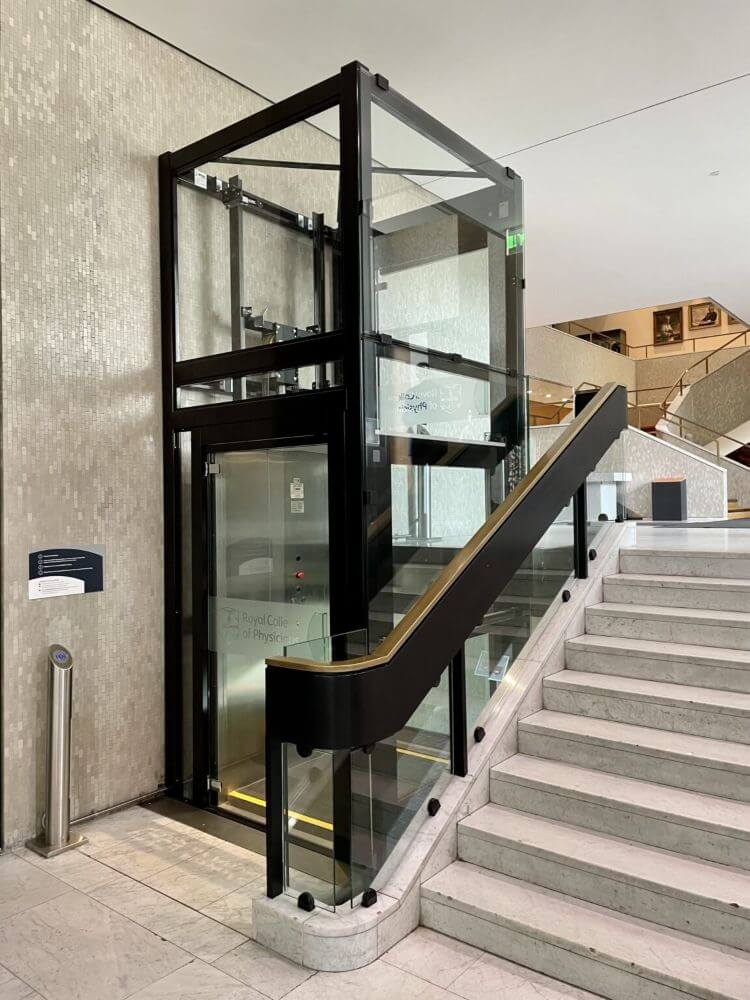
Most buildings weren’t exactly designed with wheelchairs in mind. Walk into any Victorian terrace house or old commercial building and you’ll quickly see what we’re dealing with – narrow doorways, awkward staircases, and floor plans that seem to go out of their way to create barriers. The problem is that when you need to make these spaces accessible, the usual solutions just don’t work.
You can’t exactly install a massive ramp in a Georgian townhouse without completely destroying its character (not to mention where would you even put it?). And don’t get started on trying to squeeze a traditional elevator into a building that was constructed when people thought electric lighting was fancy. These situations call for something different – something that can actually work within the constraints of real buildings.
Heritage structures, cramped shops, and buildings with weird architectural quirks all share the same headache. Standard accessibility solutions assume you’ve got plenty of space, straightforward layouts, and the freedom to make major modifications. Most existing buildings offer none of these luxuries.
Why Standard Solutions Fall Short
Ramps sound simple enough until you do the math. Every inch of height needs a foot of ramp length, which means three steps suddenly require a 24-foot ramp. Try finding space for that in a busy shop or narrow entrance hall. Even when there’s technically enough room, ramps often create more problems than they solve – blocking pathways, looking awkward, or taking up valuable floor space.
Traditional elevators have their own set of headaches. They need machine rooms, substantial structural support, and enough space on every floor they serve. For most older buildings, installing a conventional elevator means tearing apart walls, reinforcing floors, and basically rebuilding sections of the structure. That’s assuming it’s even possible, which often it isn’t.
The frustrating part is that building owners want to do the right thing and make their spaces accessible, but conventional solutions either don’t fit or cost more than the building is worth. There’s got to be a better way, and thankfully, there usually is.
Platform Lifts Work Where Others Don’t
Here’s where platform lifts start making sense. They’re designed to squeeze into tight spots, work around architectural oddities, and provide access without requiring major building surgery. Instead of fighting against a building’s quirks, they work with them.
The compact footprint means you can install them in spaces where ramps would be impossible and traditional elevators wouldn’t even be considered. Most platform lifts need minimal pit depth and don’t require massive overhead clearance, making them perfect for buildings with structural limitations or low ceilings.
When buildings have heritage restrictions or unusual layouts that make standard solutions impossible, experienced platform lift specialists can often find ways to provide access while respecting the building’s character. It’s not about forcing a solution to fit – it’s about finding the right solution for each specific situation.
The installation process is usually much less disruptive too. While elevator installation might shut down parts of a building for months, platform lifts can often be installed with minimal disruption to daily operations. For businesses that can’t afford extended closures, this makes all the difference.
Real Buildings, Real Solutions
Take historic churches, for example. Many have raised altars, gallery spaces, or choir lofts that create multiple level changes throughout the building. Installing ramps for all these areas would require so much space that you’d lose most of the seating. Platform lifts can provide access to these areas without taking over the entire interior.
Split-level buildings present another common challenge. These designs were popular for creating interesting interior spaces, but they’re accessibility nightmares. You might have four or five different level changes throughout the building, each requiring its own solution. Multiple ramps would eat up all the floor space, while multiple elevators would cost a fortune and require massive structural work.
Commercial buildings with mezzanine levels run into similar issues. These intermediate floors often have limited headroom and awkward access points that make traditional elevators impractical. The ceiling might be too low for a standard elevator, but there’s still enough height for a platform lift that can navigate the tight space.
Then there are those buildings that just seem to have been designed by someone with a sense of humor. Stepped entries, sunken seating areas, raised platforms – architectural features that look great but create accessibility barriers. Platform lifts can work around these quirks instead of requiring you to rebuild half the interior.
Getting the Technical Stuff Right
Installing platform lifts in challenging buildings isn’t just about finding one that fits. You need to make sure the building can actually support the equipment, especially in older structures that weren’t designed for additional loads. A proper structural assessment prevents expensive surprises down the road.
Power requirements matter too. Most platform lifts run on standard electrical supplies, but older buildings might need electrical upgrades to handle the load safely. It’s not usually a major issue, but it needs planning, especially in heritage buildings where you can’t just run new cables wherever you want.
Space optimization becomes crucial in tight situations. Some platform lifts fold against walls when not in use, others tuck into corners that serve no other purpose. The trick is finding equipment that works within the available space while still meeting safety requirements and building codes.
Planning Makes All the Difference
The best platform lift installations start with understanding what you’re actually trying to achieve. It’s not just about getting from one level to another – it’s about making the space work for everyone who uses it while respecting the building’s character and operational needs.
Building codes add another layer to consider. Heritage buildings often have specific preservation requirements that limit what modifications you can make, while commercial spaces need to meet accessibility standards without disrupting business. Platform lifts often provide the flexibility to satisfy both requirements where other solutions would create conflicts.
Future needs matter too. Buildings evolve, and what works today might need adjustment in a few years. Platform lifts can usually be modified or even relocated more easily than permanent structural changes, giving property owners more flexibility for future adaptations.
Making It Work for Your Building
When conventional accessibility solutions hit a wall (sometimes literally), platform lifts offer practical alternatives that can adapt to almost any architectural challenge. The secret is working with people who understand both the technical side of installation and the unique constraints that complex buildings present.
Success comes down to proper assessment, realistic planning, and working with specialists who can navigate the technical and regulatory challenges without losing sight of what actually works in the real world. Even the most awkward spaces can become accessible with the right approach – it’s just a matter of finding the solution that fits the building instead of trying to make the building fit the solution.