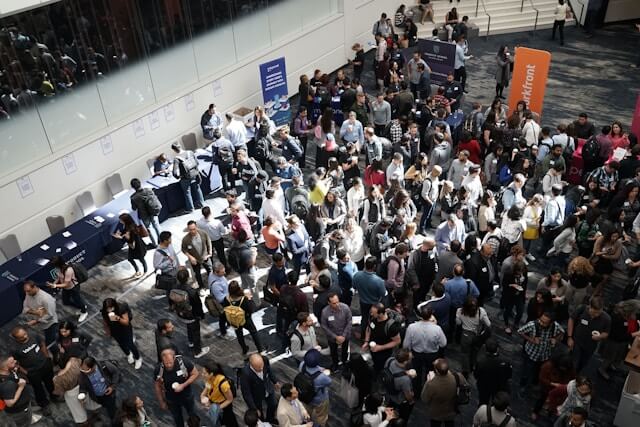
Hands down, hosting a large event is one of the most fantastic ways to engage with the community, raise awareness for a cause, or showcase your brand. Plus, it never hurts just to have an event and just have some fun! It doesn’t really matter too much what these large-scale events are, either.
Whether it’s a festival, a charity concert, a tradeshow, or a convention, there’s a lot to consider to ensure everything goes off without a hitch. Plus, believe it or not, planning a large event is significantly more challenging than you might think (it’s more challenging than planning out a wedding). So, with all of that said, here are some key points to keep in mind when your business is planning a big event.
Location, Location, Location!
First things first, you need a venue. Alright, now that’s really obvious, but this is a large-scale event, so you need to plan accordingly. Basically, the right location can make or break your event. So, you’ll want to consider the size of your expected crowd and choose a venue that can comfortably accommodate everyone.
Another thing to think about would be accessibility. Yes, this is crucial too—make sure it’s easy for people to get to it by public transport and has ample parking. If it’s too hard to get to somewhere, even a large-scale event, people won’t bother! And don’t forget the weather! If it’s an outdoor event, have a backup plan in case Mother Nature decides not to cooperate.
Embracing Tech
Don’t overlook how modern technology can be used to advertise and transform your event. Use ads and hashtags on social media to spread awareness of your event and consider hiring a website design agency to create a dedicated site to direct people to for tickets. The more digital advertising you do beforehand, the more people you will attract.
At your event, you should meanwhile consider how you can use tech to interact with the crowd. Audiovisual consultants can help you set up any screens, microphones and speakers that may be necessary. You could even try getting creative with live social media walls or other digital elements like QR code photo sharing digital guestbooks.
Technology could even be used to improve accessibility to those who can’t physically attend your event – videos of talks or demonstrations could potentially be broadcast to virtual attendees using a private livestream. This may require hiring a camera crew to record the event.
Safety is Everything
Have you ever been to a large event like a convention or even a concert and saw either a tent by the side somewhere or even an ambulance just randomly parked in the front or back? Well, chances are, there isn’t an emergency (hopefully), but instead, it’s event medical services that were hired for the occasion. Having these medical services on site can be important for peace of mind.
Another aspect of safety that can be important is security. If a fight breaks out or someone tries to gain unauthorized access to your event, you need someone who can intervene. There are security companies you can use that can supply security staff to help maintain order at your event.
Crowd Control
Speaking of crowds, managing them effectively is an art in itself. You want your guests to have a good time without feeling like sardines in a can. Actually, depending on where you are, there might be laws about this, so you need to keep that in mind, too.
So, strategically placed barriers and clear signage can help guide people where they need to go and prevent bottlenecks. So, it’s best to just designate specific areas for eating, resting, and entertainment to spread the crowd evenly across your venue.
Plan for the Unexpected
Even the best-laid plans can go awry, yes, it’s awful to think, but you need to prepare. So it’s wise to have contingency plans in place. This could be anything from having extra supplies on hand to dealing with unexpected weather changes. A solid risk management plan can help you respond quickly and effectively to any surprises that come your way.