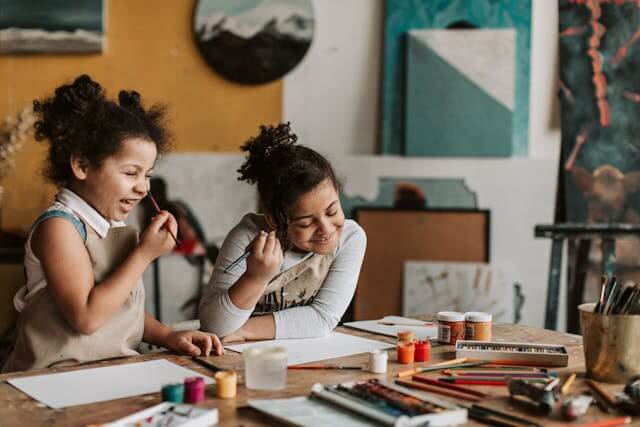
There’s something incredibly humbling about watching a child build a cardboard fortress with nothing more than glue, crayons, and determined perseverance. No hesitation. No self-questioning. Only focused playtime.
Meanwhile, most adults sit in front of their desks, staring at blinking cursors, wondering where their bright ideas have disappeared.
We’ve all been taught, somewhere along the way, that once you grow up, you outgrow your sense of play. Bills, deadlines, and meetings slide right in and push playfulness out of the picture. And honestly, that’s the first mistake many of us make.
Curiosity Without Fear
Children naturally operate from a place of wonder. They don’t care if their crayon drawings make sense. They aren’t concerned about productivity or whether their projects have a clear purpose. They just follow curiosity, and that’s something we can all learn from.
Think about how kids approach something new. They jump in with a stream of questions and not a hint of embarrassment about being wrong. Adults? We hesitate. We doubt ourselves, and before we know it, we’ve convinced ourselves we aren’t “creative types.”
Creativity isn’t exclusive. It’s a muscle. And like any muscle, it grows the more you use it.
No Attachment to Failure
One of the most fascinating things about children is their openness to experimenting. They don’t cling to plans. If something isn’t working, they shift without hesitation. Does their block tower collapse? No big deal. They build another one taller, weirder, better.
Adults, on the other hand, often get stuck. We circle the same frustrating loops, holding tightly to old ideas out of habit or fear. But what happens if we adopt their approach? Suddenly, failure doesn’t seem so scary. It simply becomes part of the process.
In fact, allowing yourself to mess up boldly and dramatically can unlock ideas you didn’t even know were there.
Freedom From Judgment
Here’s where it really gets interesting: kids don’t worry about being judged. They’ll wear a cape to the supermarket without a second thought. They’ll sing loudly and off-key in the middle of the living room. That’s not arrogance; it’s freedom.
Adults, though, are constantly filtering themselves. What will people think? Does this idea sound too strange? Should I play it safe instead? The trouble with playing it safe is that it often leads to dull, uninspired work.
Odd as it sounds, some of the best ideas start by looking completely ridiculous. Kids remind us that it’s okay to loosen our grip on control once in a while.
The Power of Play and Movement
It’s impossible to ignore the connection between physical movement and creative thinking. Children instinctively move while they imagine. They run, jump, tumble, and create, often all at the same time.
It’s no coincidence that some of the best ideas surface during walks or exercise. Even something as simple as watching kids on playground equipment for schools can remind us how naturally creativity flows when we move.
This isn’t about returning to recess; it’s about recognizing that our bodies and minds work best when they aren’t stuck in chairs all day.
Simplicity Brings Delight
And then, there’s simplicity. Children find joy in the smallest things: a cardboard box, a puddle, a handful of beads. They aren’t chasing complexity. They don’t need complicated systems or perfectly color-coded plans to spark creativity.
Adults, however, tend to make creativity far too complicated. We over-research. We wait for “the perfect moment.” But truthfully, some of the best creative work happens when you simply start without overthinking it.
Grab a pen. Open a blank document. Let the words spill out, even if it’s a little messy at first.
Celebrating Small Wins
Another valuable lesson from kids? They celebrate everything. They don’t wait for milestones or polished results to feel proud. A squiggly drawing? Masterpiece. A paper airplane that barely flies? Brilliant invention.
We could all use more of that enthusiasm. Why not cheer yourself on as you go? Finished a rough first draft? That’s worth celebrating. Did you take a small creative risk? High-five yourself.
The more you celebrate along the way, the more you’ll want to keep going.
Staying Present in the Moment
One skill that tends to fade with age is the ability to be fully present. Watch a child building with blocks, and you’ll see that they’re completely focused. They’re not worrying about dinner plans or replaying yesterday’s awkward conversation. They’re fully absorbed in what they’re doing.
That kind of focus is where creativity thrives. When you can block out distractions and fully engage with what’s in front of you, your mind has more room to spark ideas.
Mindfulness doesn’t always need to look like meditation, it can also mean getting lost in something playful and creative.
Keep Asking Questions
Kids also teach us to ask more questions. Why? How? What if? They ask constantly, not to be difficult, but because their minds are wired to seek answers.
Somewhere along the way, many adults stop asking. We settle into routines and familiar habits. But curiosity is where creativity begins. The more questions you ask, the more ideas start to connect.
Try starting your next project the way a child would. Ask five “why” questions before you begin. You’ll be surprised how quickly new ideas appear when you stop assuming you already know everything.
Play Without Pressure
Perhaps the most refreshing thing about kids is that they don’t tie their self-worth to outcomes. They’re not aiming to be “the best” on the playground. They’re not seeking praise or promotions. They do things because they enjoy them.
Adults, however, often put enormous pressure on themselves when it comes to creativity, whether it’s writing, painting, designing, or problem-solving. We expect perfection on the first try.
That’s the fastest way to smother creative energy. Letting go of those expectations can feel incredibly freeing.
Creativity Was Never Lost
So, what’s the lesson here? Watch kids closely, and you’ll see that they hold the blueprint for creative freedom. They’re present, curious, unafraid of mistakes, and completely playful. They don’t need elaborate tools or perfect conditions. They create because it feels good.
Maybe we don’t need some brand-new technique to unlock creativity. Maybe it’s just about getting back to basics, letting curiosity lead the way, staying present, moving more, celebrating small wins, and allowing ourselves to play without worrying about where it leads.
Kids have been showing us how all along.