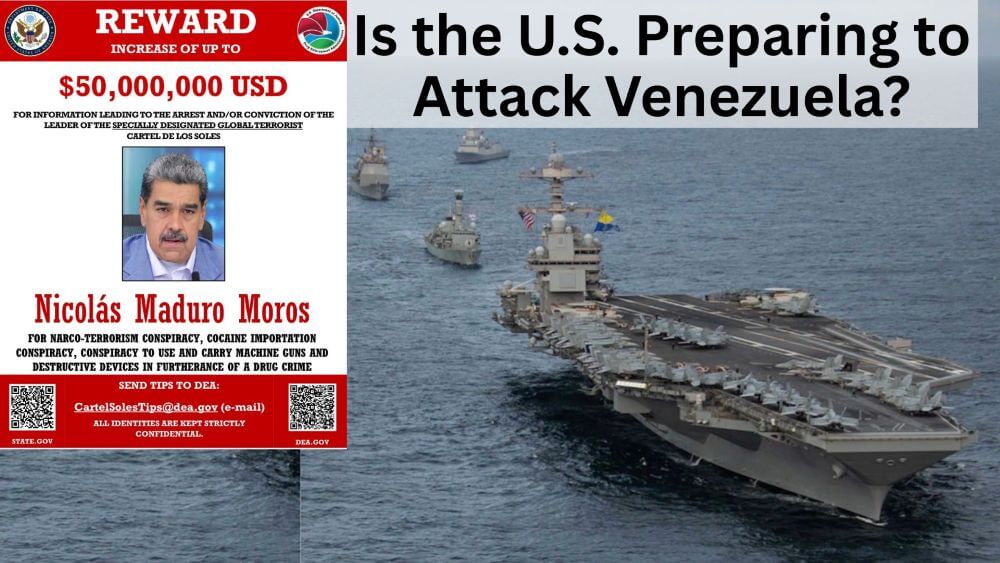
With U.S. warships in the Caribbean, surveillance jets overhead, and Nicolás Maduro facing accusations of drug trafficking and dictatorship, Washington’s next move could change the future of Venezuela — and the balance of power in Latin America.
Introduction
After years of economic collapse and human suffering under Nicolás Maduro’s rule, Venezuela has become a symbol of what happens when corruption and authoritarianism destroy a nation’s potential. Millions of citizens have fled, seeking safety and opportunity abroad. Now the United States appears poised to act, with forces positioned in the Caribbean and intelligence operations expanding across the region. For many, this moment represents not only a chance to hold a brutal regime accountable but also an opportunity to restore democracy, rebuild Venezuela’s economy, and strengthen regional stability.
Why a Democratic Venezuela Matters to the United States
A stable and democratic Venezuela is not only vital for Venezuelans—it’s deeply tied to the interests of the United States. For more than a decade, Venezuela’s collapse has spilled beyond its borders: millions have migrated north, regional trade has been disrupted, and criminal networks have flourished across Latin America. Restoring democracy would help reverse those trends. A legitimate government could rebuild the country’s economy, reduce mass migration, and once again make Venezuela a constructive partner in the hemisphere.
For Washington, a democratic Venezuela also represents an economic opportunity. The country’s vast oil and mineral wealth, once managed transparently, could supply energy to North America and attract billions in investment. With proper governance, both nations could benefit—Venezuela through jobs and reconstruction, and the United States through stable energy markets and safer borders. Supporting democratic transition in Caracas is therefore not just a humanitarian gesture; it’s a strategic investment in regional prosperity and security.
How U.S. Action Could Change the Region
If the United States takes decisive action against Nicolás Maduro’s regime, the ripple effects across Latin America could be significant. A successful transition to democracy in Venezuela would send a powerful signal to other nations that authoritarianism and corruption have limits. It would also reassure democratic governments in Colombia, Brazil, and the Caribbean that Washington is willing to defend stability and human rights in its own hemisphere.
The humanitarian benefits could be just as important. With international support and responsible leadership, Venezuela could begin rebuilding hospitals, restoring its power grid, and reopening its once-thriving oil and agricultural sectors. Millions of displaced Venezuelans might finally return home, easing pressure on neighboring countries that have struggled to absorb refugees. A re-energized Venezuela could quickly become an engine of regional growth rather than a source of instability.
For the United States, that means a safer, more prosperous neighborhood, stronger trade relationships, and reduced illicit activity along the southern border. In short, the success or failure of Venezuela’s democratic rebirth will shape the economic and political future of the entire hemisphere.
The Economic Opportunity Ahead
A democratic Venezuela would unlock one of the greatest economic opportunities in the Western Hemisphere. The country holds some of the world’s largest proven oil reserves, vast mineral deposits, fertile agricultural land, and a well-educated population eager to rebuild. Under honest, accountable leadership, these resources could transform Venezuela from a failed state into a vibrant, prosperous democracy capable of lifting millions out of poverty.
For the United States, the potential benefits are equally compelling. A stable and open Venezuela could become a reliable energy partner, reducing dependence on unstable foreign producers. American companies could invest in rebuilding infrastructure, energy, and technology sectors—creating jobs and trade opportunities on both sides. Legal, regulated commerce would replace the current illicit networks that fuel drug trafficking and corruption.
In the long term, prosperity in Venezuela would mean fewer desperate migrants risking everything to cross borders, and more lawful, mutually beneficial economic exchanges. The U.S. and Venezuela share not only geography but also a future that could be rich in cooperation, innovation, and shared prosperity—if democracy and rule of law take root again.
A Turning Point for the Hemisphere
The potential U.S. intervention in Venezuela represents more than a military maneuver—it could mark a decisive turning point for democracy, stability, and prosperity across Latin America. Removing Nicolás Maduro from power and supporting a legitimate government would not only deliver justice to Venezuelans who have suffered for years, but also restore hope for millions of displaced citizens.
For the United States, it is an opportunity to secure borders, disrupt criminal networks, and foster economic partnerships built on legality and trust. For Venezuela, it is the chance to rebuild infrastructure, revive industries, and reclaim its role as a productive, respected member of the international community.
History will judge whether this moment becomes a catalyst for lasting change or another episode of missed opportunity. But one thing is clear: the stakes are enormous, and the world is watching. A democratic Venezuela is within reach—but only if leadership, strategy, and international cooperation align to seize the moment.