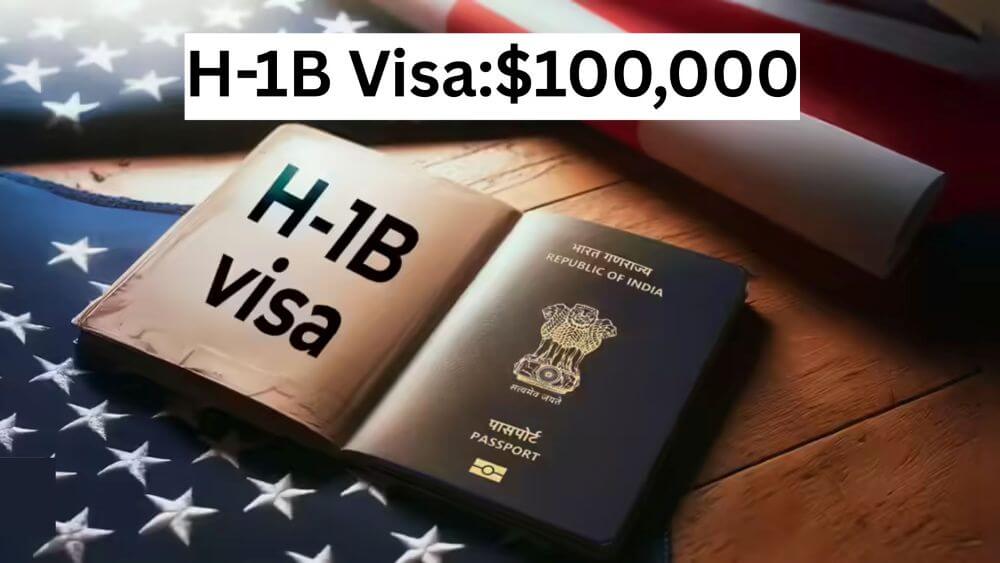
On September 19, 2025, President Donald Trump signed a sweeping executive order that fundamentally reshapes America’s immigration system for skilled workers. The order raises the H-1B visa fee from about $1,000 to a staggering $100,000 per year per worker—a hundred-fold increase.
The stated goal: curb abuse of the H-1B program and “protect American jobs” by making it economically unfeasible for companies to hire foreign workers unless they are truly irreplaceable.
Who’s Affected?
The immediate backlash has been loud and swift:
- Tech giants such as Microsoft, JPMorgan, and Amazon have advised their current H-1B visa holders to stay in the U.S. while they assess the situation. For companies deeply dependent on global talent pipelines, this is a major disruption.
- Indian IT firms, which are among the biggest users of H-1B visas, warn that the fee increase could cripple their U.S. operations.
- The medical sector—which relies heavily on foreign doctors and specialists, especially in rural and underserved areas—has raised alarms that patients may suffer from shortages if hospitals can no longer afford to hire international physicians.
Economists and policy analysts are split. Some say the move could force companies to prioritize training and hiring American workers, while others warn that innovation and competitiveness may suffer if foreign talent is locked out.
My Take: Trump Overshot the Mark
I agree with the idea that the H-1B program needs reform. For years, it has been criticized for being exploited by outsourcing firms and for undercutting U.S. workers’ wages. Raising the fee could indeed force companies to think twice before relying on foreign labor as a cheap alternative.
But $100,000 per year is excessive. At that level, even large corporations will hesitate, not because they can’t afford it, but because the cost far outweighs the potential benefit. This risks choking off valuable talent that genuinely contributes to U.S. innovation and economic growth.
A $10,000 annual fee would have been a more balanced solution. It would still discourage abuse of the program, generate significant government revenue, and encourage companies to hire American workers first—without making the system entirely unworkable.
The Bigger Picture
This policy highlights the Trump administration’s ongoing attempt to redefine immigration as a privilege reserved only for the wealthy or the extraordinary. The “Trump Gold Card” makes that explicit: if you have millions of dollars, you can buy your way in.
But the U.S. has historically thrived not just because of its billionaires, but because it has welcomed skilled workers, entrepreneurs, and dreamers who built the foundation of its economy. By raising the drawbridge this high, the country risks losing out on the very talent that has fueled its growth.
Conclusion:
Trump’s new H-1B visa fee sends a strong message, but it may also send talent, innovation, and opportunity away from the United States. Reform was needed—but this policy feels more like a wall than a filter
Previous opinion posts