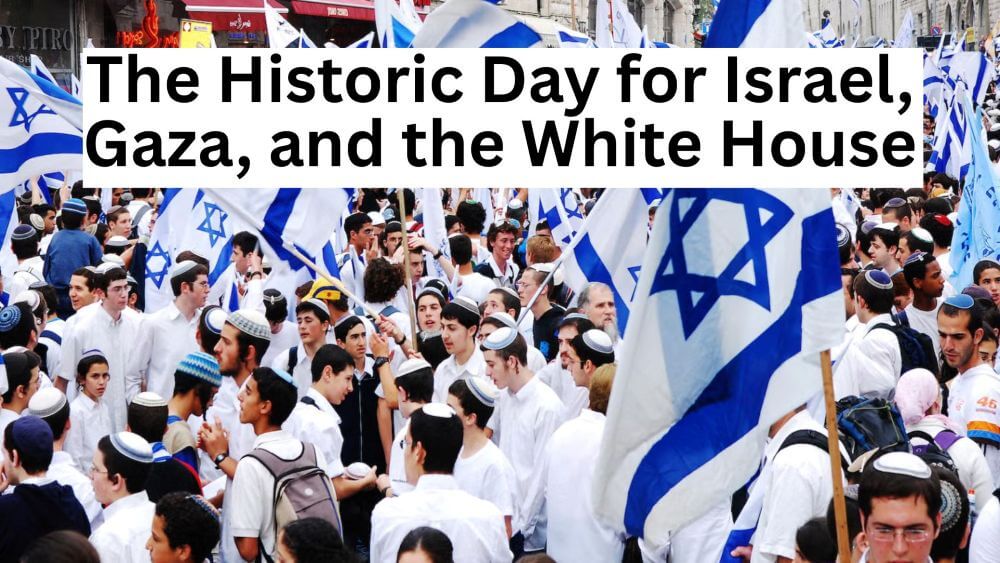
For months, the Middle East had been a cauldron of despair. Rockets, reprisals, hostages, funerals—an endless loop of tragedy. Then, seemingly out of nowhere, President Donald Trump did what so many of the self-proclaimed “experts” and “seasoned diplomats” couldn’t: he pushed both sides toward a ceasefire and a hostage exchange.
It’s one of those moments that reminds us how unpredictable politics can be. A man routinely dismissed as impulsive, divisive, and “unfit for diplomacy” just pulled off the first real breakthrough in the Israel–Gaza conflict in years.
The Moment No One Expected
Even Finland’s President Alexander Stubb seemed astonished when he visited the White House today. Standing beside Trump, he said:
“If someone would have said a few weeks back that you would put us in a position where there will be a ceasefire and exchange of hostages, I would not have believed it.”
That line captured what most of the world was thinking. Nobody believed it could happen—until it did.
Scenes of Relief
Across Israel, former hostages and their families flooded public squares. There were tears, laughter, and long-overdue embraces. In Gaza, civilians took to the streets shouting “God is great,” exhausted but euphoric after months of relentless bombing. Even first responders, who’ve seen nothing but rubble and suffering, paused to celebrate.
For a brief moment, the world exhaled.
But Not Everyone Is Smiling
While Israelis and Gazans are finally seeing light through the smoke, two groups remain conspicuously joyless.
First are the pro-Palestinian protest movements that have dominated Western streets for months. For them, the end of fighting seems to be less important than keeping their anger alive. Their slogans were never about peace—they were about grievance and identity. Now that peace might actually be within reach, they’ve fallen oddly silent.
Then there are the chronic Trump detractors—the pundits and commentators who will twist themselves into knots before acknowledging that Trump achieved something positive. They’ll credit “regional pressures,” “back-channel diplomacy,” or “a lucky alignment of events.” Anything but the obvious truth: Trump took decisive action when others only talked.
You don’t have to be a fan of his rhetoric to recognize effective leadership when it happens.
A Fragile Peace
The ceasefire is still in its early stages. There will be setbacks, arguments, and bad faith from both sides. Rebuilding Gaza will take years. But for the first time in a long time, there’s hope—real, tangible hope.
The challenge now is to make that hope durable. Who will govern Gaza? How will disarmament work? Who pays for reconstruction? These questions remain unanswered, and the world will be watching closely.
Giving Credit Where It’s Due
Diplomacy isn’t about perfection—it’s about results. For decades, the same political establishment has claimed that peace in the Middle East was impossible. Trump just proved them wrong.
It’s easy to sneer from the sidelines, to chant slogans, or to issue lofty press releases. It’s much harder to get two sworn enemies to stop shooting, even for a day. That’s what real leadership looks like—messy, controversial, but effective.
Whether you love him or hate him, the ceasefire in Gaza is a moment to remember. And it didn’t come from a committee, a think tank, or a U.N. resolution. It came from a president who refuses to play by the old diplomatic rulebook.
The critics can debate, the protestors can shout, and the media can spin—but on this day, history records one simple fact: Donald Trump brokered peace where others only promised it.
Previous Politics posts