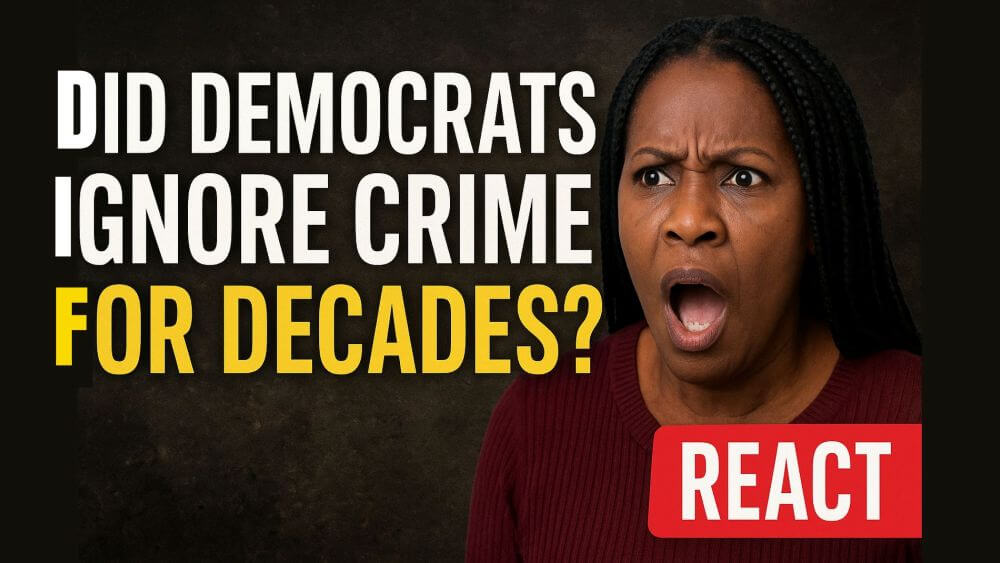
In a raw, unfiltered TikTok video that’s gone viral, a Black woman in her 40s stands on a Washington, D.C. sidewalk, her voice steady but edged with disbelief. “Ever since Donald Trump sent the National Guard here,” she says, “I feel safe for the first time in years. My kids can play outside without me watching every shadow.”
It’s a sentiment echoed in comments from users like Blizz730, who lays it bare: “Nine months in, and people in Chicago and D.C. are saying they feel safe now. What was happening all these years? Decades of chaos, and it takes a flick of a pen to fix it? Something’s not adding up.”
This isn’t just one voice—it’s a chorus growing louder across America’s urban cores. In the nine months since President Trump’s inauguration on January 20, 2025, his administration has delivered undeniable results: borders secured, illegal immigration slashed, and major cities on a path to safety. Yet, the question burning in the minds of everyday Americans, especially in marginalized communities, is this: Why didn’t Democrats act sooner? Why did governors and mayors with the power to intervene choose inaction? The answer, increasingly clear to those paying attention, is that Democratic power structures thrive on dependency, not empowerment. It’s time for a reckoning—and a push toward self-reliance.
The TikTok Moment: A City’s Relief, Amplified
A video, posted by TikTok user @bigdawglexi, captures a turning point. Filmed amid the hum of D.C.’s streets—once a hotspot for muggings and carjackings—the woman isn’t grandstanding for likes. She’s relieved. “Finally able to chill at a red light with my windows down, not worried if one of them young n—as is coming,” she says, smiling before letting out a contented sigh. “Riding through the city, feeling more safe than I ever felt.” Blizz730’s thread dives deeper, questioning the local police, state officials, and years of unaddressed violence. “Fix it, Jesus,” she pleads, but her real call is for accountability.
This isn’t isolated. Social media is flooded with similar stories. In D.C., residents report families picnicking in Lincoln Park—kids on scooters, no fear of drive-bys—thanks to the National Guard’s presence. One Chicago woman publicly begged for federal intervention: “Send the Guard here next. We’re dying out here.” These aren’t scripted testimonials; they’re raw gratitude from communities long ignored.
Trump’s Nine-Month Miracle: Results That Speak Louder Than Rhetoric
President Trump promised action on Day One—and delivered. On August 11, 2025, he declared a “crime emergency” in D.C., federalizing the Metropolitan Police and deploying 800 National Guard troops. Critics called it overreach, but the numbers tell a different story. Within the first month:
| Crime Category | Pre-Deployment (July 2025 Avg.) | Post-Deployment (Aug-Sep 2025) | Change |
|---|---|---|---|
| Robberies | 250/month | 119/month | -52% |
| Carjackings | 40/month | 25/month | -38% |
| Homicides | 15/month | 0/month | -100% |
| Violent Crime Overall | Baseline | N/A | -40% |
Data from D.C. Metropolitan Police and federal reports. Overall, reported crimes dropped 18% in the first 30 days compared to the prior summer period, with thefts inside vehicles down 29%. Trump himself toured the revitalized capital, noting, “Washington, D.C. is now a very safe city… Everything looked nice.” Residents agree: “I feel safer… More inclined to go downtown,” one told reporters.
The momentum didn’t stop there. Trump expanded to Memphis (homicides down 25% year-to-date) and Portland, with Chicago next on the list. Nationally, violent crime plunged 17% in the first half of 2025, with gun assaults down 21% and carjackings 24%. Homicides in major cities like Baltimore and St. Louis hit 50-year lows. As Blizz730 put it: “All it took was the flip of a pen.”
The Indictment: Why Democrats Let Crime Fester
Democrat governors and mayors—helming cities like Chicago, D.C., and Baltimore—had the tools. They control police budgets, state troopers, and local ordinances. Yet, for years, they opted for “reforms” that prioritized optics over outcomes: defund-the-police rhetoric, cashless bail, and early releases that cycled offenders back to streets. In D.C., violent crime spiked in 2023 despite falling nationally, with carjackings nearly doubling. Chicago’s homicide rate, while down from peaks, remains a national disgrace—yet Mayor Brandon Johnson blamed “systemic issues” instead of deploying resources.
Critics like California Gov. Gavin Newsom deflect: “Crime’s worse in red states.” But data debunks it—party affiliation barely sways crime rates; it’s policy that matters. Democrats’ sanctuary policies shielded criminal illegal immigrants, costing billions in taxpayer-funded housing and straining hospitals. Why? Because chaos breeds votes. Marginalized communities—disproportionately Black and Latino—stay locked in a cycle of struggle, reliant on handouts like expanded welfare, not pathways to prosperity.
It’s not malice; it’s math. Self-reliant neighborhoods vote on results, not promises. Thriving families demand schools, jobs, and safety—not perpetual aid. Democrats’ “compassion” keeps power intact but people trapped. As one X user noted, “They defend murderers and criminals. I’ll always defend the American people.”
Breaking the Cycle: Self-Reliance Over Handouts
The real tragedy? These communities know better. The TikTok woman didn’t credit “social programs”—she credited boots on the ground. When Trump federalized D.C. policing, locals didn’t riot; they thanked the Guard. In Memphis, Black residents posted videos: “Finally safe after years of nothing.” Self-reliance isn’t a buzzword—it’s survival. Trump’s model—enforce laws, secure borders, empower locals—frees people to build wealth, not beg for scraps.
Democrats now scramble, dusting off “tough-on-crime” playbooks from the ’90s. Too late. Voters see through it. As Blizz730 demands: “Hold them accountable for all the years this was allowed to continue.”
A Safer Future Starts Now
Nine months in, Trump’s America is safer, stronger, and more sovereign. Borders aren’t sieves; cities aren’t war zones. The question isn’t if marginalized communities can thrive—it’s when they demand leaders who bet on their potential, not their pity.
To the woman in the TikTok: You’re not alone. To Blizz730: You’re right—something wasn’t adding up. But now? It does. And it’s adding up to hope.
What do you think? Share your stories below—have you seen the change in your city? Let’s build on this momentum.
Previous Politics posts