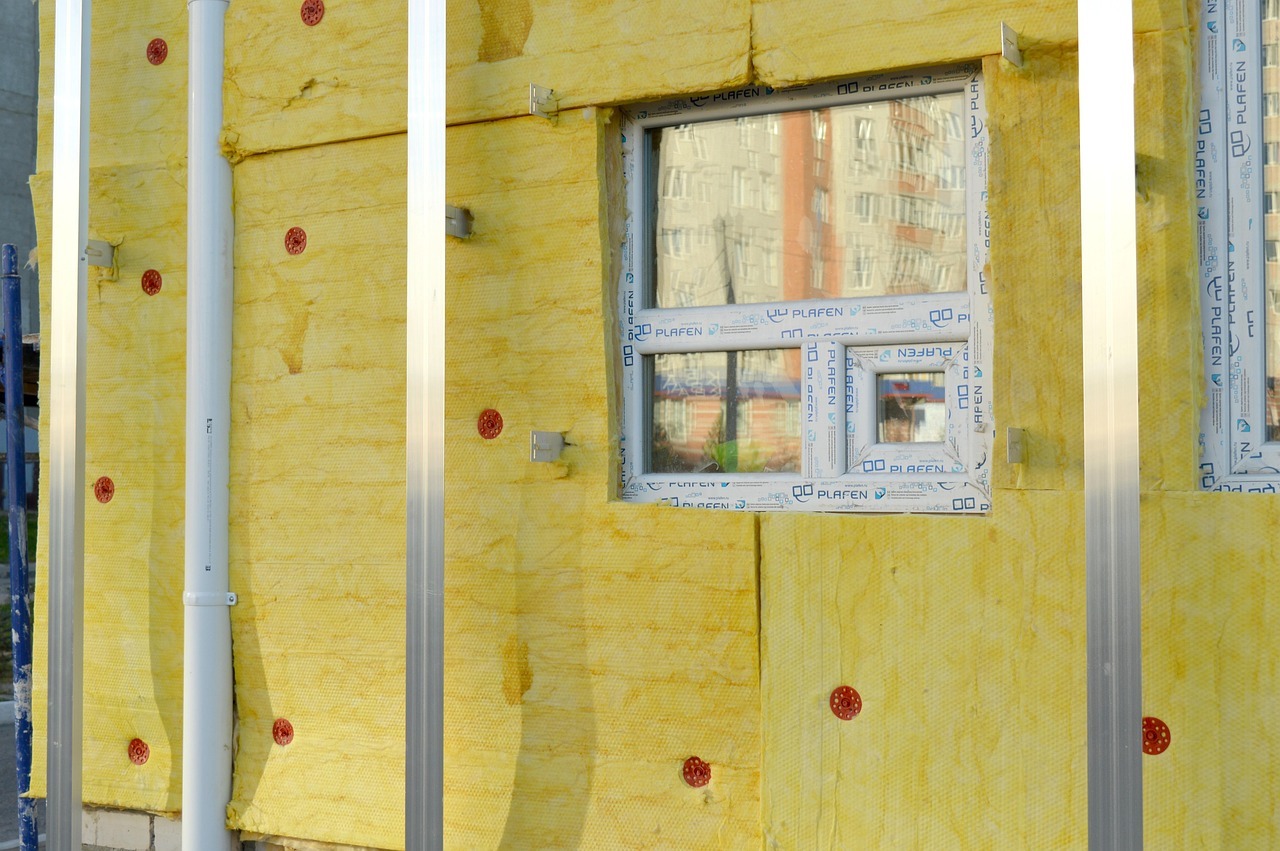
You know your home needs new insulation. Your energy bills and the increase in temperature fluctuations and drafts are signs that it’s time to upgrade or look at new options and insulation suggestions for your home.
But before you jump in headfirst, be it by using expert contractors such as Insulation Commandos or going down the DIY route. It’s easy to understand some of the things people often get wrong, so you can avoid the same mistakes. Because honestly, the last thing you need is to have new insulation only to find it’s the equivalent of wearing a winter jacket with a broken zip. Sure, it keeps you warmer, but the cold is still getting in, and the heat is escaping your body fast.
The Gap Problem
One of the most common mistakes when installing insulation is gaps and air leaks. In fact, around 80% of homes have significant air leakage issues.
Your insulation needs to fit your home like it was designed this way. It needs to fuse to the building, slotting into gaps and spaces naturally to create an effective barrier and seal.
The typical locations for this to occur are around outlets, plumbing installations, where walls meet ceilings, and around ductwork and wiring.
For those DIYing insulation, caulk, or expanding foam, prior to installation can reduce leak.s
Picking the Wrong Insulation
Again, something that happens far too often is opting for the wrong insulation for your home. Working with contractors can reduce this risk, but it’s important to listen to advice and do your research too.
It’s not a one-size-fits-all kind of job, and some materials aren’t designed for certain homes or environments.
For example, fiberglass batts are cheap and easy to install. But they don’t work well in crawl spaces or damp basements. And if they get damp, you can expect mold to grow, performance to drop, and suddenly you’re back to square one.
You need to match the insulation material to the space you’re using it so you can get the most benefits.
Not Installing Enough
Insulation will only work efficiently when you install the right amount. And this is something that is completely common in older homes. The Department of Energy recommends that attics have insulation within the R-38 to R-40 range. The R value is the measure given to a material that resists heat flow. The higher the number, the better the performance.
One thing later won’t meet anywhere near this value to its vital that you know the R-value of the type of insulation you’re using, so you can avoid this mistake.
The Compression Issues
Here’s something many people don’t realize. Compressing your insulation too much makes things worse.
Why?
It’s the trapped air that blocks heat movement. And when you cram your insulation into tight cavities or jam too much into a wall, for example, those air pockets get crushed and the R-value drops. Your insulation should fill the space, not be forced into it, and this mistake is simply going to render your insulation less effective over time.