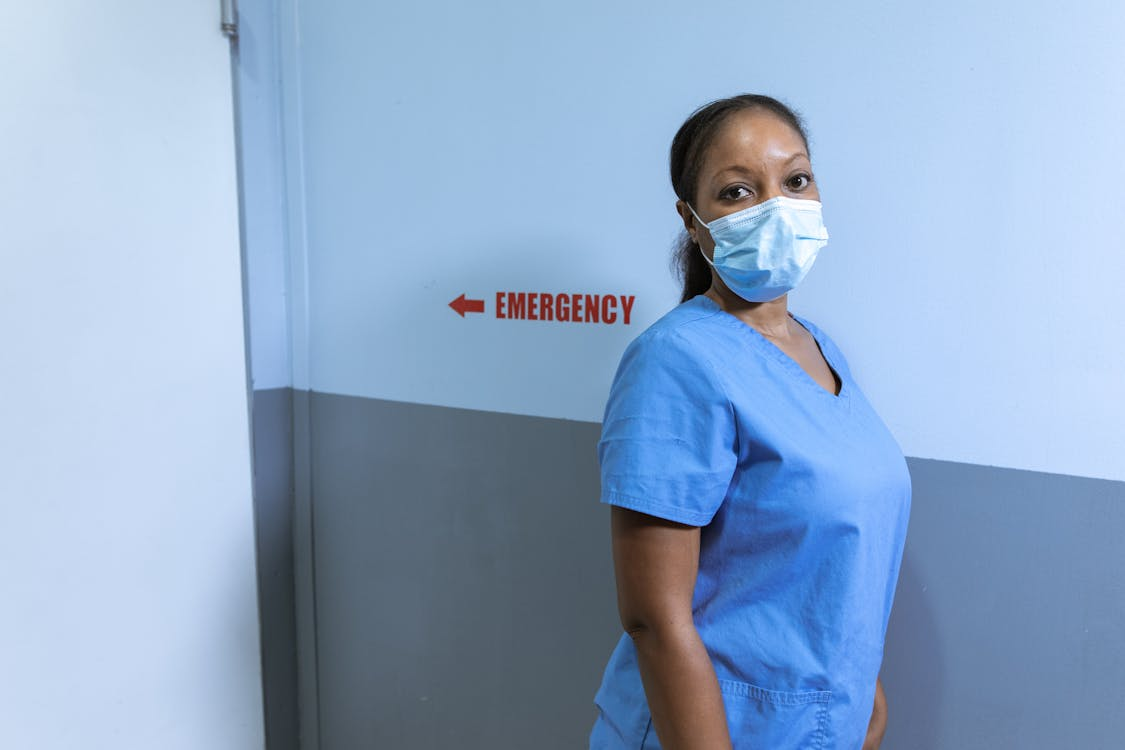
When you’re considering a new career path, it’s always important and worthwhile to consider what, exactly, matters to you most about the work that you do. A career path that suits you isn’t just about the skills that you bring ot the table, but your values and the things that you would rather be achieving every day you step into your role. For some people, being able to play a direct, helpful role in improving the lives of others, or keeping them safe, can be just as meaningful as any paycheck. As such, here, we’re going to look at career options that can appeal to the caring and helpful side of you.
Care Worker
If you enjoy helping people in their daily lives, then the life of a care worker might be the right place to start. It’s one of the options here that requires the least work in terms of building up your qualifications, but it can have tremendous meaning when you’re assisting people such as the elderly, disabled, or those who are recovering from weakness. Carers take care of their needs, such as providing personal care, assisting with medication, meal preparation, and providing companionship for those who can frequently find themselves vulnerable to isolation. Whether you work in care homes, community centers, or in the private residences of the people that you help, it’s a good role for the compassionate and patient, but it can also be quite a demanding job.
Business Consultant
While many of the paths we will be looking at do involve working with the vulnerable or needy, that’s not the only way that you can help. If you have a lot of corporate experience or you simply have an area of expertise that could serve the needs of others, then helping organizations solve problems as a business consultant could be a move for you, as well. Consultants typically come in to help businesses spot-check certain issues, whether it’s identifying workflow inefficiencies, developing marketing strategies, or improving data-driven decision-making throughout. Aside from expertise and experience in your field of choice, strong analytical skills and communication abilities are crucial to make your expertise fit the needs of the businesses you work with.
Nursing
One of the most widely recognized and respected professions that sees you helping those directly in need, nurses play a vital part in patient care across the medical sector. They work alongside doctors and healthcare teams, monitoring conditions, carrying out treatments, and supporting patients with in-depth care throughout their recovery. The job does require strong clinical knowledge, earned through formal education, but aside from your medical responsibilities, you will be providing emotional assurance and some education to the patient and the family, meaning that empathy, the ability to remain calm in stressful situations, and good communication are all just as important. It’s not an easy job that anyone can do, but it can be very meaningful indeed.
Personal Trainer
If you’re interested in the health and well-being of the people that you work with, but you don’t want your work to be quite as medical in its focus, then improving the fitness and confidence of individuals as a personal trainer might be the right option. This involves working with clients, either one-on-one or in group settings, developing tailored exercise programs to meet goals such as weight loss, strength building, injury recovery, and the like. Personal trainers also typically include education on nutrition basics and healthy lifestyle habits to ensure a comprehensive improvement to the lifestyle of those they serve, and typically work in gyms, wellness centers, as well as online.

Therapist Or Counselor
While many of the careers mentioned here focus on helping people with their physical concerns, there is a great need for emotional, psychological, and behavioral help, as well. Finding a counseling or therapy job can see you do just that, working with individuals, couples, or families, and helping them address issues like stress, anxiety, depression, trauma, relationship difficulties, and more. Depending on the type of counseling you do intend to offer, this can require a significant amount of training and formal education, as well as listening skills, empathy, and dedication to professional principles such as confidentiality. Therapists tend to work in private practices, or in healthcare settings, schools, or community organizations, with plenty of room for specialization in the type of techniques you use or the clients that you work with.
Occupational Therapist
Similar to personal trainers, occupational trainers get hands-on with clients to address their physical needs, but their services are more aimed at helping them recover from illness, injury, and disability to be able to perform everyday activities. Healthcare events can deeply affect the daily living of people, and occupational therapists address this either by providing exercises to strengthen the parts of the body that help with their daily activities, or by teaching new ways to perform tasks, be it with assistive equipment, modifying home environments, or otherwise. Aside from medical knowledge, this career benefits from a creative approach to strategizing and helping people find new ways to live independently.
Social Worker
There are plenty of families and communities that face challenges, be they social, emotional, or financial. Social workers are there to help them, often by working with them to access needs such as housing, healthcare, financial assistance, or education. It can be a very demanding career, as it involves working with some of the most vulnerable people, such as children in need of protection, individuals experiencing extreme poverty, or people dealing with mental health issues. The role can involve becoming an advocate for those you meet, managing their case, and finding means of direct support through government programs. Social workers also tend to collaborate with schools, healthcare providers, and government agencies. The job can be emotionally draining, so a degree of resilience and dedication to helping is required.
There are plenty more careers that can see you playing the role of helper, ensuring that others are not being dragged down by their problems, but the above examples might be a good place to start.
Leave a Reply