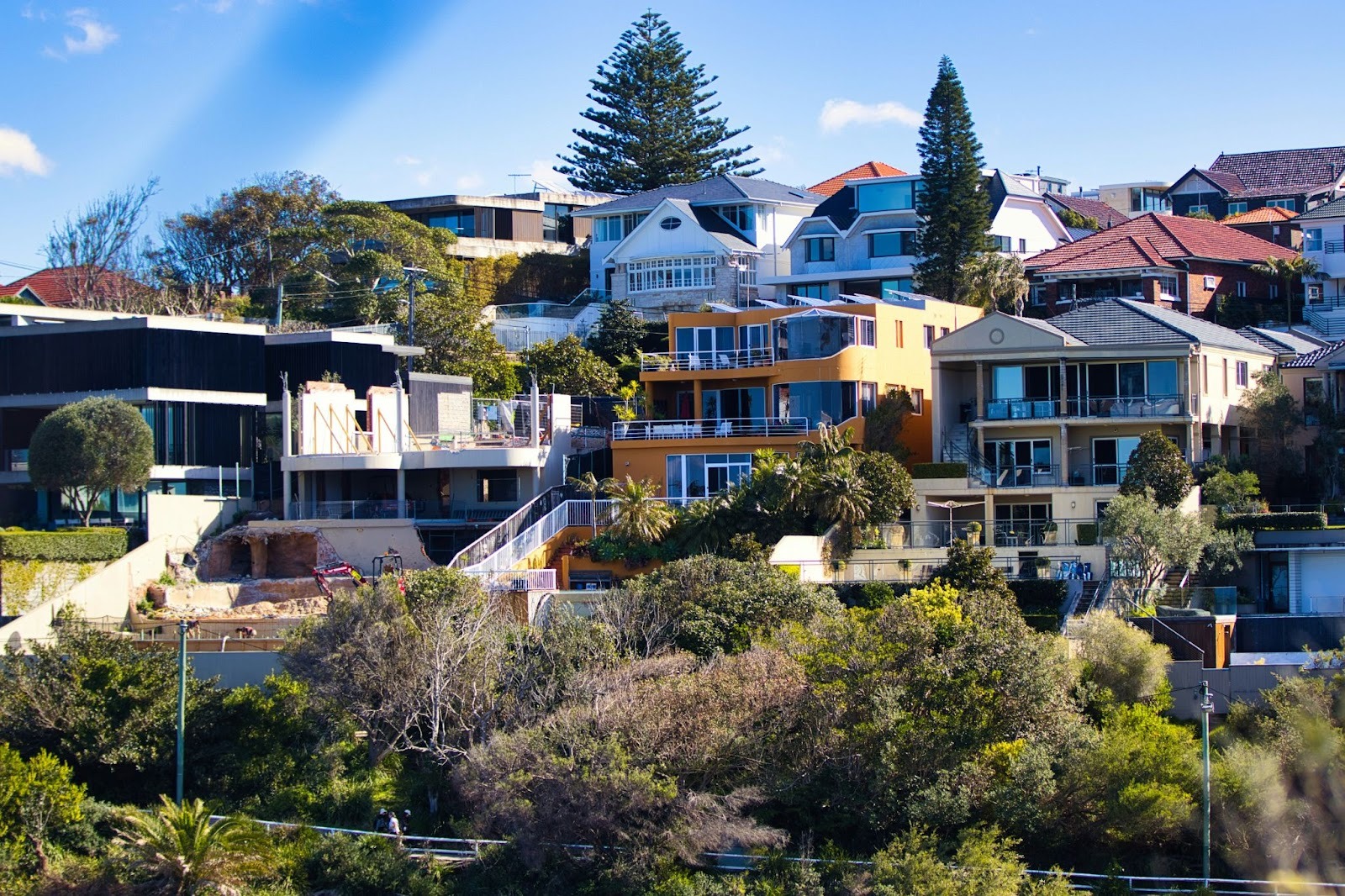
When owning property, it’s important to choose the right investment type based on your needs and requirements. Coastal properties offer a lot of benefits and perks that many are swayed by when it comes to choosing a property by the sea.
However, there are hidden forces that are shaping coastal property values, which might make you think twice about the property you choose to buy, especially when it comes to coastal properties.
There are several significant factors to think about when it comes to coastal properties, so let’s dive into what contributors are shaping the future property values of coastal properties specifically.
Physical and structural factors
While they’re intended to protect individual properties, seawalls can often accelerate beach loss for a neighborhood. That can, in turn, decrease the value of protected and nearby homes.
There are additional expenses that come about when investing in coastal property, like the dredging cost of a property. There might certainly be structural worries when it comes to the land where the property is located.
Vertical land movement, like groundwater extraction, can cause land subsidence and, in turn, can cause lower property values to come about. Other development decisions, like land-use and the availability of protective infrastructure, are also something that can directly influence property values and market trends.
Climate change and natural hazards
It’s no surprise that more and more people are worried about climate change and the frequency of natural hazards that seem to be occurring more and more so.
Coastal erosion with the direct physical loss of land can be a major factor that lowers the value. Increased storm intensity could also come into play. This can also do damage to the local economies and for a future risk that lowers property values.
With coastal areas being more at risk of natural disasters, there’s always a worry that these properties would be the first to go when climate change takes a turn for the worse.
Economic and policy influences
The local economy and policies that are brought into the fold can also play a key role in how coastal properties are valued.
For example, the use of government subsidies can often inflate property values. It mitigates erosion, but while these programs, like beach nourishment, seem like a good idea, in the long term, they might not be so great.
Tax incentives are also great for further contributing to higher coastal property values. Federal tax incentives often counteract the effects of environmental risks, too.
A shift towards higher-income owners who are more willing to pay for coastal amenities can also delay the impact of rising sea levels, particularly on property values.
While coastal properties are a beautiful sight for many and therefore become a big part of why people purchase them, it’s also beneficial to weigh up the pros and cons properly before deciding on the property you’re spending your money on.
Any investment property is likely to perform well, but with coastal properties, there are risk factors that need to be considered.