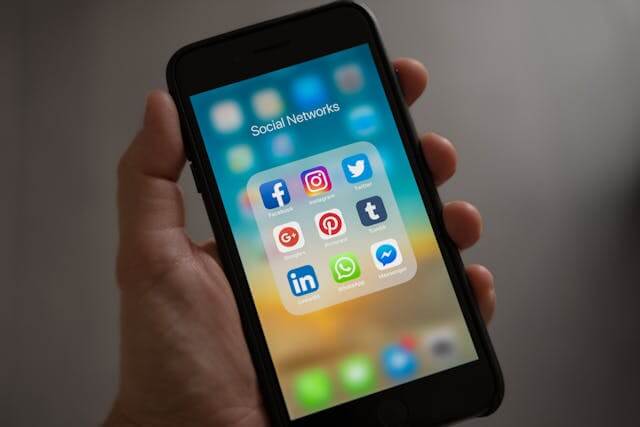
There’s a problem we all have, even if we don’t realise it, and that’s the fact that modern life is all about connection. Of course, connection is good for us, but when it becomes too much, like it does with all the phones, emails, messages, notifications, and so on, it becomes impossible to switch off – there’s always something else to look at and respond to. That’s exhausting. And we’re told that being reachable 24/7 is convenient and efficient, but more often than not, it’s draining, and it takes away our focus, creativity, and peace of mind. With that in mind, keep reading to find out more about the hidden cost of always being connected.
When Connection Turns Into Clutter
Every ping, notification, and alert is something that demands – and that’s the right word for it – our attention, even if it’s just for a second. And it might not feel like much, but the fact is that every interruption disrupts our concentration, and it can take a while to refocus – when you add all that time up over the day, you’ll see how much you can lose.
The result is mental clutter. You’ve got too many open tabs, unread emails, and half-finished tasks, and they just create a constant background noise that’s really hard to get away from. You might think you’re being busy, but the truth might be that you’re overstimulated and not actually getting as much done as you think.
And then there are old files, unnecessary emails, lots of junk data, and so on, and it all takes up storage and mental energy. One option could be to use a spam cleanup for your emails, and that could immediately remove a lot of the issues and give you a lot of relief right away.
The Pressure To Always Be On
There’s also a social side to being connected all the time – you’ll generally want to reply right away to messages, and of course, work emails don’t automatically stop after 5pm. Even weekends feel busy because there’s always a feeling that you might be missing something if you’re not on all the time.
But the problem is that it’s just not sustainable to always be available, and if you’re blurring the boundaries between work and rest and everywhere becomes a workspace rather than a sanctuary, that’s going to lead to burnout – you just never get to stop.
People are starting to notice this and they’re encouraging their employees to set limits and use communication tools better, and that could be the start of a move in the right direction.
Learning To Disconnect Without Falling Behind
It’s hard to disconnect these days because you’ll often feel you’re going to get left behind and miss out on something important, but the reality is that turning off non-essential notifications, giving yourself strict ‘no phone’ time, and so on, can really help and give you a chance to re-set.
Final Thoughts
It’s true that staying connected has its benefits, but if you’re always connected you’ll have a problem – you’ll be distracted, exhausted, and your mental health could easily suffer. So take care when you’re using technology and don’t over do it, and you’ll find you feel a lot better as a result.