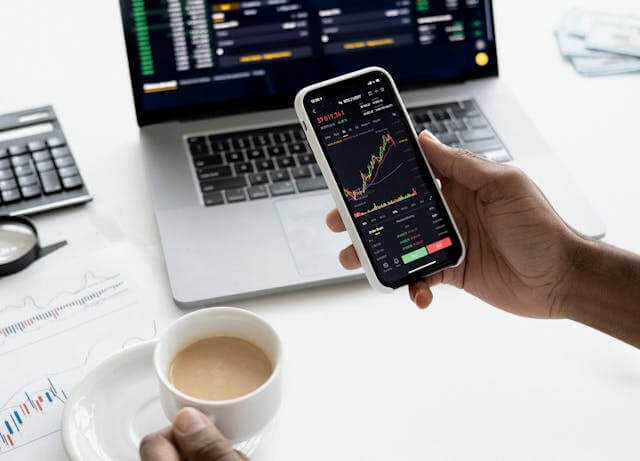
Managing your money is about more than saving and spending. If you decide to trade stocks or other investments, understanding risk is key. Many people focus on the idea of making money, but keeping your money safe is just as important.
Anyone can start trading now. Apps make it easy, and there is no need for a big starting balance. But before you place your first trade, take a moment to learn how to protect yourself.
Know What You Can Lose
Every trade carries risk. Prices can go up or down quickly. Even the safest stocks are not a guarantee. Before you trade, ask yourself how much money you are willing to risk.
Many smart traders set a limit, such as never risking more than one or two percent of their total account on any single trade. This way, even a losing streak will not wipe out your savings.
Use Stop-Loss Orders
A stop-loss order is a tool that automatically sells your investment if the price falls below a certain level. This is one of the simplest ways to manage risk. It stops small losses from growing into bigger problems.
You can set a stop-loss for any stock or asset you buy. Decide in advance how much you are willing to lose, and let the tool do the rest. This takes some emotion out of trading.
Think About the Risk and Reward
Ask yourself one question before every trade. Is the possible reward worth the risk? This helps you avoid bets where you could lose a lot just to gain a little. Many people use a risk-reward ratio to check if a trade makes sense.
A good ratio is to aim for trades where your possible gain is at least two or three times what you risk. Even if you do not win every time, this keeps your overall results positive.
Spread Out Your Trades
Putting all your money into one stock or idea is risky. If it goes down, you lose a lot. Spread your investments across different companies, industries, or even types of assets. This is called diversification.
Diversification helps protect your money. If one trade goes bad, others may do well or stay steady. You do not need dozens of trades, but even three or four can help lower your risk.
Learn About Trading Tools
Technology can make trading safer and easier. There are many tools that can assist you in your trading.
These range from simple calculators to advanced apps that track prices, set alerts, and even help you test new ideas.
Start with tools that match your level, everyone is going to be different. For beginners, apps with simple charts and basic alerts are enough. As you gain experience, you might try more advanced features like automatic trading or using things like risk calculators.
Conclusion
Managing risk in trading is simple if you take a few steps. Use stop-loss orders, think about risk and reward, and spread out your trades. Use this post to learn about some of the most important considerations before you start trading. Have you just started to trade? What have you learnt so far?