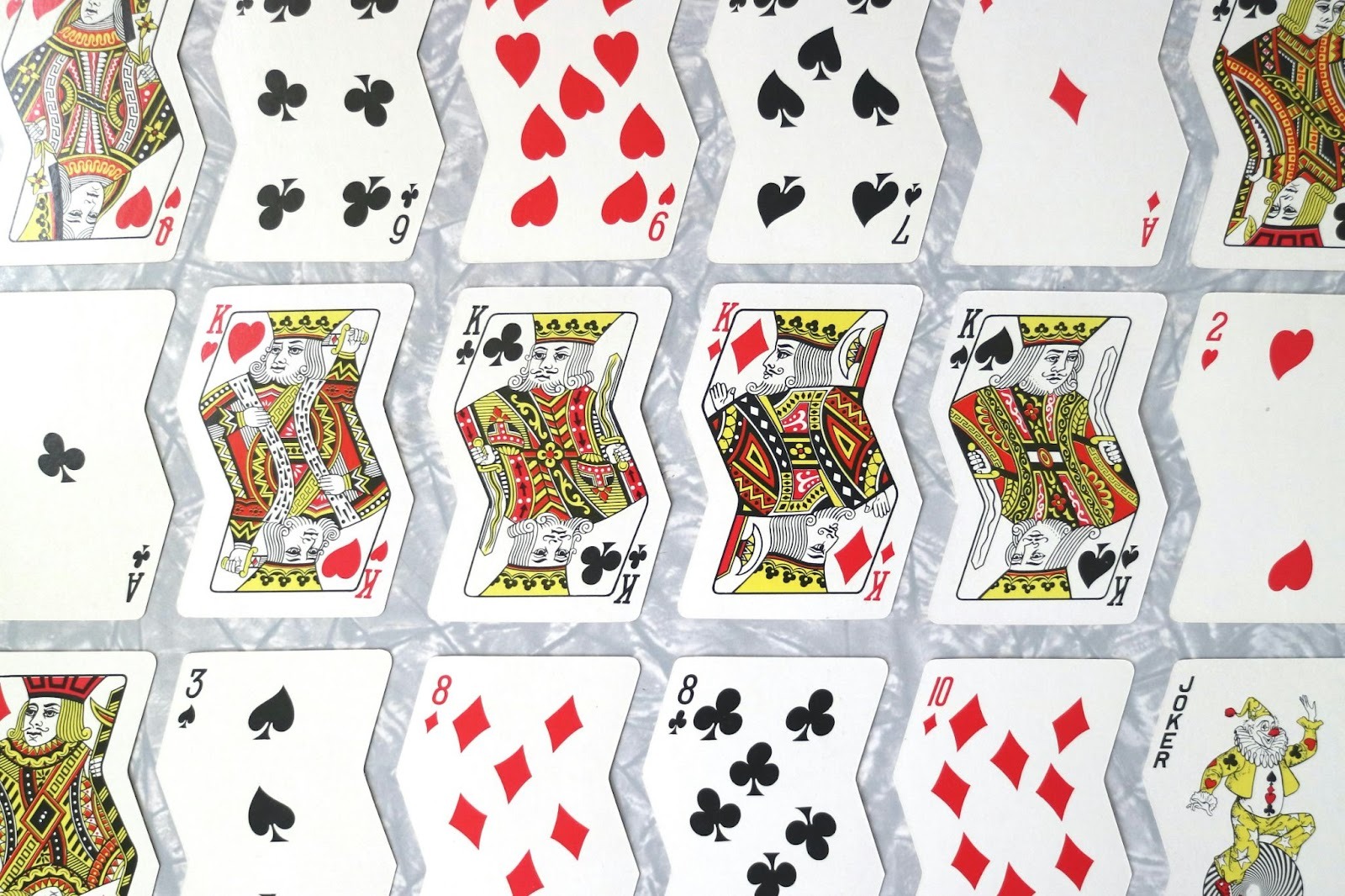
Card games have hooked players for centuries, transcending cultures and boundaries. But thanks to technology, traditional card playing has undergone a huge change, providing enthusiasts two main ways to enjoy their card game, which is digitally or with physical decks. Each method offers its own set of advantages and drawbacks. Choosing whether to play the classic in-person experience or digital duel may prove the greater challenge. In this blog, we will look at both options.
The Feel of a Deck of Cards
There’s something undeniably magical about the tactile feel of playing cards, from its crisp sound of shuffling to dealing cards without resistance and the unmistakable scent of fresh cardstock. This creates an atmosphere of nostalgia and tradition when using physical decks for gaming purposes. Playing with physical decks is more than just fun, it is an experience.
Benefits of a Physical Deck
Social Interaction
Physical decks of cards provide an avenue for social engagement. From intimate family get-togethers to high-stakes poker nights, playing in person builds camaraderie and bonds. Body language, laughter and even the occasional bluff all become important components of the experience.
No Screen, More Focus
Playing without screens provides for an immersive and mindful game, free from digital distractions which allows your focus to sharpen more and provide an experience without filter or bias.
Portability
A deck of cards is light, affordable, and fits easily in your pocket. This makes them the ideal companion whether you are traveling, camping, or passing time without Wi-Fi or batteries.
Aesthetics and Tradition
Many players appreciate the aesthetics and tradition of collecting decks of cards. Vintage or customized sets add a personal touch, turning a tool for gameplay into a work of art.
Drawbacks of a Physical Deck
Setup and Maintenance
A physical deck requires proper shuffling, dealing, and cleanup on an ongoing basis to keep the cards in top shape. Over time the cards may become worn down, bent out of shape, or simply lost. Replacing these adds significantly to the cost.
Time and Space Requirements
Playing with physical decks requires the perfect environment. That means they need a flat surface, adequate lighting and enthusiastic participants who may or may not always fit with your busy or solo lifestyles.
Digital Card Gaming
The digital sphere has witnessed the emergence of a lot of card games online, from classics like Solitaire and Poker to strategic masterpieces such as Hearthstone and Gwent. Playing these online card games has become more accessible, competitive or innovative.
Advantages of Playing Online
Convenience and Accessibility
Online playing provides convenience and accessibility as you no longer have to assemble players or locate decks. You can simply log on any time, anywhere, and enjoy playing card games against players from across the globe.
Variety and Customization
Digital platforms often have a huge library of card games, from niche or rare titles that would otherwise be hard to locate in physical form, to customizable rules and flashy animations. This adds layers of excitement and customization.
Skill Development
Online platforms often provide tutorials, rankings, and AI opponents to help you hone your skills against players of various expertise levels. Leaderboards and rewards act as additional motivation to sharpen your strategies and climb the competitive ladder.
Community and Connectivity
Online card games create global communities of players, providing opportunities for them to interact, exchange strategies and compete in tournaments together. This interactivity can spark renewed enthusiasm in a card game and also build meaningful friendships amongst other fellow enthusiasts.
Drawbacks of Digital Play
Screen Fatigue
Prolonged gaming sessions on digital platforms may lead to eye strain and screen fatigue. Their constant connectivity may also become distracting or overwhelming for those looking for an uncluttered experience.
Lack of Physical Engagement
A physical game offers unique tactile and personal interaction, which typing into an online chat box simply cannot compete with. Sharing laughs during live games brings more satisfaction than typing through online messages.
Monetization and Over-Dependence
Many online card games use microtransactions to encourage players to purchase upgrades or limited edition items with real money. Their overdependence on apps and servers means that technical issues or discontinued platforms could easily end your gaming streak at any moment.
Things To Think About When Choosing Your Playstyle
Whilst making this choice can be challenging, take time to think about what matters to you most as a player before choosing between online or physical deck play.
Social Connection vs. Accessibility:
Card games provide great ways for friends and family members to enjoy quality time together and physical decks offer this benefit more directly. Nevertheless, online services offer you more convenience if finding suitable partners is an issue.
Casual Fun vs. Competitive Edge:
Physical cards provide lighthearted fun, simplicity, and tradition while digital platforms offer more advanced features, competitive modes, and global interactions for those that are looking for a greater challenge.
Time, Space and Budget:
For busy schedules with limited playing space or preferences for convenience may lead to digital gaming. On the other hand, traditional players who appreciate the sensory aspects of physical cards might prefer offline play instead.
The Best Card Games That Have Gone Online
A lot of popular card games have made the transition into digital formats, giving players an easy way to enjoy them. Games such as Poker have been immensely popular on platforms offering cash tournaments or casual play sessions. Solitaire was traditionally restricted to desktops, however, multiplayer modes and customizable designs can be found online. Also, Hearthstone has changed digital card gaming through its fantasy universe and deck building dynamics. Uno has captured millions with its vibrant online version, complete with themed packs and global challenges. Freecell also remains popular as an increasingly “difficult” digital card game. Platforms offer interactive tutorials, leaderboards, and multiplayer options to further enrich the experience and preserve tradition.

Image by OpenClipart-Vectors from Pixabay
Conclusion
Card games’ appeal lies in their adaptability and the joy they provide to all types of players. From nostalgia-inducing physical decks to innovative online platforms and beyond, you’re free to try both worlds and find what suits your personal preference. Card gaming allows for easy transitioning between a physical deck and online games. Cards were meant to connect us, not to be limited.