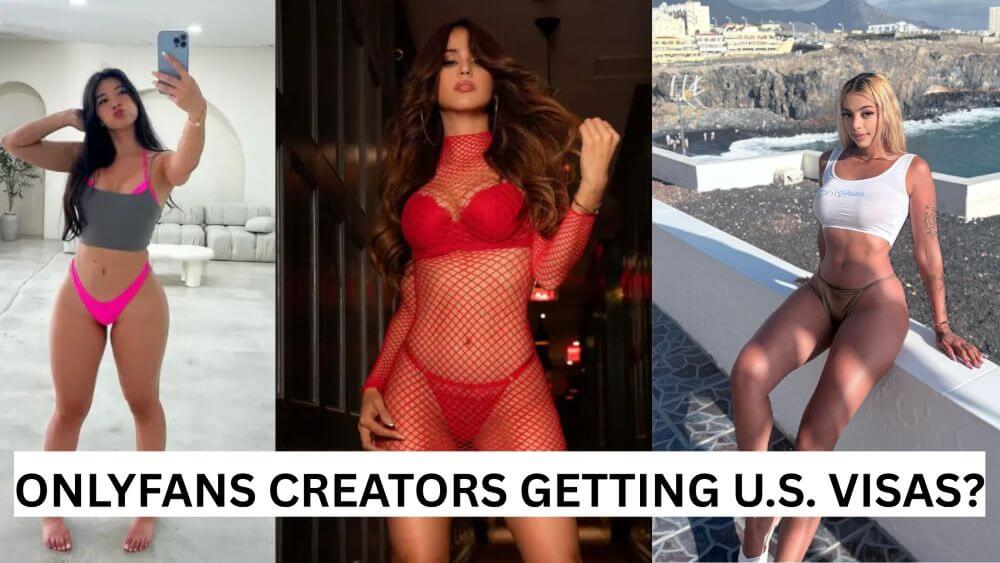
Every few years, the O-1 visa becomes the center of a moral panic.
In the 1970s, it was John Lennon.
In the 1990s, it was rock stars and fashion designers.
Today, it’s social media influencers and OnlyFans creators.
And once again, critics are missing the point.
The O-1 visa is not a museum piece designed to preserve a frozen definition of “art.” It is a living immigration tool meant to attract exceptional economic and cultural contributors to the United States. By that standard, influencers and digital creators don’t just qualify — they excel.
Extraordinary Ability Has Changed — and That’s Normal
The law defines the O-1B visa as being for people with “extraordinary ability in the arts” or “extraordinary achievement” in entertainment. Nowhere does it say:
- “Only oil painters”
- “Only symphony violinists”
- “Only people approved by elite cultural gatekeepers”
What it does require is proof of distinction, recognition, and success at the top of one’s field.
Today, influence is a field.
A creator with:
- Millions of followers
- International brand deals
- Consistent six- or seven-figure revenue
- Media coverage and global reach
is not an amateur. They are a dominant force in modern entertainment.
Complaining that TikTok stars or OnlyFans models qualify is like complaining that television actors qualified in the 1950s because “real acting happens on stage.”
These Immigrants Are the Model America Claims to Want
Let’s be honest about what these creators actually bring:
- ✅ They are self-employed
- ✅ They pay significant U.S. taxes
- ✅ They create jobs (editors, photographers, marketers, lawyers)
- ✅ They rent or buy property
- ✅ They receive no public assistance
- ✅ They export American-based content globally
This is the ideal immigrant profile politicians claim to support.
No welfare dependency.
No strain on social services.
No displacement of American workers.
If anything, these creators subsidize the system.
“But It Used to Be for John Lennon!”
Yes. And that argument proves the opposite of what critics think.
John Lennon was controversial. He was political. He was commercial. He was not “pure art” by some academic standard.
He was famous, influential, economically valuable — and impossible to ignore.
That’s exactly why lawmakers realized the U.S. needed a visa flexible enough to capture cultural gravity, not just elite credentials.
Influencers today occupy the same role Lennon did in his era:
they shape culture at scale.
Algorithms Are Not the Enemy of Merit
Some critics argue that measuring success through clicks, followers, or revenue “waters down” artistic value.
That’s nostalgia talking.
Every era uses the metrics it has:
- Ticket sales
- Record charts
- Nielsen ratings
- Box office revenue
Algorithms are simply the modern scoreboard.
If millions of people voluntarily spend time, attention, and money on a creator’s work, that is recognition. Pretending otherwise doesn’t elevate art — it just protects old hierarchies.
Adult Content Is Still Legal Labor
There’s an unspoken bias driving much of this backlash: discomfort.
OnlyFans creators are singled out not because they lack achievement, but because their work makes some people uneasy. That is not a legal standard, and it never should be.
The U.S. does not deny visas based on prudishness.
Nor should it.
If adult entertainers meet the statutory criteria — income, prominence, recognition — then excluding them would be discrimination, not integrity.
The O-1 Visa Is Doing Exactly What It Was Designed To Do
This is not a hijacking of the system.
It is the system adapting to reality.
Influencers and OnlyFans creators:
- Operate at the top of a global industry
- Compete internationally
- Monetize attention at unprecedented scale
- Bring foreign earnings into the U.S. economy
That is extraordinary ability — whether traditionalists like it or not.
America wins when it attracts talent that people actually pay attention to.
And right now, attention is power.
Other Self Made Posts