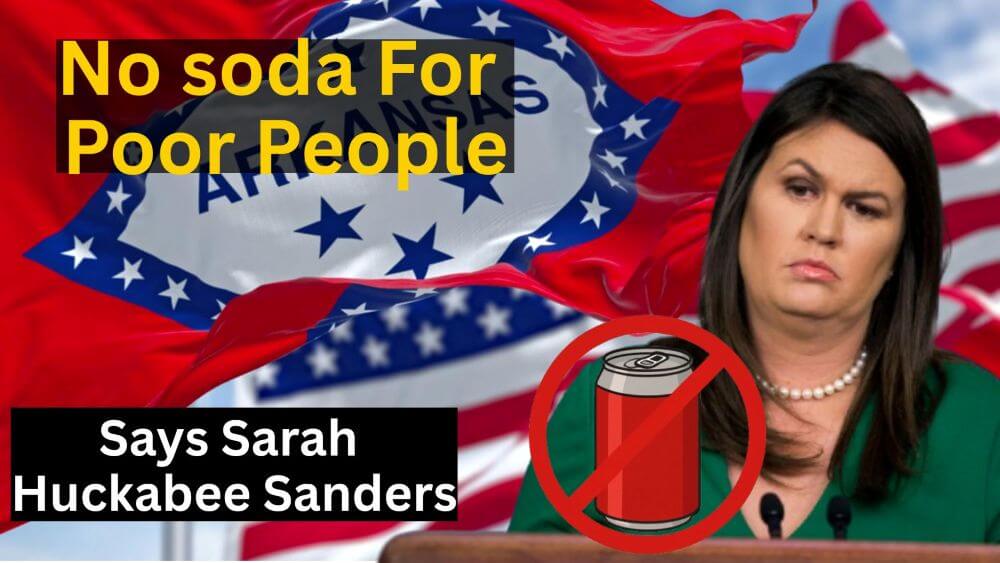
Should taxpayers foot the bill for soda and candy purchases? Arkansas Governor Sarah Huckabee Sanders doesn’t think so. In a bold move, she’s submitted a waiver to ban sugary drinks and candy from the state’s SNAP (food stamp) program—a decision that’s sparking national debate.
A Chronic Disease Crisis in America
America is facing a chronic illness epidemic. Diabetes, obesity, and related health conditions are on the rise, particularly among low-income families—many of whom rely on SNAP benefits to buy groceries.
Governor Sanders argues that using food stamps to buy soda and candy is worsening this crisis. According to her office, nearly $30 billion in taxpayer funds go toward sugary snacks each year. That’s a quarter of all SNAP spending.
“That’s not a nutrition program. It’s actively harming people’s health,” said Sanders.
Her proposal is simple: Arkansans will still be free to buy soft drinks and candy—just not with food stamps.
The Health Argument: A Preventable Epidemic
Supporters of the initiative point to data that backs it up. One study showed that removing sugary drinks from SNAP could prevent:
- 141,000 cases of childhood obesity
- 240,000 cases of adult type 2 diabetes
That’s a huge potential impact—both in lives saved and in billions of dollars saved in future healthcare costs.
The Criticism: Is This Government Overreach?
Critics, however, aren’t convinced. They argue that the policy is punitive and stigmatizing toward low-income families. They say it restricts personal choice and assumes that poor people can’t make good decisions for themselves.
Others worry about the administrative burden and cost of enforcing such a ban. Would grocery stores need to update their systems? Would this delay benefits or make checkout lines more complicated?
A Growing Trend Among Conservatives
This initiative fits within a broader trend: conservative leaders like Donald Trump, Brooke Rollins, and even Robert F. Kennedy Jr. are turning their attention toward chronic illness and preventative health measures.
While this policy may sound aggressive, it’s part of a larger conversation about how government programs can promote—not just support—better outcomes for the people they serve.
Conclusion: Policy Meets Personal Responsibility
The Arkansas food stamp soda ban is more than a state-level policy tweak. It’s a reflection of a growing national conversation about personal responsibility, taxpayer dollars, and the role of government in public health.
So what do you think?
Is this a necessary step toward a healthier America—or does it cross the line into nanny-state territory?
Let’s talk about it in the comments.
Previous opinion posts