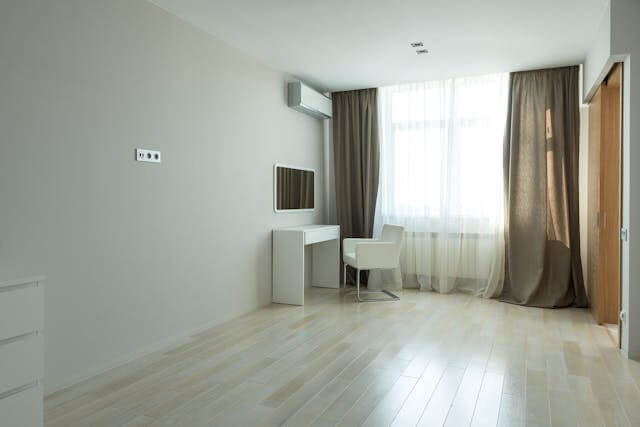
Fewer square feet might feel strange initially, but the idea keeps catching on because it offers something many of us are quietly chasing: more room to breathe. Not just physical space, but mental and emotional space. Imagine a living room that isn’t crammed with furniture, a utility bill that feels reasonable, and weekends spent doing anything but dusting things you don’t even like. Living with less can quietly turn ordinary weeks into something that feels lighter, calmer, and a little more intentional. That shift, once it starts, tends to echo through everything else.
The Financial Power of Downsizing
Mortgage, insurance premiums, utilities, maintenance, and every extra room have their own hidden costs. Shrinking the footprint of your home can plug those small monthly leaks. That money? It adds up. Some people use the savings to boost retirement funds, invest in index portfolios, or even afford that part-time grad program they’d written off. One couple in Tampa downsized from a 3,400-square-foot colonial to a low-maintenance townhome and cut their annual housing costs by almost 40%. They didn’t sacrifice their lifestyle. They swapped a heavy mortgage for regular ski trips and a portfolio that finally made sense.
It’s not just about money either. Time is quietly lost in big homes on repairs, maintenance, and cleaning rooms no one uses anymore. When you’re putting effort into a space that doesn’t match your current life, you’re spending energy on something that’s out of date. Downsizing can interrupt that pattern and help you shift focus to the present.
More Than Money: Emotional and Lifestyle Freedom
Think about how it feels to step into a tidy hotel suite. One bag in hand, no to-do list in sight, no clutter calling your name. Downsizing creates a version of that clarity at home. When you stop managing excess stuff and start living with only what you value, your time opens up. More hours for sunrise runs, catching up with friends, or volunteering at that animal shelter you always meant to check out.
Kids usually adjust quicker than adults. They make multipurpose spaces work because they don’t care about traditional layouts; instead of fighting over who gets which corner of the house, they learn how to share more and stress less. Even pets seem to calm down when they’re not racing through hollow-feeling hallways.
And with fewer distractions, decision-making gets easier. You’re not constantly organizing, rearranging, or second-guessing what to keep. Whether it’s choosing a dinner recipe or finally cracking open that novel on the shelf, less space can make room for more living.
Real Talk: When Selling Makes Sense
Sometimes, a surprise job offer lands in your inbox. Sometimes, the kids leave for college. And suddenly, the house feels too big for who you are now. You browse a few listings, see the market moving fast, and think, you know what, maybe it’s time to sell my house fast and skip the staging circus altogether.
That kind of decision doesn’t need to be dramatic to be right. You can feel unsure and still know it’s time. Selling quickly isn’t impulsive; it can simply mean acknowledging that your home has served its purpose. Some people use the opportunity to relocate closer to family. Others trade suburbs for downtown condos. A few pack their things and travel for a year, letting the next step find them.
The point is that when your home starts to feel like it belongs to a different chapter, it’s okay to move forward without dragging it into the next one.
Simple Steps Toward a Minimalist Mindset
Start small. One drawer. One cupboard. One lazy Sunday afternoon. Pull everything out, keep what you’d happily buy again today, and donate the rest. That first wave of relief is usually enough to keep going.
After that, take a good look at the spaces you actually use. Compare them to the ones that sit empty unless someone’s visiting over the holidays. If more than 30% of your square footage goes unused, downsizing might already be knocking.
Next, look at your recurring costs. Landscaping, HVAC servicing, and monthly security fees add up. Those quiet expenses sometimes speak the loudest when you’re considering a change.
And finally, picture a week that makes you feel good. Does it include more travel, weekend hobbies, or time with your kids? Smaller spaces can make those things easier. Less cleaning, fewer chores, more margin for joy.
Another way to lean into minimalist living is to pause before each new purchase. Whether it’s a new sofa or a cute accent chair, ask yourself: where will it go, how often will I use it, and do I need it? If the answer isn’t obvious, skip it. Curating your home is more powerful than constantly adding to it. The less time you spend finding places to stash things, the more energy you’ll have for the stuff that actually matters.
The Shift in Culture Around Space and Status
For a long time, big homes symbolized success. More rooms meant more pride. More things meant you’d made it. But that story’s changing. More people are realizing that comfort, freedom, and success aren’t about size. They’re about function.
A 900-square-foot home that’s filled with sunlight, smart storage, and thoughtful design often feels better than a 3,000-square-foot house that constantly asks for your time and money.
Social platforms are reflecting that shift, too. Instead of influencers showing off walk-in closets packed with shopping bags, we’re seeing people celebrate having 30 carefully chosen pieces they genuinely wear. It’s about choosing with intention, not limiting yourself. That same principle translates perfectly into your living space.
Conclusion: Minimalism as Financial Reboot
Choosing a smaller home doesn’t mean choosing less of a life. It means shifting your resources, time, money, and attention toward the most important people and priorities. The equity you unlock from selling a home you no longer need can fund new opportunities, smooth out your future, or simply buy you some breathing space.
Minimalist living makes room for joy in unexpected ways. Closets hold what you love, not what you once settled for. Living rooms become conversation hubs instead of clutter zones. The pressure to keep up fades. The desire to feel at home right now, not someday, takes its place.
And often, the people who choose less space find they’re finally living more fully than ever before.