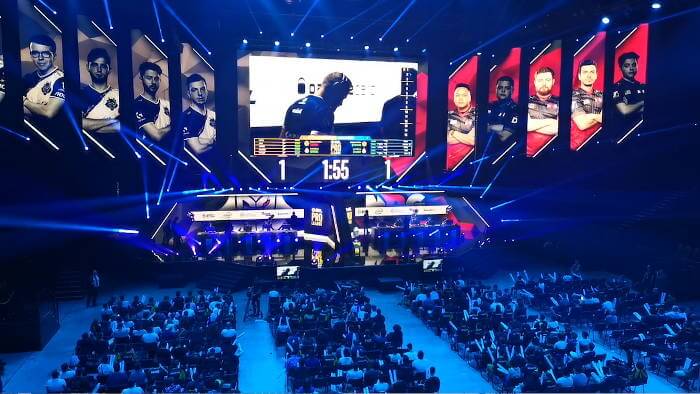
Entrepreneurship and gaming may seem worlds apart, yet both thrive on innovation, strategy, and adaptability. In a rapidly evolving economy, the eSports industry offers valuable lessons for entrepreneurs seeking to navigate uncertainty, embrace risk, and lead with creativity. The rise of competitive gaming has not only redefined entertainment but also introduced new business models that mirror the challenges faced by modern startups.
The Evolution of eSports and Digital Entrepreneurship
Over the past decade, eSports has evolved from a niche hobby into a billion-dollar industry. Tournaments fill arenas, streaming platforms host millions of viewers, and brands compete for visibility in this digital ecosystem. Much like tech startups, eSports organizations depend on community building, brand identity, and consistent performance to sustain success.
Entrepreneurs can learn from the way eSports professionals adapt to technology and audience demand. Every successful team or player operates like a business—developing strategies, analyzing data, and investing in personal growth. The agility required to thrive in this environment mirrors the flexibility needed in entrepreneurship.
The digital world also offers an abundance of platforms blending entertainment with strategic decision-making. For instance, Foxygold casino demonstrates how online gaming environments have adopted innovation and gamification to engage users. Its success reflects the same entrepreneurial principles found in eSports—balancing risk with calculated strategy and fostering communities driven by engagement and reward.
Strategy and Decision-Making Under Pressure
One of the defining traits of both entrepreneurs and professional gamers is the ability to make quick, high-stakes decisions under pressure. In competitive gaming, a split-second choice can determine the outcome of a match. Similarly, in business, a timely pivot or bold investment can shape a company’s future.
These scenarios share key success factors:
- Preparation: Hours of practice and research allow individuals to anticipate multiple outcomes.
- Focus: Concentration under stress enables sharper execution and clearer judgment.
- Adaptability: The willingness to adjust mid-game—or mid-project—often separates success from failure.
Gamers and entrepreneurs both learn that strategy is as much about discipline as it is about creativity. While instinct plays a role, long-term success is built on learning patterns, refining techniques, and maintaining emotional control during moments of uncertainty.
The Business of eSports: Building Sustainable Growth
Behind every professional gaming brand lies a complex business ecosystem. Sponsorships, content creation, merchandising, and streaming rights all contribute to long-term revenue streams. This mirrors the startup model, where diversification and innovation determine resilience.
Entrepreneurs can draw inspiration from eSports organizations that invest in personal branding, audience engagement, and data analytics. Building a loyal community around a mission or experience—rather than a single product—is what sustains long-term success.
Key takeaways for business leaders include:
- Diversify income channels to reduce dependence on one market or product.
- Prioritize brand storytelling to build emotional connections with audiences.
- Leverage partnerships that align with company values and amplify visibility.
The eSports model proves that in a digital-first world, success is not about scale alone—it’s about engagement, relevance, and trust.
Leadership in the Digital Arena
Effective leadership in both gaming and business requires emotional intelligence and adaptability. In competitive gaming, team captains motivate and manage diverse personalities under constant pressure. Similarly, business leaders must create environments that foster creativity while maintaining performance standards.
Modern leaders can learn from the way eSports teams handle communication, teamwork, and accountability. Each player understands their role, yet collaboration is key. The same applies in startups, where clarity of purpose and mutual trust enable high-functioning teams.
Leaders who adopt a coaching mentality—empowering rather than commanding—tend to inspire more loyalty and innovation. This mindset shift encourages growth, experimentation, and shared responsibility across the organization.
The Future of Innovation and Human Potential
As technology continues to merge with creativity, the intersection of gaming and entrepreneurship becomes increasingly significant. Artificial intelligence, virtual reality, and blockchain are transforming not only entertainment but also business operations and investment strategies. Entrepreneurs who understand this convergence can unlock new opportunities across industries.
The eSports industry also highlights the growing importance of mental wellness and focus. Just as gamers rely on discipline to maintain peak performance, entrepreneurs must manage burnout and decision fatigue to remain effective. Success in both fields depends on balancing ambition with mindfulness—a principle that defines sustainable growth.
At its core, both entrepreneurship and eSports celebrate the same virtues: strategic thinking, resilience, and innovation. Whether managing a startup or competing in a digital arena, the goal remains the same—to adapt, learn, and evolve with purpose. By embracing these shared lessons, leaders can transform uncertainty into opportunity and competition into collaboration, driving progress in a world that never stops changing.