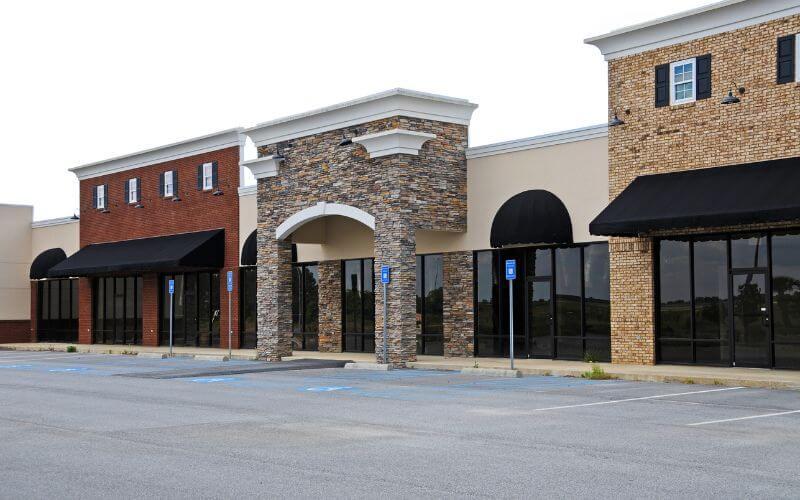
A commercial building functions as a complete system, where plumbing, HVAC, electrical, safety, and structural components all need to work together seamlessly. If just one area fails, it can slow down your business, create safety hazards, and trigger unexpected repair costs.
That’s why maintenance should be viewed as a long-term business strategy rather than a one-off task. When handled proactively, it protects your investment, reduces liability, and helps you avoid costly downtime.
To help guide your efforts, this article provides a structured checklist focused on essential building systems. It’s designed specifically for business owners and property managers who want to keep things running reliably and efficiently.
Keep reading.
Start with Strategic Walkthroughs
Small issues often start quietly—a cracked tile, a flickering light, or a faint water stain. If ignored, these minor problems can lead to structural damage, safety concerns, and costly emergency repairs. That’s why scheduled inspections are critical. You don’t need to walk every square foot yourself, but having a team or vendor in place with a clear inspection routine is essential.
Each quarter, make sure both the interior and exterior are reviewed thoroughly. That includes:
- Inspecting roofs and gutters for damage, especially after storms
- Checking ceilings and floors for signs of leaks or water intrusion
- Verifying emergency lights and exit signs are working properly
- Reviewing break rooms, restrooms, and storage areas for pests, odors, or mold
- Evaluating doors, locks, and hardware for smooth operation and security
What matters most is consistency and documentation. Keep records of each inspection, note any issues, and prioritize needed repairs. A good inspection log can also help with future budgeting and capital planning.
Keep Sewer Health at the Top of the List
The sewer system is one of the most important yet invisible components of any commercial building. It handles all wastewater flow and plays a direct role in sanitation, health compliance, and building functionality. But when something goes wrong underground, it usually causes big problems above ground—like raw sewage backup, foul odors, and closed-off workspaces.
That’s why routine inspection and proactive planning are essential. Don’t wait for a crisis. Most sewer issues start small, and catching them early is far more cost-effective. At a minimum, schedule a professional sewer inspection once a year. The professionals are trained to detect cracks, blockages, or root intrusion long before they result in major downtime or health hazards.
And here’s some good news: sewer repair no longer has to be disruptive. Many trusted companies, such as Trenchless Solutions, now offer trenchless sewer repair, a method that replaces damaged pipes through a single, minimal access point.
This approach means fewer delays, lower cleanup costs, and a significantly shorter repair timeline. In most cases, new piping is installed in one day, restoring full function with virtually no surface disruption. Better yet, many providers offer online booking, so getting started is simple and hassle-free.
Keep HVAC and Electrical Systems Running Smoothly
Comfort, air quality, and energy efficiency all depend on a healthy HVAC system. And when something goes wrong, you’re not just facing discomfort—you’re risking downtime and higher energy bills. Working with experienced partners that specialize in advanced HVAC Solutions can make a meaningful difference in system performance, reliability, and long-term operational efficiency.
Preventive tasks should be built into your team or vendor’s seasonal checklist:
- Replace air filters every three months
- Schedule system tune-ups before peak heating and cooling seasons
- Clean coils, vents, and ductwork to maintain efficiency
- Seal ducts to prevent air loss and wasted energy
For electrical systems, focus on both safety and function. Annual inspections should check for overloaded circuits, panel labeling, and emergency generator operation. It’s also smart to install surge protectors to safeguard valuable equipment and ensure that designated staff know how to shut down power in an emergency.
Maintain Safety and Accessibility Compliance
Every commercial property needs to meet current safety and accessibility standards. Regular reviews help ensure that systems are working properly and meet code requirements. Check elevators, ramps, and handrails for smooth operation and structural integrity.
For exterior maintenance, lighting upgrades, or overhead repairs, having reliable access equipment is essential. Many property managers rely on providers like El Cheapo Lifts California to safely reach elevated areas without disrupting daily operations.
Fire extinguishers, alarms, and sprinklers should be inspected on a routine schedule. Lighting in stairwells, hallways, and exits must remain functional and bright. Security systems, including cameras, motion lights, and access controls, should be tested for full coverage and responsiveness.
Signage is just as important. Make sure restrooms, exits, and accessible paths are clearly marked with readable, up-to-date signs. As codes evolve, your maintenance staff or vendors should stay informed. Keeping ahead of issues is always more efficient than making corrections after a violation.
Closing Lines
A commercial property requires constant care. By conducting regular inspections, maintaining sewers, servicing HVAC and electrical systems, and ensuring safety and accessibility, you can prevent costly breakdowns. Proactive maintenance protects your investment, keeps employees safe, and preserves your reputation. A clear checklist and disciplined follow‑through keep operations running smoothly and allow you to focus on growing your business.