We hear about cyberattacks all the time. Data breaches. Ransomware. Password leaks. It feels like the digital side of business is under constant threat, and you’re told to just accept it and install another piece of software to feel safe again.
But here’s what gets overlooked. While everyone’s obsessing over firewalls and encryption, physical security often gets treated as an afterthought. Doors left unlocked. Visitors wandering freely. Staff not clearly identifiable. And those small gaps? They can lead to business failure just as quickly as a hacked server.
It’s not just about hackers
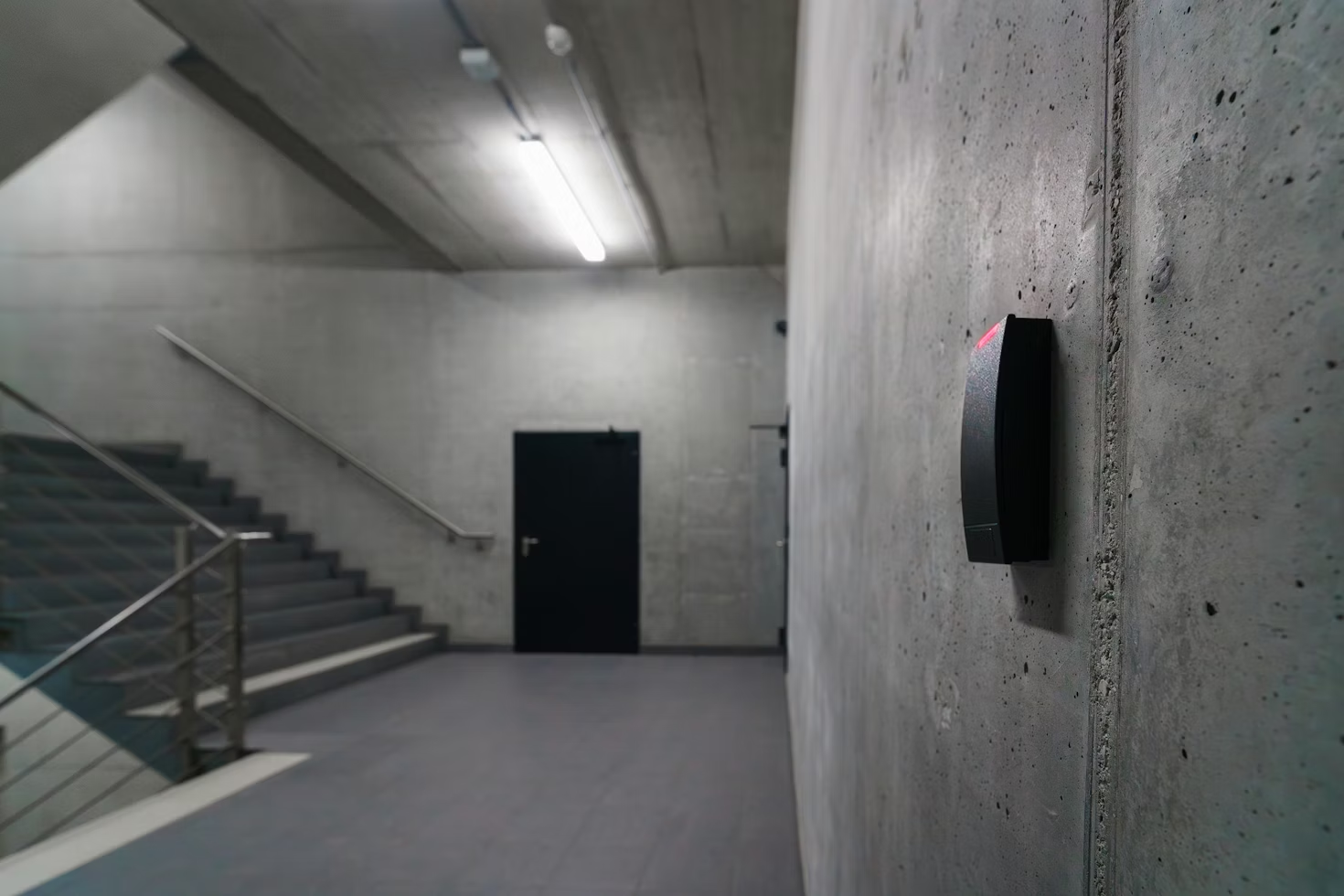
When we think security, we picture someone behind a screen. But physical access is often the first weak point. Someone tailgates through a secure door. A stranger walks through reception without being challenged. A delivery driver lingers a bit too long in a restricted area.
You can tell yourself it’s fine. It’s probably nothing. You don’t want to make a fuss. But that mindset is exactly where problems begin. Not every threat looks dramatic. Sometimes it’s just someone in the wrong place at the wrong time.
Good physical security isn’t paranoia. It’s awareness. It’s knowing who belongs in your building and who doesn’t. It’s drawing clear boundaries so no one has to guess.
Visible identification changes behaviour
One of the simplest shifts you can make is making identification obvious. Not small badges people forget in a drawer. Not flimsy stickers. Something clear and consistent.
A big portrait PVC employee ID does more than display a name. It makes it instantly clear who works there. Staff recognise each other. Visitors can see who to approach. Managers can spot unfamiliar faces quickly.
It also changes how employees behave. When someone wears visible identification, they feel accountable. They represent the business. That subtle shift influences professionalism in a way that policies alone never will.
Visitors need structure, not assumptions
Another weak spot? Visitor management. Someone signs a book at reception, gets a sticker, and then wanders off. No escort. No real oversight. Everyone assumes someone else is watching.
That’s how mistakes happen. Not because people are careless, but because systems are vague. If visitors don’t have clear limits, they’ll unintentionally cross them.
Create simple processes. Issue temporary passes. Require escorts where needed. Make it obvious who is a guest and who isn’t. These aren’t dramatic measures. They’re basic discipline. And discipline reduces risk.
Physical security supports digital security
Here’s the part people miss. Digital systems live in physical spaces. Servers sit in rooms. Computers sit on desks. Paperwork gets left in printers. If someone can physically access those things, your cyber protections only go so far.
It doesn’t take a genius hacker to plug a device into an unattended computer or photograph confidential documents left out overnight. Small lapses add up. When physical security is strong, your digital systems are safer. Locks, controlled access, clear identification. These layers work together. Ignore one, and the others weaken.
Cyber threats dominate headlines, but physical gaps can be just as damaging. A clear ID system, structured visitor processes, and simple access controls can prevent serious problems before they start.