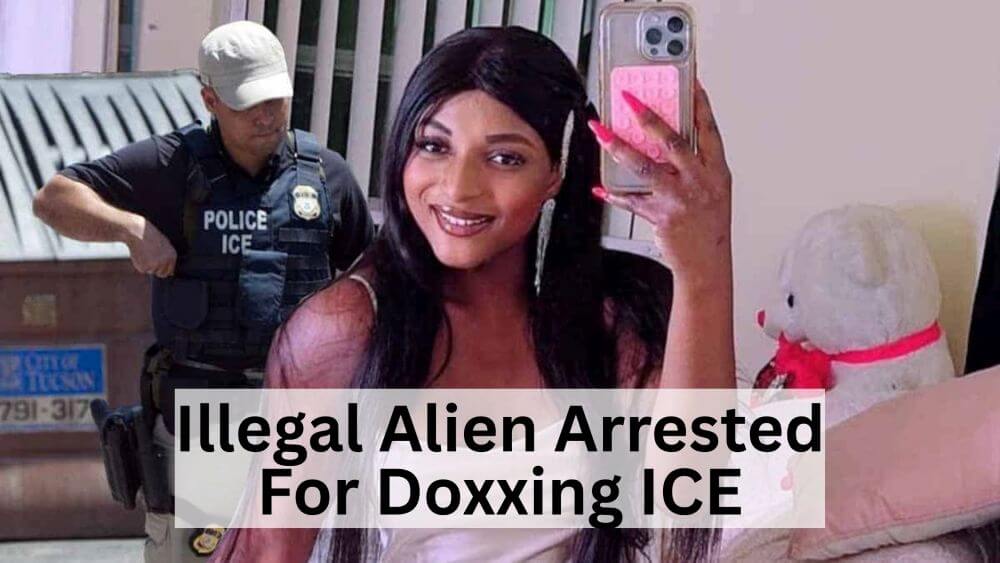
Tatiana Martinez, an illegal alien from Colombia, livin in Los Angeles, has become the latest headline in the immigration debate. Known on TikTok (tatianamartinez_02) with 37,000 follower actively encouraged her followers to harass and disrupt federal officers during their lawful duties.
On Friday, August 15, her online crusade came to a crashing halt. While livestreaming from her Tesla in the parking lot of her residence, ICE agents moved in and arrested her. The footage of the arrest quickly went viral: Martinez resisted, screamed in Spanish, and was wrestled to the ground. In a moment of sheer humiliation, her wig flew off as federal officers subdued her.
Now facing deportation—and potentially criminal charges for obstructing law enforcement—Martinez’s story illustrates how reckless choices can turn an already precarious situation into a disaster.
If I Were in Her Shoes…
As someone who often reflects on decision-making and consequences, I can’t help but imagine what I would do if I were an illegal alien in the U.S. My thought process would probably be far more practical and cautious than Martinez’s approach.
Here’s how I see the options:
- Prepare for Self-Deportation
Start fixing my personal affairs so I could leave on my own terms. Sell belongings, arrange for a place to return to in my home country, and avoid the trauma of a sudden forced removal. - Keep a Low Profile
Don’t call attention to myself, don’t break the law, and live quietly. Sometimes survival means staying under the radar and avoiding unnecessary risks. - Seek Legal Help While Waiting for Political Change
With U.S. politics swinging back and forth every four years, a strategy of patience can pay off. I might wait out a hostile administration while actively seeking legal avenues to remain in the country.
What Tatiana Martinez Did Wrong
Tatiana Martinez ignored all these paths. Instead of lying low, she went out of her way to attract attention—building a TikTok following of over 37,000 followers, posting content that openly interfered with ICE operations, and allegedly doxxing federal agents.
This wasn’t civil disobedience in the noble tradition of peaceful protest; it was an illegal alien actively breaking the law. And unlike many undocumented immigrants who live quietly in fear of deportation, Martinez taunted the very system that held her fate in its hands.
Her arrest was inevitable.
A Predictable Ending
Tatiana Martinez’s story serves as a cautionary tale: reckless defiance may gain social media clout, but it almost always ends in disaster. Her online fame has now become her downfall, and rather than helping her stay in the U.S., her notoriety has guaranteed deportation and possibly criminal charges.
For undocumented immigrants, her case underscores a harsh reality—visibility can be dangerous when your very presence is unlawful.
What do you think? Did Tatiana Martinez get what was coming to her, or is this another example of free speech being punished?
Other Law Posts