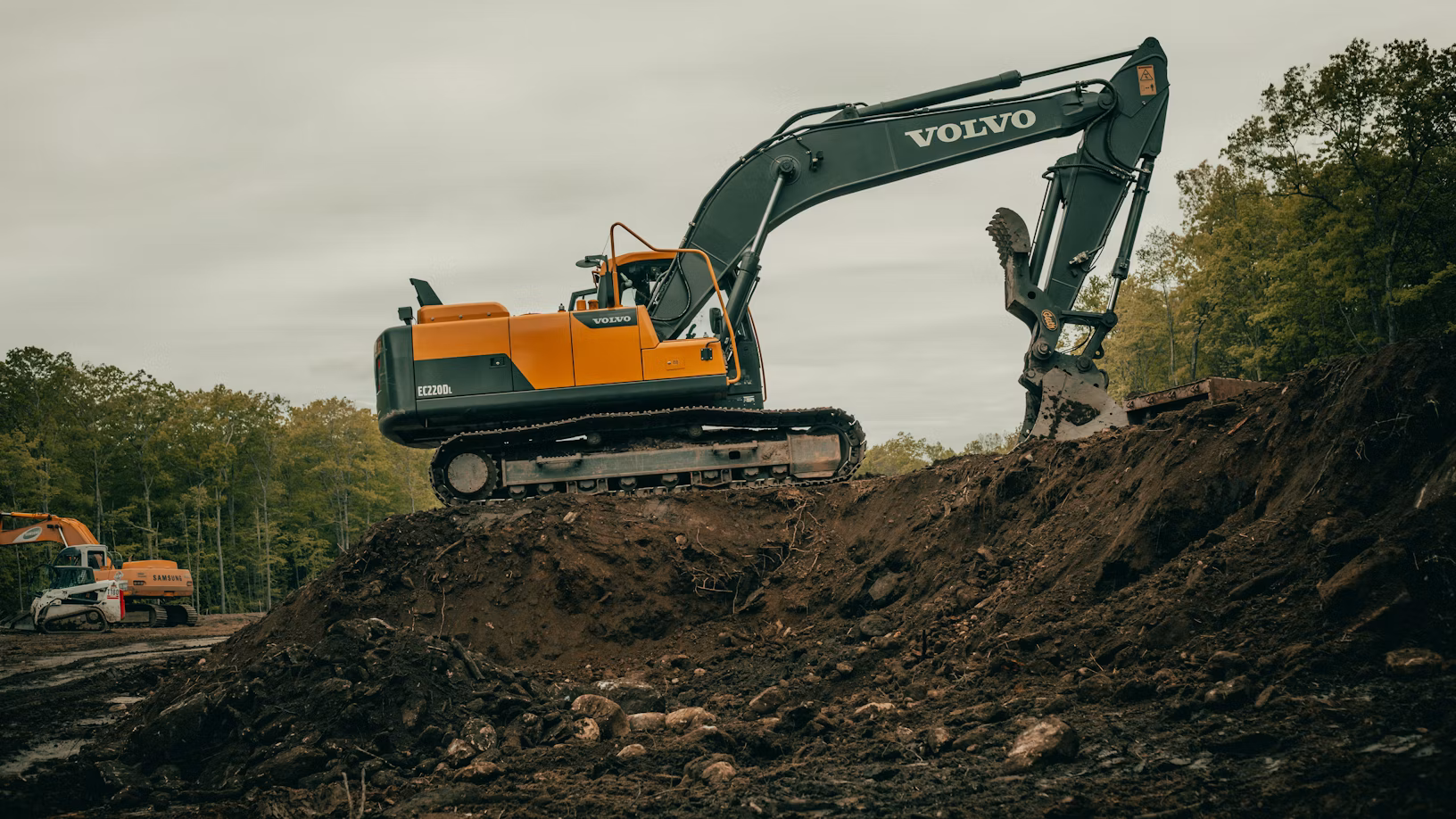
Turning a patch of raw land into a spot ready for a new home, business, or farm project really boosts its value. Good site prep is like the bedrock for any successful project; it makes sure everything is stable, safe, and lasts a long time. It’s a step-by-step process, from checking out the land at the start to the final leveling, and each part is key to turning an empty lot into something valuable.
Assessing Your Land’s Potential
Before anyone even thinks about moving dirt, you need to thoroughly check out your property. How does the land lie? Is it flat, sloped, or hilly? This will change how complicated and expensive your development will be. What kind of dirt is there? Different soil types affect how water drains, how stable the ground is, and what kind of foundation you’ll need.
You should also figure out where important utilities like water, sewer, electricity, and gas are and if they’re even available. Being close to public roads for access is just as important. Knowing all this gives you a real idea of what you can do with your land, helps you plan your budget, and makes it easier to assess the most practical ways to make money from vacant land.
Understanding Zoning and Regulations
Every piece of land has local rules about what you can do with it. Before you make any plans, you have to look into your parcel’s zoning. Zoning laws say if land can be used for homes, businesses, industry, or farming. You can usually get this info from your local city or county planning department. It’s super important to check local land use policies to confirm what’s allowed on your lot. Digging deeper into understanding zoning laws can save you from expensive mistakes and legal headaches. Besides zoning, you might also need permits for things like grading, cutting down trees, and building, so it’s best to do your homework early.
The Initial Site Clearing Phase
Once you have a plan and understand the rules, the actual work starts with clearing the site. This means getting rid of anything in the way of the construction area, like trees, stumps, big rocks, and overgrown plants. If there are old buildings, sheds, or abandoned structures on the property, you’ll need to hire professional demolition contractors to clear the site safely and efficiently. This step creates a clean slate, giving you an open, easy-to-access area for the next stages of development. Clearing isn’t just about removing stuff; it’s about getting the ground ready for strong, secure construction.
Grading for Optimal Drainage
With the site cleared, the next step is grading. Grading means shaping the land to get the right slope and height for your project. This is one of the most crucial parts of site prep because it directly affects drainage. If the grading isn’t done right, water can pool around your foundation, leading to soil washing away, damage to your yard, and possibly serious problems with the building’s structure.
The goal is to create a gentle slope that sends rainwater and runoff away from your future building. A professional site developer will use special equipment to make sure the land is perfectly level and packed down according to the project’s engineering plans.
Foundational Steps for Construction
After the land is cleared and graded, a few final steps get the site ready for the builders. The soil might need more compacting to create a stable base that can hold the weight of a structure. Things to control erosion, like silt fences or retention ponds, are often put in place to stop soil from washing away during construction. At this point, trenches are dug for water, sewer, and electrical lines. Finally, the building’s outline is marked out, giving a clear guide for digging and pouring the foundation.
Doing these prep steps carefully ensures your land isn’t just ready for construction, but it’s set up for a successful and long-lasting final product. A well-prepared site is the first and most important investment in your property’s future.