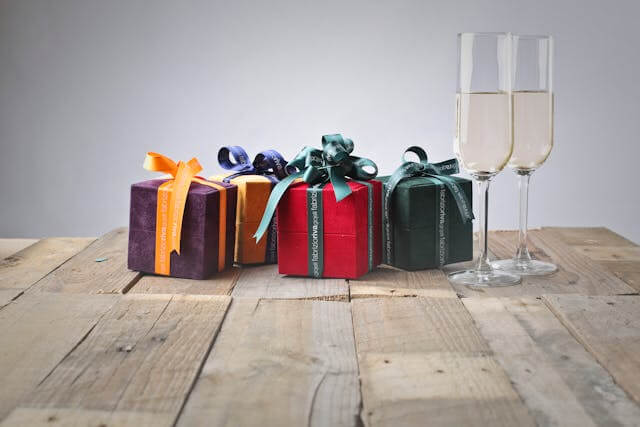
Usually, it is the small details that often decide whether a brand is going to stand out or whether it is going to disappear into the background. You can have a really great product and a clear message coupled with a competitive price, but if your packaging is sending the wrong message, people may never give you a chance. Packaging is what provides the first impression; it gives a hint at the quality, style, and personality before anybody even tries what is inside.
Let’s have a look at why packaging matters so much and what you should consider when choosing materials as well as partners, and how it ties into your brand’s overall story.
Why Packaging Matters
Packaging isn’t just something to hold your product while it is delivered to your customers. It is also something that has a lot to do with presentation and a representation of your brand.
This can tell your customers what they should be expecting, whether it’s a premium drink in a heavy-tinned glass bottle or a plastic version that suggests it’s more affordable and convenient instead.
Good packaging is going to look after the product, yes, but it is also going to help influence purchases from your customers. If you have a fragile box that falls apart or something that leaks, it is going to lose your customers’ trust. On the other side of things, if you have a well-made package, it becomes a big element of the customer’s experience.
What to Consider When Choosing Packaging
When you start to assess the different packaging options that you have available, you need to make sure that you are thinking about the looks, but you are also thinking about the quality of the materials you would choose. The material that you choose is something that not only affects the cost to produce, but it also affects the perception that you receive from your customers. If you have glass, for example, it usually feels a little bit more premium as opposed to plastic, but plastic is very good for volume and portability. You also need to think about different finishes that you can add. Are you going to include an embossed image or something else? Each one is going to talk about your brand in a different way.
Customization is another factor as well. If you want a distinctive presence, then you need to think about having something other than a standard shape. Ask your supplier how flexible they can be with design changes, what their minimum order quantities are, and how much it costs to have a variation made.
As well as this, you also make sure that you think about the practical side of your packaging. Something might look great when you were designing it, but in reality, it could be extremely expensive or difficult to ship to your customers. You need to make sure that your packages look great, but they are also easy to ship. If you have a great-looking package, but it arrives damaged and looks messy, then it’s not going to be good for putting on display, and it’s not going to be good when it arrives in your customers’ hands.
Collaborating With the Right Partner
Finding a packaging supplier who understands your needs can make a big difference when it comes to creating the white packaging for your business. A greater example of this is GlassRock, a company that is based in China that provides both ready-made and fully customized glass bottles.
They offer more creation, engineering, decoration, and global shipping all under one process. That level of service means that brands are able to access scale and design flexibility, all without having any unnecessary costs or delays. You can learn more about their custom glass bottle solutions on their website.
This kind of partnership means that you are able to focus on things like your brand while your supplier is handling all the technical details. This might be because you’re launching a new product or refreshing an existing one, but having a partner in place who understands both design and production means that you have more room to experiment and adapt if you need to.
Integrating Packaging into Your Brand Strategy
Packaging should be something that fits in with the whole picture of your brand; it’s not something that should be standing alone by itself. It’s very important that you maintain a visual consistency across your whole brand, and this should also include your packaging. First, you need to make sure you are thinking about the design, color, and typography that you are going to include on your packaging. It needs to be something that matches and links up with anything else that you have in your branding. So look at your advertising, your in-store displays, as well as things like your website and social media, as these can be the things that help you to design your packaging and keep them in line with your brand. If you don’t do this, then your customers can easily become confused.
The second step is to make sure that you are focusing on storytelling. Every product will have a story behind it, and your packaging can help you to tell that story to your customers. A craft beverage company, for example, might use a heavy glass bottle with a hand-applied label so that they can emphasize the fact that they are a small batch company. A health brand might choose a clean, simple design so that it can show that they are trustworthy and pure. Every design choice is something that is going to contribute to the way that the customer actually perceives your business.
Conclusion
Packaging is far more than just something that is a practical way to ship your products. Yes, it does get used for that, but it is also an important part of your branding. It influences how people see your product before they even use it, and it shapes what they remember after they do.
Take a moment to look at your current packaging and ask what it actually reflects about your product’s value and quality. If it doesn’t, then it might be time to upgrade and make some smarter investments.