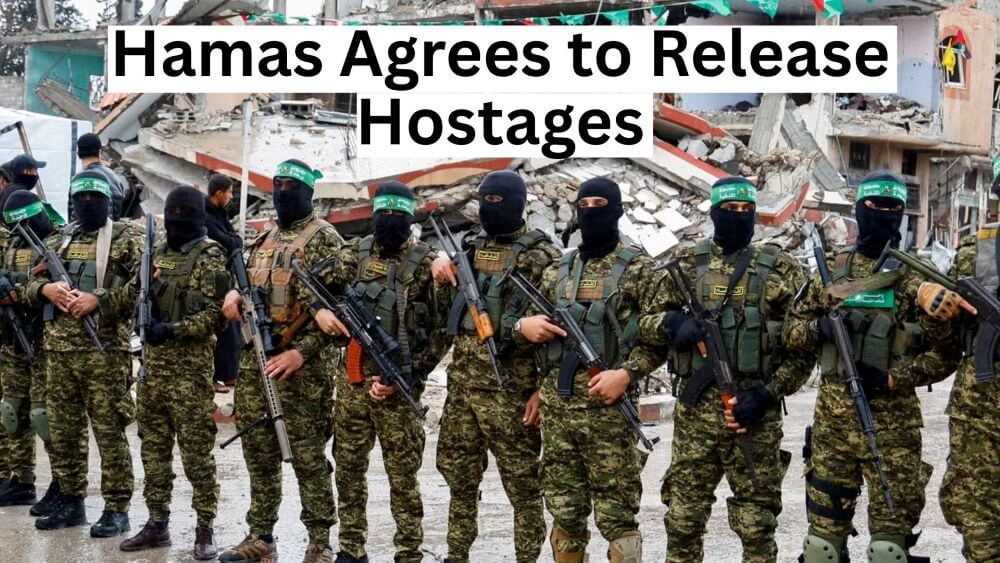
On October 3, 2025, the world witnessed an unexpected breakthrough in one of the most entrenched conflicts of our time. Hamas announced that it would release all remaining Israeli hostages—both living and dead—while endorsing U.S. President Donald Trump’s 20-point peace proposal for Gaza. This is a remarkable moment, not just for the families of hostages who have waited in anguish since the October 7, 2023, attack, but also for the possibility of ending a war that has devastated Israelis and Palestinians alike.
Trump hailed the announcement as a “very special, maybe unprecedented” day. He called on Israel to halt its bombing campaign to allow for safe hostage extraction and emphasized that peace was now within reach. Whether one admires or despises his political style, this move has the potential to define his presidency.
The Context: Two Years of War
The October 7, 2023, attack by Hamas was one of the darkest days in modern Israeli history. Around 1,200 civilians and soldiers were killed, and over 250 were taken hostage. Since then, Gaza has endured relentless bombardments, with tens of thousands of casualties, mass displacement, and a humanitarian crisis of staggering proportions.
Despite multiple ceasefires and prisoner swaps, the war persisted. Now, two years later, Trump’s plan has forced both Hamas and Israel to confront a different possibility: compromise.
What Hamas Agreed To
Hamas’s statement signals willingness to:
- Release all hostages once “field conditions” are met, namely Israeli withdrawal to the lines set in Trump’s peace plan.
- Transfer Gaza’s administration to an independent, technocratic Palestinian body backed by Arab and Islamic states.
- Engage in negotiations on Trump’s 20-point peace framework, mediated by regional players like Qatar and Egypt.
This does not mean Hamas is ready to surrender. The group stopped short of agreeing to disarm, a nonstarter for Israel. But the fact that Hamas publicly endorsed Trump’s framework—after initially rejecting any negotiation—is significant.
Trump’s 20-Point Peace Proposal
The plan is ambitious, with key elements including:
- Simultaneous release of all hostages (alive and dead).
- Phased Israeli withdrawal from Gaza, paired with a perimeter security presence.
- Hamas’s disarmament and eventual handover of authority.
- Creation of a Palestinian governing authority composed of technocrats.
- Formation of an Arab-led stabilization force to oversee security.
- Immediate delivery of humanitarian aid.
- Oversight by an international “board of peace,” chaired by Trump and involving figures like Tony Blair.
Israeli Prime Minister Benjamin Netanyahu has publicly supported the plan, but officials close to him remain skeptical that Hamas will fully comply—especially regarding disarmament.
Political Implications
For Trump, this is a clear diplomatic win. His administration managed to bring Hamas to the table after two years of bloodshed, where others had failed. His pressure tactics—giving Hamas a hard deadline and threatening “all hell” if they refused—seem to have worked.
For Hamas, agreeing to the deal may be a strategic retreat. Gaza has been devastated, the civilian toll is catastrophic, and international pressure is mounting. Accepting Trump’s plan allows Hamas to preserve some leverage while avoiding complete annihilation.
For Israel, this is both a relief and a dilemma. The hostages could finally come home, but agreeing to partial Hamas conditions risks leaving the group’s military capacity intact. Netanyahu faces a difficult choice: accept an imperfect peace or continue a costly war.
Why This Matters
- For Families: Hostages’ loved ones may finally see closure, whether through reunion or recovery of remains.
- For Gaza’s Civilians: The possibility of a ceasefire means desperately needed aid could flow in.
- For the Region: The deal could reset regional diplomacy, especially with Arab states that brokered behind the scenes.
- For Trump: This is a rare diplomatic achievement that will dominate headlines and possibly reshape his legacy.
Conclusion
This is far from a done deal. Hamas has not agreed to every condition, and Israel may balk at partial concessions. But for the first time in two years, both sides are engaging under a shared framework.
Whether Trump’s 20-point plan becomes reality or collapses under the weight of mistrust, one thing is undeniable: October 3, 2025, marks a turning point. And for Donald Trump, this is indeed a big win.
Previous Politics posts