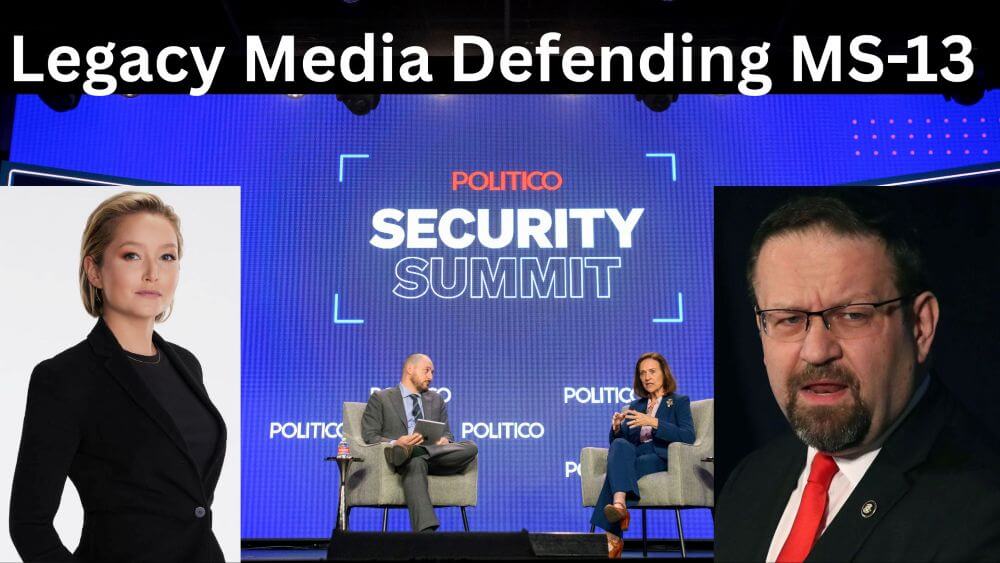
A Fiery Clash at the 2025 POLITICO Security Summit
During the 2025 POLITICO Security Summit, Sebastian Gorka, deputy assistant to President Trump and a respected counterterrorism expert, sat down with Politico journalist Dash Burns. What began as a policy discussion quickly turned into a heated exchange about priorities in journalism, public safety, and political narratives.
Gorka accused Politico—and by extension, many mainstream media outlets—of focusing more on discrediting Trump than on telling the real stories that affect American lives. He didn’t mince words.
“You’re sitting here defending an MS13 member. This isn’t journalism; it’s protecting people who hate America,” Gorka fired back when questioned about border security and gang identification tactics.
Is the Media Prioritizing Criminals Over Victims?
One of the most disturbing moments came when Gorka brought up brutal crimes committed by MS13 gang members and illegal border crossers. He cited stories of young girls and women, such as Jocelyn Nungaray, a 12-year-old girl raped and left in a ditch, and Marilyn, a mother of five murdered and discarded like trash.
“Why doesn’t Politico write about them?” he asked. “Why is an MS13 member with knuckle tattoos more deserving of due process than these women and children?”
These emotional stories highlight a deeper concern: the perceived disconnect between the priorities of media organizations and the democratic party versus the safety of American citizens.
The Role of Political Bias in News Coverage
Gorka’s comments also pointed to a larger cultural issue—what many see as media bias against conservatives. Outlets like Politico, he argued, spend more time discussing “The Maryland man” than covering the suffering of real victims at the hands of dangerous criminals.
While mainstream news organizations claim objectivity, critics like Gorka suggest that they often shield foreign actors or criminal elements to maintain politically correct narratives. This debate isn’t new—but it’s more urgent than ever, especially as immigration and public safety dominate national conversations in an election year.
The Power of Telling Uncomfortable Truths
Whether you agree with Gorka or not, it’s clear that he’s willing to ask uncomfortable questions. His confrontation with Dash Burns challenges us to look deeper at what’s being prioritized—and what’s being conveniently left out.
His closing remarks cut to the heart of the matter:
“This isn’t about Trump. It’s about American children being raped and murdered. Why is that so hard to cover?”
If journalists want to regain public trust, perhaps they should start by telling stories that matter—without ideological filters.
Previous Politics posts