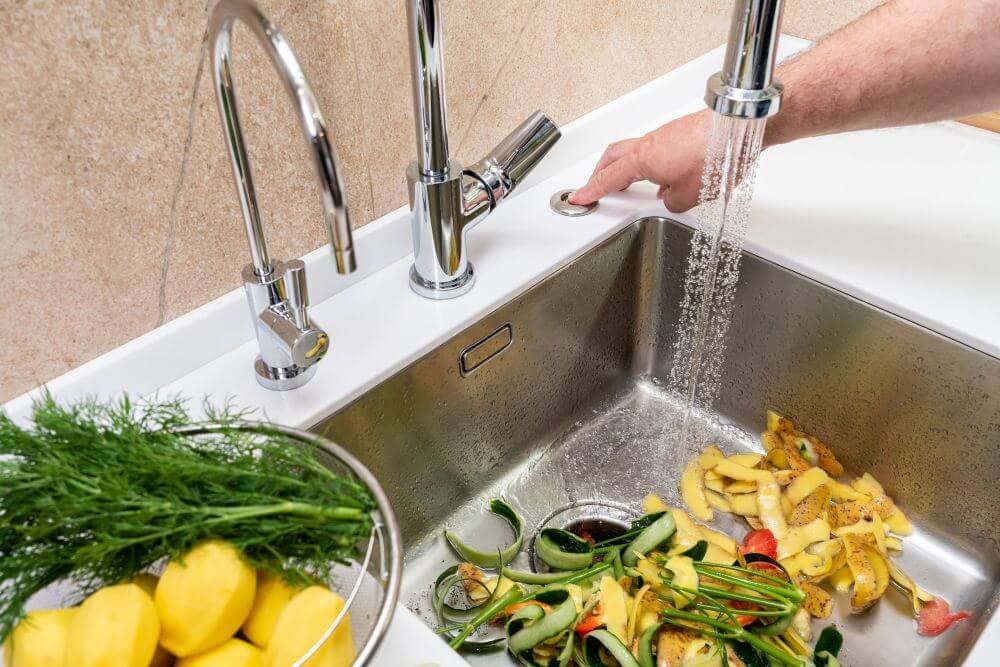
If there is one appliance in the kitchen that most people take for granted, it is the garbage disposal. This silent hero works hard every single day to keep the sink clear and the kitchen smelling fresh.
However, when the disposal suddenly stops working, the kitchen can quickly become a messy and smelly place. While some minor issues are easy to fix with a quick reset, other problems require a professional touch.
To avoid making a small plumbing issue into a very expensive repair, here are six clear signs that it is time to call in the experts.
1. Frequent and Stubborn Clogs
It is very frustrating when the kitchen sink begins to fill with standing water because of a clog. Many homeowners try to fix this by reaching into the drain or using harsh chemicals, but both of these choices can be dangerous for fingers and the pipes.
When a sink refuses to drain, getting an expert garbage disposal repair is the safest way to clear the lines without causing damage. By calling in a trusted local service like Ted’s Plumbing, homeowners can ensure the blockage is removed correctly and the unit is spinning freely again. This professional oversight prevents water from backing up into the cabinets and causing a much bigger mess.
2. Strange Metal-on-Metal Noises
A garbage disposal should hum, not screech. If the unit starts making loud, grinding, or clinking noises, something is definitely wrong. While it might just be a stray penny or a fruit pit, these sounds can also mean that internal parts have come loose.
Continuing to run a noisy disposal can burn out the motor in seconds, turning a simple repair into a full replacement. A technician can safely disassemble the unit to remove the object or tighten the mounting bolts. This prevents the vibration from damaging the seal between the sink and the disposal.
3. Persistent Leaks from the Bottom
Finding a puddle of water under the kitchen sink is never a good sign. If water is dripping from the very bottom of the disposal unit, it usually means the internal seals have vanished or cracked. Because these seals are inside the motor housing, they are very difficult to reach without professional tools.
Trying to patch a leak from the outside is rarely a permanent fix and can lead to mold growth in the cabinets. A plumber can help decide if the unit can be resealed or if it is more cost-effective to install a new, modern model.
4. The Unit is Completely Silent
If the disposal doesn’t make any sound at all when the switch is flipped, it is usually a power issue. Most people know to check the little red reset button on the bottom, but if that doesn’t work, the problem is likely in the wiring.
Poking around electrical wires near a water source is very risky for a non-professional. A pro can safely test the connections and find the break in power without any danger. They can also check the circuit breaker to ensure the disposal isn’t causing a surge in the home’s electrical system.
5. Foul Odors That Won’t Go Away
Sometimes, no matter how many lemon peels or ice cubes are tossed down the drain, a bad smell remains. This happens when food particles get trapped in the deep corners of the internal housing, where a normal kitchen cleaning cannot reach. Over time, this trapped waste rots and creates a health hazard in the kitchen area.
A professional cleaning and inspection can eliminate the trapped bacteria and stop the odors for good, making the kitchen a pleasant place to be again. They can also check the splash guard to see if it needs a replacement to help keep smells from rising up.
6. The “Old Age” Performance Drop
Most garbage disposals are designed to last about 10 to 12 years. As they get older, the blades become dull, and the motor loses its strength. If the unit is taking longer to grind food or the sink is backing up more often than it used to, it might simply be reaching the end of its life.
Older units also use more electricity and water to get the same job done as a newer model. A professional can evaluate the unit and help choose a replacement that fits the family’s needs and budget.
Final Thoughts
A working kitchen is the heart of a happy home. While it might be tempting to try a DIY fix, investing in professional care today can prevent a flooded kitchen or expensive water damage tomorrow. By paying attention to these six signs, homeowners can keep their disposals running smoothly and their sinks clear for years to come. Taking care of these small repairs early ensures the kitchen stays functional and safe for the whole family.
Leave a Reply