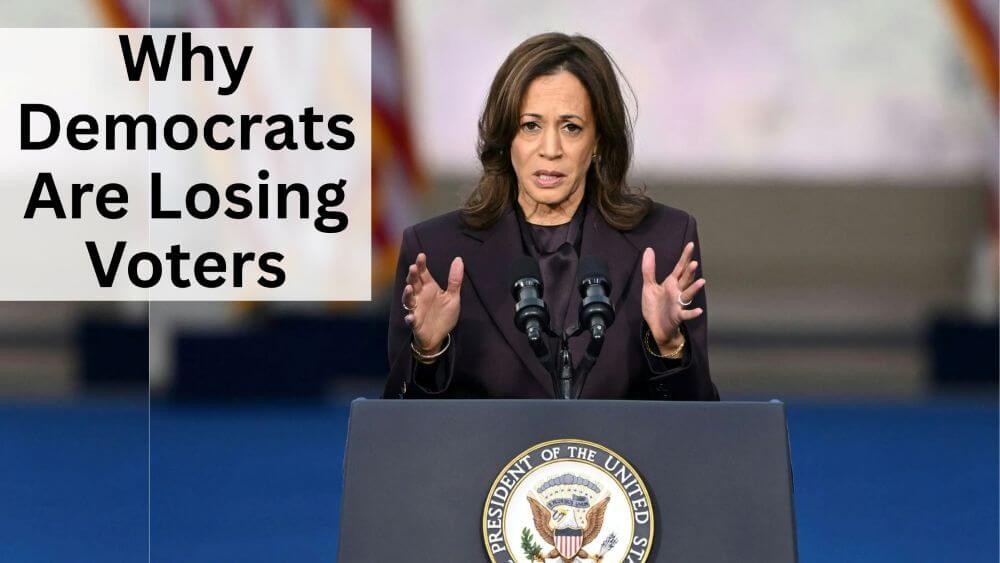
In the world of politics, the phrase “picking your battles” matters more than ever. But lately, the Democratic Party seems determined to pick all the wrong ones—alienating voters by planting its flag on divisive cultural issues that resonate with only a narrow segment of the population.
Conservative strategist and CNN commentator Scott Jennings recently summarized the problem: “When the hills you’re willing to die on are boys in girls’ sports, taxpayer-funded transgender surgeries for prison inmates, and preventing the deportation of violent criminals, you shouldn’t be surprised when your approval ratings crater.” Harsh words, but hard to ignore.
Recent polls underscore the issue. According to the Wall Street Journal, Democrats are limping along with just 33% favorability. Jennings argues that this is the inevitable result of Democrats dying on “80/20 issues”—those where 80% of Americans disagree with the party’s stance.
Let’s be clear: transgender rights, humane prison policies, and immigration justice are real issues that deserve thoughtful debate. But when these causes dominate the national conversation—when they become the face of a political party—it creates a disconnect with average voters. Most Americans are far more concerned about inflation, economic security, education, and crime than they are about gender policies in youth sports or taxpayer-funded surgeries for inmates.
And that’s where Democrats are losing the plot.
Cultural Radicalism Over Kitchen Table Issues
Cultural radicalism may win retweets and applause in elite circles, but it doesn’t pay the rent. For many independent and moderate voters, the question is simple: If I can’t trust you to keep biological males out of my daughter’s locker room, why would I trust you with tax policy or healthcare reform?
Meanwhile, despite Donald Trump’s ongoing controversies and baggage, the Republican Party continues to poll better on inflation, border control, and public safety. These are the kitchen table issues that swing elections. Democrats may win applause from activist circles, but they’re losing the very voters they need to stay in power.
The Democrats’ Brand Problem
This isn’t just a messaging problem; it’s a brand problem. The Democratic brand has become synonymous with elite progressivism and cultural wokeness—a brand that doesn’t play well in working-class suburbs or rural towns. The priorities feel out of step with the everyday concerns of millions of Americans.
To make matters worse, the party’s leadership often doubles down when challenged, labeling critics as intolerant or regressive. This only deepens the divide. When a party seems more interested in scoring ideological purity points than solving real problems, people tune out—and vote elsewhere.
Conclusion: A Wake-Up Call
The Democratic Party is at a crossroads. If it continues to plant its flag on cultural battlefields that alienate the majority of voters, it risks becoming a party of ideological performance rather than practical governance.
Scott Jennings’ critique may sting, but it echoes what many voters feel: Democrats are dying on hills most Americans wouldn’t even climb.
Until the party realigns its priorities with the real-world concerns of everyday people, expect more political fallout—and more lost elections.
Previous Politics posts