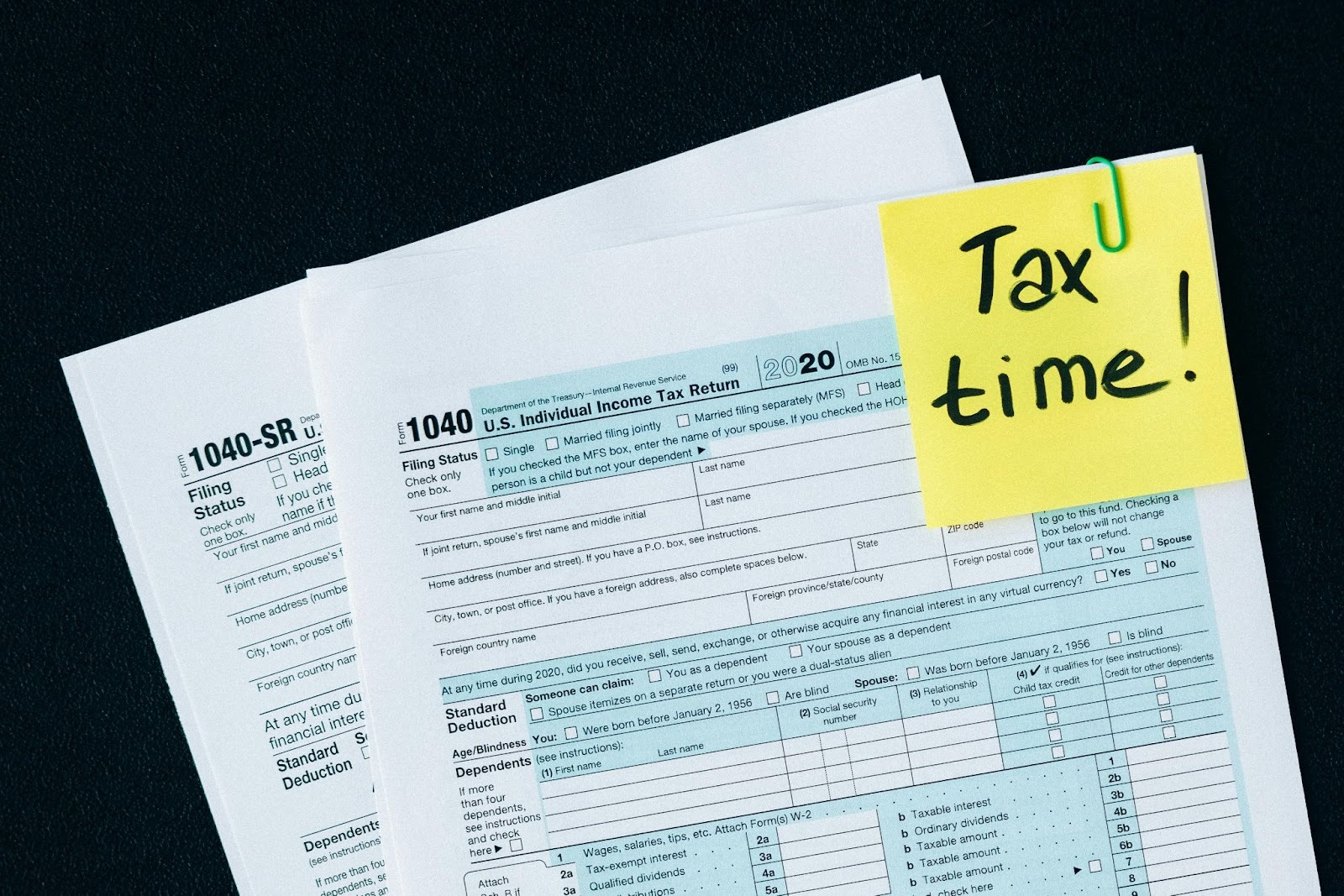
Tax laws can be complicated for anyone. Whether you’re filing for your business or individually, it can be really easy to make mistakes and get yourself into trouble with the IRS.
In fact, Credit Karma found in a recent survey that a quarter of Americans say that idling incorrect Reuters is a huge worry, while a report published on finder.com found that there are roughly 41 million fraudulent returns filed each year.
As a business owner, raising your business with incorrect taxes is a gamble you shouldn’t be taking; however, mistakes are easily made, which will land you in hot water.
Let’s take a look.
Misreporting Income from Multiple Sources
Misreporting income is one of the most common issues when filing tax returns. Especially if you’re a freelancer or you have more than one business or income source, i.,e. your company and a rental income from property.
And this issue here is how things are tracked and reported on your end before you even collate details for filing. And while it’s not always intentional, it will be flagged automatically, and this will trigger a follow-up because mismatches in income reporting aren’t overlooked. You’ll need to explain, correct, and provide documentation to prove the figures are correct.
It’s easy to fix. You simply need a cohesive income reporting system to track all of our income in one place so nothing is issued or duplicated.
Claiming Deductions Without Proper Records
Deductions reduce how much of your income you need to pay tax on. But this only works if you can prove what your expenses are and what you’re paying for each year.
This means you need detailed records and receipts of transactions clearly showing what you’ve been paying for.
But also, you need to know what qualifies as a reasonable expense. Travel, equipment,t and home office use are all valid deductions but only under specific conditions. And if you end up estimating figures or including something you shouldn’t be claiming for, or you’re asked for a roof, you’re going to be in hot water.
The only way around this is to know exactly what you are allowed to claim for and to keep all receipts, invoices, and bank records together to prove eligibility for deductions and that you’ve correctly calculated them.
Ignoring Early IRS Demands or Payment Demands
When you get a warning from the IRS, they’ll outline what has been flagged on their end. It could be a missing income, a balance due, or a discrepancy, and these early notices give you a chance to respond or correct before anything escalates.
Ignoring these demands is where problems arise. Each letter you receive represents a stage in the process the IRS follows to clear up mistakes, launch investigations, or get any money owed paid. You’ll get more reminders, then formal notices, and eventually enforcement action if nothing is resolved.
Ideally, you’ll want to be working with the IRS from the very first letter to avoid escaping and deliver the details they request. If this escalates, then you need to find resources that can help you, like experts in IRS tax resolution who can assess your situation and help you with your next step.