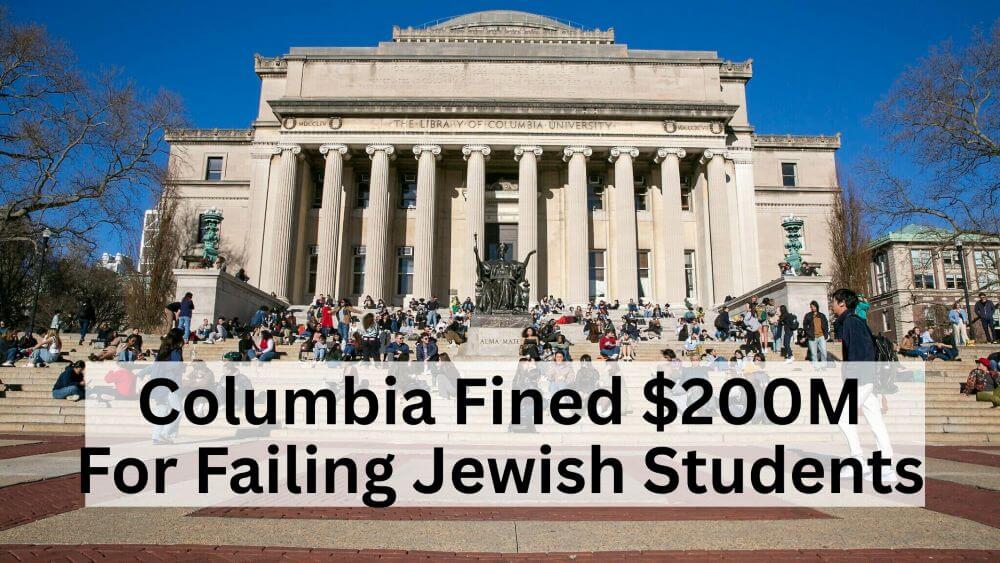
Columbia University will pay a $200 million fine for allowing antisemitism on campus and for using race-based admissions practices.
Chaos on Campus: Protests and Inaction
Let’s rewind to the chaos at Columbia, where pro-Palestine protests spiraled out of control. Vandalism, harassment of Jewish students—it was a mess, and the university’s response? A big fat nothing. It was almost as if they were complicit, letting the unrest fester while Jewish students felt unsafe. But justice has a way of catching up, and Columbia’s now paying the price—literally—to make things right.
The Settlement: Money, Monitoring, and Major Changes
The big news? Columbia’s agreed to a $200 million fine to settle federal investigations into their failure to protect Jewish students from harassment. This is part of a massive deal struck on Wednesday to restore the university’s federal research funding—hundreds of millions of dollars that keep their research engine humming. But this isn’t just about money; it’s about accountability and a renewed commitment to fairness.
Restoring Meritocracy: Goodbye DEI, Hello Transparency
Here’s the juicy part: Columbia’s pledging to ditch race-based admissions and hiring practices (goodbye, DEI dogma!) and to clamp down on antisemitism and campus unrest. They’re bringing in an independent monitor to keep them honest, reporting to the feds every six months. Plus, they’re coughing up $21 million to settle Equal Employment Opportunity Commission investigations. This isn’t a slap on the wrist—it’s a seismic shift, as Education Secretary Linda McMahon put it, in holding elite universities accountable.
Why does this matter? Because it’s a victory for meritocracy and truth-seeking. Columbia’s deal is a blueprint for other universities, showing that you can’t hide behind inaction when students are being targeted. The Trump administration pushed hard, pulling $400 million in grants back in March and freezing even more, putting Columbia’s research empire on the brink. The message was clear: protect all students or face the consequences. Columbia chose to negotiate rather than fight, and I say that’s the smart move. They’re getting most of their funding back—about $1.3 billion annually was at stake—and can compete for new grants, but only by committing to real change.
No More Loopholes: Foreign Funding and Immigration Reporting
This deal isn’t just about dollars; it’s about restoring trust. Columbia’s promised to beef up campus safety with three dozen new public safety officers who can make arrests, keep a tight leash on protests, and appoint a senior vice provost to oversee departments like Middle Eastern studies. They’re also doubling down on transparency, reporting arrested international students to Homeland Security and ensuring no shady foreign funding slips through. And yes, they’re sticking to court rulings banning affirmative action, with admissions data under the monitor’s microscope to prove it.
Claire Shipman, Columbia’s acting president, nailed it when she said this settlement protects the university’s values while getting their research partnership with the feds back on track. It’s a tough deal, but it preserves Columbia’s academic independence—no government meddling in who they hire, admit, or what they teach. That’s a win for keeping universities as places of free thought and merit.
Not everyone’s cheering, of course. Some, like Professor Michael Thaddeus, worry about the monitor poking into academic affairs. Fair enough—vigilance is key. But Brian Cohen from Hillel hit the nail on the head: this deal acknowledges the real pain Jewish students have faced and sets the stage for lasting change. That’s what I’m all about—creating spaces where everyone can thrive based on their merits, not their identity.
Columbia’s deal is a beacon of hope, a signal that elite institutions can’t dodge accountability forever. It’s a step toward campuses where ideas win, not ideologies, and where every student feels safe. Let’s keep pushing for that world, one victory at a time.
What do you think? Drop your thoughts below, and let’s keep the conversation going!
Previous opinion posts