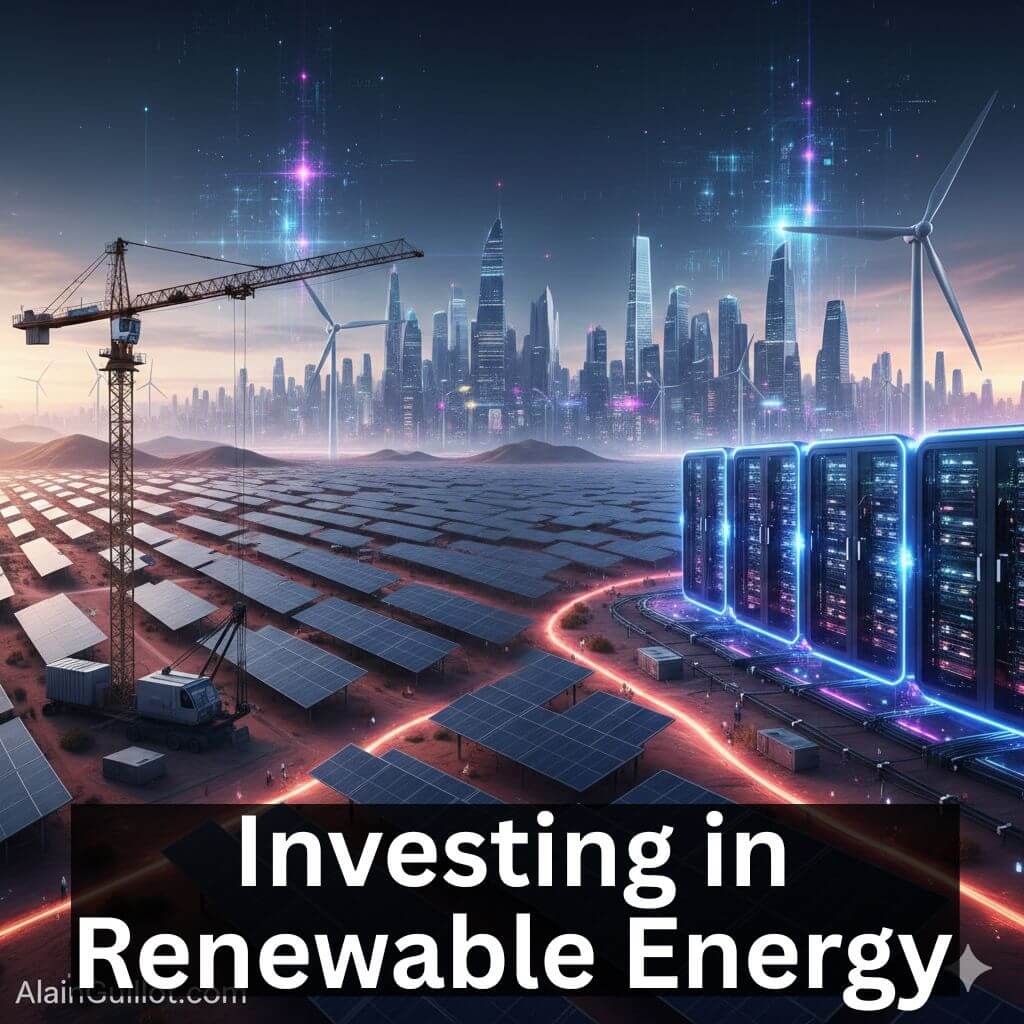
China’s astronomical advances in renewable energy are not just about environmental leadership; they represent a fundamental shift in global power dynamics. While the world often focuses on the immediate climate benefits, the true implications are far more profound, touching upon technological dominance, economic independence, and future industrial capacity. The sheer speed and scale of China’s energy build-out are staggering, demanding immediate attention from nations like the U.S. and Canada.
The Unprecedented Scale of China’s Renewable Energy Expansion
Last year alone, China added an astounding 350 TWh of solar power – a figure exceeding the entire annual electricity consumption of the United Kingdom. This wasn’t an isolated effort; they also integrated an additional 130 TWh of wind power. To put this into perspective, America’s commendable 80 TWh solar addition pales in comparison to China’s quadrupled output. This aggressive expansion isn’t just about solar and wind; China is building out its entire energy infrastructure simultaneously, encompassing nuclear, hydro, and even natural gas, while strategically decreasing coal consumption.
Consider the pace: China added 500 TWh of total new capacity in a single year, an amount equivalent to Japan’s entire electrical grid. At this rate, China is projected to have twice America’s electrical capacity by 2030 and three times by 2035. This isn’t merely an energy race; it’s a foundational struggle for the future of technology and global influence.
Why China’s Renewable Energy Drive Matters Beyond Climate
The strategic rationale behind China’s massive investment in renewable energy extends far beyond environmental virtue. It’s about securing the fundamental input for the next generation of technological advancement: raw electrical power. As computing demands skyrocket, especially with the rapid evolution of AI, the need for abundant, cheap electricity will become paramount. By 2040, computing alone is projected to require more power than the Earth currently generates. China is proactively addressing this future problem today.
They are building the electrical infrastructure for the 22nd century without the delays of permits, environmental reviews, or protracted shareholder approvals that often plague Western projects. This approach contrasts sharply with America’s tendency to view energy as a cost to minimize, focusing on efficiency gains and demand reduction. China, conversely, treats energy as capacity to maximize, optimizing for total output and securing an unlimited supply of cheap power.
The manufacturing implications are equally significant. China’s solar panels are now so inexpensive they are practically disposable. This allows them to install solar in regions that might not be economically viable by Western standards, achieving energy independence through abundance rather than conservation. The nation that can energize the most computation will ultimately win the race for AI, robotics, automated manufacturing, and electric vehicles.
North America’s Imperative: Stepping Up Our Renewable Energy Game
The U.S. and Canada must recognize that this is an existential competitive challenge, not just an environmental one. Our current pace of energy infrastructure development is insufficient to compete with China’s trajectory. We are optimizing a 20th-century grid while they are building for 22nd-century demands.
Here are actionable strategies for the U.S. and Canada:
- Streamline Permitting and Approval Processes: Drastically reduce the time and bureaucracy involved in approving and constructing new renewable energy projects, including solar, wind, and nuclear.
- Invest in Grid Modernization and Expansion: Prioritize upgrading and expanding our transmission lines to handle increased renewable energy capacity and ensure reliability across vast distances. This is crucial for integrating new sources effectively.
- Incentivize Domestic Manufacturing: Implement policies that encourage the domestic production of solar panels, wind turbines, and battery storage solutions to reduce reliance on foreign supply chains and create jobs.
- Accelerate Nuclear Energy Development: Invest heavily in advanced nuclear technologies, including small modular reactors (SMRs), which offer reliable, carbon-free baseload power and can be deployed more rapidly.
- Foster Public-Private Partnerships: Encourage collaboration between government, private industry, and research institutions to drive innovation and accelerate deployment of renewable energy technologies.
Every gigawatt we don’t build today represents future computational capacity we won’t have and ground ceded in the race for technological leadership.
Investment Opportunities in Renewable Energy
For individual investors looking to capitalize on the accelerating shift towards renewable energy, several avenues offer potential growth.
Companies to Consider:
- First Solar (FSLR): A leading American manufacturer of thin-film solar modules, focusing on utility-scale projects.
- Brookfield Renewable Partners (BEP): A diversified renewable power generation company with a global portfolio of hydroelectric, wind, solar, and storage facilities.
- NextEra Energy (NEE): One of the largest electric utilities in North America and a major developer of wind and solar energy projects.
ETFs for Diversified Exposure:
- iShares Global Clean Energy ETF (ICLN): Provides exposure to a broad range of global clean energy companies.
- Invesco Solar ETF (TAN): Focuses specifically on companies in the solar energy industry.
- VanEck Uranium+Nuclear Energy ETF (NLR): For those interested in the growing nuclear energy sector.
These investments offer a way to participate in the growth of renewable energy while supporting the transition to a more energy-abundant future.
Summary
China’s aggressive push into renewable energy is a strategic move to secure its technological future, guaranteeing abundant, cheap power for the AI age. This isn’t merely an environmental initiative but a race for global dominance. The U.S. and Canada must adopt a similar sense of urgency, streamlining processes, investing in infrastructure, and fostering innovation to build out our own renewable energy capacity at an unprecedented scale. Failure to do so risks ceding future technological and economic leadership.
FAQ
Q1: Is China’s renewable energy expansion solely for environmental reasons? A1: While environmental benefits are a positive outcome, the primary driver appears to be strategic: securing vast, cheap electrical capacity to power future technological advancements like AI and advanced manufacturing.
Q2: How does China’s approach to energy differ from North America’s? A2: China treats energy as capacity to maximize, building aggressively and rapidly. North America often treats energy as a cost to minimize, focusing more on efficiency and demand reduction, and facing slower development due to regulatory hurdles.
Q3: What are the biggest risks for North America if it doesn’t accelerate its renewable energy development? A3: The biggest risks include falling behind in the global AI race, losing competitive advantage in high-tech manufacturing, and facing higher energy costs and potential rationing in the future compared to nations with abundant, cheap power.
Q4: What types of investments are available for individual investors in this sector? A4: Individual investors can consider investing in specific renewable energy companies (e.g., First Solar, Brookfield Renewable Partners) or diversified ETFs focused on clean energy or solar (e.g., ICLN, TAN, NLR).
Previous stock market posts