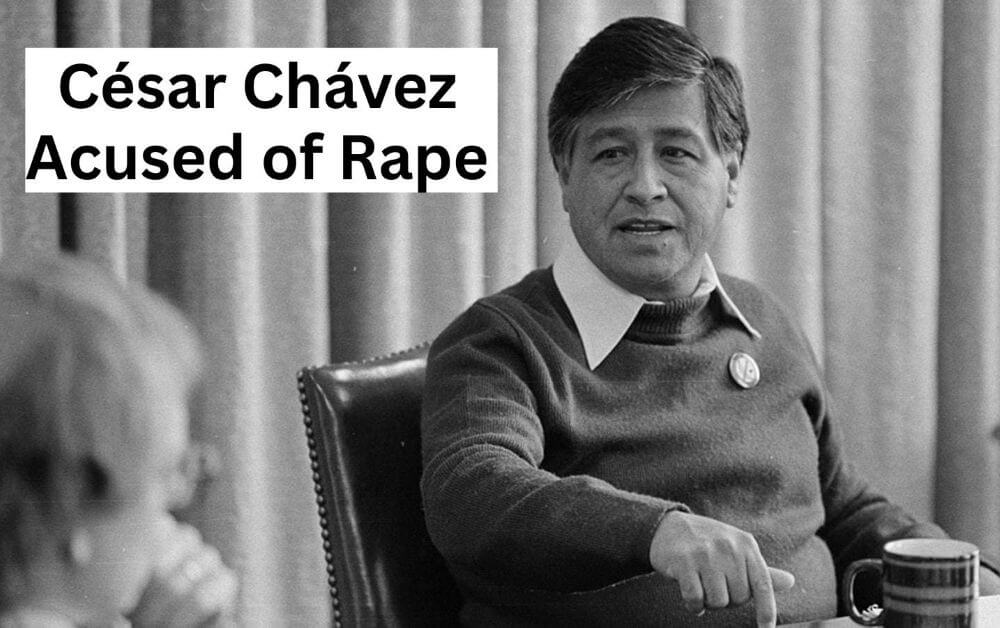
The legacy of the American labor movement changed forever on March 18, 2026. While history books have long painted a saintly picture, a recent and devastating investigation has forced a global César Chávez reckoning. New revelations from The New York Times have exposed a pattern of systemic abuse, grooming, and sexual violence that contradicts the image of the “civil rights hero” we thought we knew.
The Shocking Allegations of Sexual Violence
For decades, the United Farm Workers (UFW) co-founder was the face of non-violent resistance. However, the private reality was far more sinister. The investigation detailed how Chávez allegedly used his position of absolute power to exploit vulnerable women and children within the movement.
Perhaps the most crushing testimony came from Dolores Huerta. At 95 years old, the iconic activist revealed that Chávez pressured her into sexual encounters and raped her in 1966. These incidents reportedly led to pregnancies, with the children being raised by other families to protect the “sanctity” of the movement.
A Pattern of Grooming and Abuse
The report did not stop with Huerta. It uncovered a disturbing history of child sexual abuse:
- Ana Murguia alleged that grooming began when she was only 8 years old, leading to an assault in Chávez’s office at age 13.
- Debra Rojas detailed being raped at age 15 after years of inappropriate contact.
- Victims stated they remained silent for decades, fearing that speaking out would tarnish the Latino civil rights cause and destroy the UFW’s progress.
The “America First” Immigration Stance
Beyond the personal atrocities, many are rediscovering Chávez’s controversial political stances. While modern activists often associate him with pro-migrant causes, the historical reality is that he was a staunch opponent of undocumented immigration.
Chávez viewed undocumented Mexican workers as “strikebreakers” who displaced legal residents. He famously used the slur “wetbacks” to describe those crossing the border illegally. His “Illegals Campaign” even involved reporting undocumented workers to federal authorities to protect the wages of American citizens of Mexican descent.
This “America First” approach to labor suggests that the César Chávez reckoning involves not just his personal character, but a fundamental misunderstanding of his nationalist ideology.
Erasing the Name: Landmarks and Legacies
The fallout from these revelations has been immediate and absolute. The community is no longer asking if the image was erroneous—they are asking how to remove it from public view.
- Event Cancellations: The UFW officially canceled its annual March 31 celebration, calling the allegations “indefensible.”
- Renaming Schools and Streets: From San Diego to Phoenix, libraries and schools bearing his name are undergoing emergency board meetings to discuss name changes.
- Holiday Status: Multiple states are moving to strike “César Chávez Day” from their official calendars.
Summary: A Movement Larger Than One Man
The César Chávez reckoning proves that no leader is above scrutiny. While the farmworker movement achieved significant gains for labor rights, those victories were built on the backs of silenced victims. We must separate the progress of the workers from the predatory actions of the man who led them.
FAQ: Understanding the César Chávez Revelations
What were the main allegations against César Chávez? The 2026 investigation revealed multiple accounts of rape, sexual assault, and the grooming of minors, including allegations from co-founder Dolores Huerta.
Did César Chávez support undocumented immigrants? No. Historically, Chávez was a vocal opponent of undocumented immigration, believing it lowered wages for legal workers. He often cooperated with authorities to deport undocumented laborers.
Will César Chávez Day be renamed? Many cities and organizations have already canceled celebrations and are in the process of renaming landmarks and holidays previously dedicated to him.
Leave a Reply